ICE turns warehouses into camps with dire conditions exposed
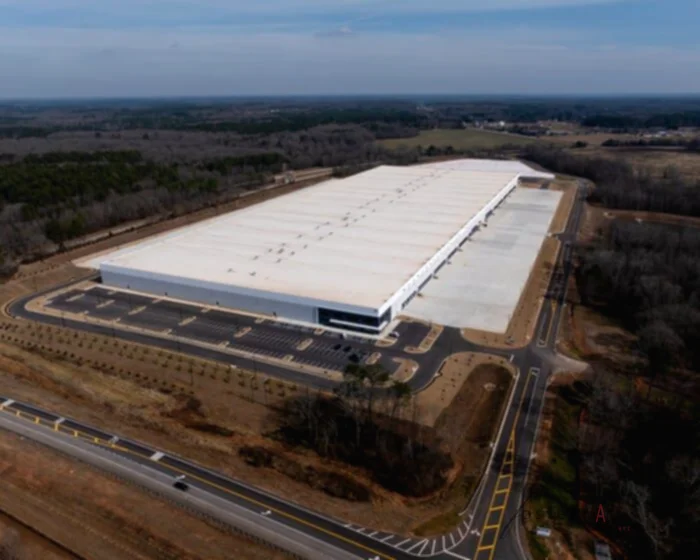
In a controversial move that has drawn widespread attention and criticism, Immigrations and Customs Enforcement (ICE) is turning warehouses into camps to house detainees. This transformation comes amidst rising concerns over the conditions within these facilities and the broader implications for U.S. immigration policy. The practice of converting large, often unused industrial spaces into makeshift detention centers is raising alarms among human rights organizations, legal representatives, and community activists across the nation.
The Rise of Warehouse Camps
The United States has long grappled with complex immigration challenges, and ICE has been at the forefront of enforcement. However, the agency’s recent strategy of turning warehouses into camps has sparked a new wave of scrutiny and debate. These facilities, initially designed for storage and industrial purposes, are now being repurposed to detain individuals who are either awaiting deportation or the outcome of their immigration proceedings.
The decision to use warehouses is partly driven by the growing number of detainees and the lack of adequate space in traditional detention centers. As immigration enforcement continues to be a contentious issue, ICE has been under pressure to manage increased detention needs without significant new construction. While the agency views these warehouses as a practical solution, critics argue that the conditions within them are far from suitable for human habitation.
The Reality Inside
Reports from various sources have painted a grim picture of life inside these converted warehouse camps. Detainees and their advocates describe environments that are overcrowded, lacking in basic amenities, and fraught with health risks. Many of these facilities are not equipped with proper heating, cooling, or ventilation systems, which are essential for maintaining humane conditions.
Furthermore, there have been instances of inadequate access to medical care, with detainees reportedly waiting days or even weeks for necessary treatment. These conditions have sparked concerns about the health and safety of those held within these walls, particularly during the ongoing challenges posed by the COVID-19 pandemic.
Human Rights Concerns
The transformation of warehouses into detention camps has not gone unnoticed by human rights organizations. Groups like Amnesty International and Human Rights Watch have voiced strong opposition, arguing that the conditions violate both domestic and international standards for the treatment of detainees. They have called for increased transparency and oversight to ensure that human rights are upheld within these facilities.
Legal experts also highlight the potential for rights violations, noting that the harsh conditions could infringe upon detainees’ rights to due process and humane treatment. The lack of access to legal resources and family visits further exacerbates these concerns, leaving many detainees feeling isolated and vulnerable.
ICE Turning Warehouses into Camps: A Local Perspective
The impact of ICE turning warehouses into camps is felt acutely in local communities where these facilities are located. Residents often express unease about the presence of such camps in their neighborhoods, citing concerns about safety and the potential for increased tension. Community leaders are calling for more open dialogue and engagement with ICE to address these issues and find more sustainable solutions.
In some cases, local governments have also stepped in, either to support or to resist the establishment of these camps. The response varies widely depending on political leanings and community sentiment, with some city councils passing resolutions to limit cooperation with ICE, while others emphasize the need for enhanced security measures.
The Legal Battle
The legal landscape surrounding ICE’s use of warehouses as detention camps is complex and evolving. Several lawsuits have been filed challenging the legality and conditions of these facilities. Plaintiffs argue that ICE is violating the rights of detainees by holding them in spaces that are not suitable for long-term habitation.
These legal challenges could potentially reshape the way ICE operates these camps, with courts weighing in on the standards that must be met for detainee treatment. The outcomes of these cases may set important precedents for future detention practices and influence broader immigration policy debates.
ICE Turning Warehouses into Camps: The Road Ahead
As ICE continues to turn warehouses into camps, there is significant debate over the future of this practice. Lawmakers at the federal level are divided on how to address the underlying issues driving the need for increased detention capacity. While some advocate for more humane immigration policies that reduce the reliance on detention, others argue for stricter enforcement measures.
This ongoing debate is likely to shape the legislative agenda in the coming months and years, as policymakers grapple with finding a balance between enforcement and compassion. The issue of warehouse camps highlights the broader challenges facing the U.S. immigration system and underscores the need for comprehensive reform.
Community and Activist Response
Activists and community groups are mobilizing to bring attention to the plight of detainees in these warehouse camps. Through protests, awareness campaigns, and lobbying efforts, they aim to pressure both ICE and lawmakers to reconsider the use of such facilities. These groups emphasize the importance of treating all individuals with dignity and respect, regardless of their immigration status.
Moreover, there is a growing call for the government to explore alternative detention methods that better align with human rights standards. Advocates suggest options such as community-based monitoring and support programs that would allow individuals to reside in less restrictive environments while awaiting legal proceedings.
Broader Implications
The practice of turning warehouses into camps is a microcosm of the larger challenges facing U.S. immigration policy. It raises fundamental questions about how the country balances its need for security with its commitment to human rights. As these issues continue to unfold, the eyes of the nation and the world remain fixed on the United States’ response to what has become one of the most pressing social issues of our time.
The situation’s complexity underscores the need for thoughtful, comprehensive solutions that go beyond mere enforcement. As debates continue and policies evolve, the story of ICE turning warehouses into camps serves as a stark reminder of the human impact of immigration policy decisions.