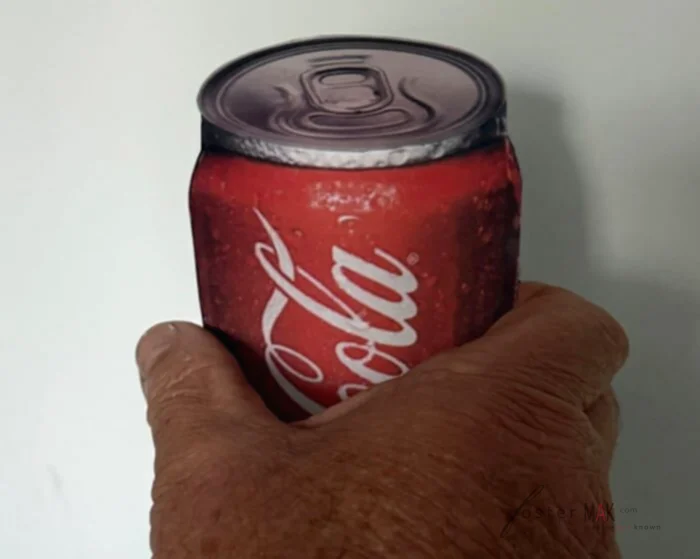
Discover Mind-Bending Optical Illusions That Baffle Everyone
Optical illusions have long fascinated and confused people, capturing the imagination of everyone from casual observers to scientists. These illusions play tricks on the eyes and brain, creating images that appear to be something other than what they truly are. From simple line drawings to complex visual puzzles, optical illusions challenge our perception and highlight the intricacies of human vision.
The Science Behind Optical Illusions
Understanding the science behind optical illusions is the first step in appreciating their complexity. Optical illusions occur when the information gathered by the eye conflicts with how the brain processes that information. Our brains attempt to interpret the visual cues they receive, sometimes leading to misinterpretations. This can happen due to various factors such as lighting, perspective, color contrast, and the context in which the visual information is presented.
One of the key elements that contribute to optical illusions is the way our brain processes visual information. The human brain is adept at recognizing patterns and filling in gaps. However, this strength can also lead to errors in perception. Optical illusions take advantage of these tendencies, making us see things that are not present or misinterpret what is visible.
Famous Optical Illusions That Play Tricks on Your Mind
Many optical illusions have gained fame due to their ability to confuse and intrigue viewers. One of the most well-known illusions is the ‘Rubin’s Vase’. At first glance, it appears to be a simple vase. However, upon closer inspection, the outline of two faces can be seen in the negative space on either side of the vase. This illusion demonstrates the concept of figure-ground perception, where the brain alternates between seeing the vase and the faces.
Another classic example is the ‘Checker Shadow Illusion’ created by Edward Adelson. In this illusion, a checkerboard with a shadow cast upon it appears to have different shades of grey. However, two squares that seem to be different shades are actually the same color. This illusion highlights the brain’s reliance on context and lighting to perceive color accurately.
Optical Illusions in Art and Culture
Optical illusions have not only intrigued scientists but have also found their place in art and culture. Artists have utilized these visual phenomena to create works that engage viewers on multiple levels. The works of M.C. Escher, for instance, are famous for their mind-bending visuals that play with perspective and geometry. His artwork often features impossible objects and spaces that challenge the viewer’s understanding of reality.
In popular culture, optical illusions have become a part of viral trends and social media challenges. The infamous ‘dress’ that appeared to be either blue and black or white and gold is a recent example of how optical illusions can capture public attention. This particular illusion sparked debates and discussions about color perception and how individuals can see the same image differently.
The Role of Optical Illusions in Research
Optical illusions are not just entertaining; they also serve a significant role in scientific research. Psychologists and neuroscientists study these illusions to gain insights into human perception and cognitive processes. By examining how and why we perceive illusions, researchers can better understand the mechanisms of the brain and vision.
Research into optical illusions also has practical applications. For instance, understanding how illusions work can improve visual technologies such as virtual reality and computer graphics. Insights gained from studying optical illusions can also aid in designing more effective visual displays and interfaces that align with human perception.
Optical Illusions in Everyday Life
While optical illusions are often encountered in controlled settings, they also appear in everyday life. Road markings, for example, are designed to create the illusion of narrower lanes to encourage drivers to slow down. Similarly, artists and designers use illusions in architecture and urban planning to enhance the aesthetic appeal of spaces.
In advertising, optical illusions are employed to grab the attention of consumers and convey messages in creative ways. Advertisers use visual tricks to create memorable images that stand out in the crowded media landscape. These illusions can range from subtle plays on perspective to more overt visual puzzles that require the audience to engage actively.
The Future of Optical Illusions
As technology continues to advance, the potential for creating and studying optical illusions grows. The development of augmented reality and virtual reality technologies provides new platforms for exploring these visual phenomena. Artists and designers are now equipped with digital tools that allow them to push the boundaries of what is possible with optical illusions.
Furthermore, the study of optical illusions remains a vital area of research in cognitive science and psychology. As researchers uncover more about how the brain interprets visual information, new illusions are likely to be discovered, offering fresh opportunities for exploration and understanding.
How Optical Illusions Challenge Our Perception
Optical illusions provide a window into the complexities of human perception, challenging our assumptions and highlighting the brain’s remarkable capabilities. By examining these visual phenomena, we gain a deeper understanding of how we interact with the world around us. Whether in art, science, or everyday life, optical illusions continue to captivate and baffle us, reminding us of the intricate workings of the mind and the endless possibilities of human creativity.