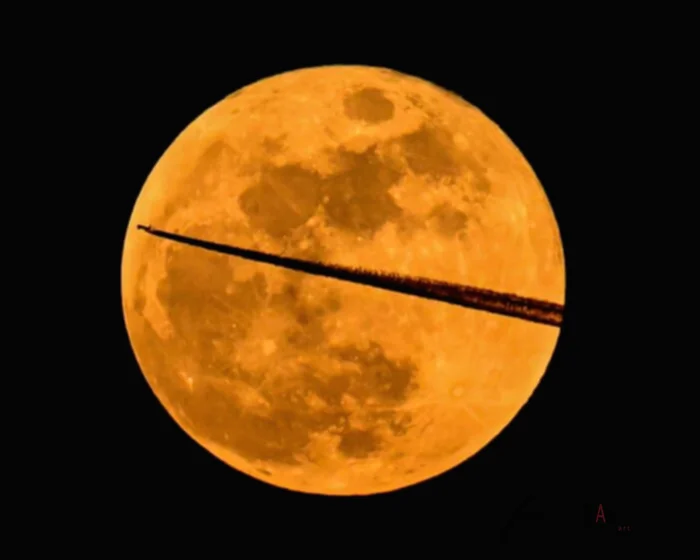
Captivating Photos of the Blood Moon Total Lunar Eclipse
In a celestial event that has captivated stargazers and photographers alike, the recent blood moon total lunar eclipse offered a spectacular display across the night sky. This rare astronomical occurrence, which happens when the Earth comes directly between the sun and the moon, casting a shadow that gives the moon a reddish hue, has sparked widespread interest and awe. As millions around the world turned their gaze upwards, the event became a global phenomenon, drawing enthusiasts from all corners of the globe to witness the mesmerizing transformation.
A Night to Remember: The Blood Moon Total Lunar Eclipse
The blood moon total lunar eclipse, which took place on the night of May 15-16, 2023, was a visual spectacle that drew crowds from various locations. As the Earth’s shadow began to move across the moon, a unique and eerie transformation unfolded in the sky. This eclipse was not just a treat for astronomers and photographers but also for anyone with a curiosity about the wonders of the universe.
While total lunar eclipses occur approximately every two and a half years, a blood moon, with its distinctive reddish tint, is a less frequent occurrence. The red color is the result of the Earth’s atmosphere filtering sunlight and scattering the shorter blue wavelengths while allowing the longer red wavelengths to pass through. This process, known as Rayleigh scattering, is the same phenomenon that causes sunsets and sunrises to appear red or orange.
Capturing the Celestial Drama
Photographers and amateur astronomers alike took to social media platforms to share stunning images of the blood moon total lunar eclipse. From rural landscapes to urban skylines, the photos captured the various stages of the eclipse, highlighting the dramatic shift in colors and shadows. In many parts of the world, clear skies provided the perfect backdrop for capturing the event in all its glory.
In places like the United States, South America, and parts of Europe and Africa, the blood moon was visible during the early hours, providing a perfect opportunity for night-time photography. Some photographers employed telescopic lenses to get close-up shots of the moon’s surface, while others used wide-angle lenses to capture the moon against breathtaking natural and urban landscapes. The results were nothing short of spectacular.
The Global Phenomenon
The blood moon total lunar eclipse was visible across large swathes of the globe, with people in different time zones experiencing the event at different times. In the Americas, the eclipse was visible during the evening and nighttime hours, while in parts of Europe and Africa, observers had to stay up until the early morning hours to witness the spectacle.
In Asia and Australia, the eclipse was partially visible, with the moon setting before it reached its full red hue in some regions. Despite the geographical differences, the shared experience of watching the eclipse brought people together, fostering a sense of global community and wonder.
Scientific Significance and Cultural Impact
Lunar eclipses have long held scientific and cultural significance. For astronomers, these events provide an opportunity to study the Earth’s atmosphere and the dynamics of celestial bodies. The blood moon total lunar eclipse, in particular, offers valuable data on how light behaves as it passes through the Earth’s atmosphere, which can inform studies on climate change and atmospheric conditions.
Culturally, lunar eclipses have been viewed as omens or portents in various societies throughout history. In ancient times, they were often associated with myths and legends, symbolizing everything from divine intervention to impending doom. Today, while many cultures still hold traditional beliefs about eclipses, the events are more commonly seen as opportunities for celebration and reflection.
A Closer Look at the Blood Moon
The term
blood moon
itself is steeped in cultural and historical context. While the scientific explanation for the reddish color is well understood, the phrase evokes imagery and emotions that transcend scientific discourse. For many, witnessing a blood moon total lunar eclipse is a deeply personal experience, one that connects them to the rhythms of the natural world and the mysteries of the cosmos.
In addition to its aesthetic appeal, the blood moon offers a chance for education and engagement. Many observatories and educational institutions organize special events and viewing parties to coincide with lunar eclipses, providing the public with opportunities to learn more about astronomy and the science behind these captivating events.
Looking Forward to Future Eclipses
While the recent blood moon total lunar eclipse has now passed, it has left a lasting impression on those who witnessed it. For enthusiasts and newcomers alike, the event has sparked a renewed interest in astronomy and a desire to learn more about the wonders of our universe.
As technology continues to advance, the ability to capture and share stunning images of celestial events is becoming increasingly accessible. This democratization of astronomy allows more people than ever to engage with and appreciate the beauty and complexity of the night sky.
With more eclipses on the horizon, the anticipation for the next celestial show is already building. Whether viewed through a telescope, a camera lens, or simply with the naked eye, the experience of witnessing a blood moon total lunar eclipse is one that resonates deeply, reminding us of the vastness and interconnectedness of the universe we call home.