
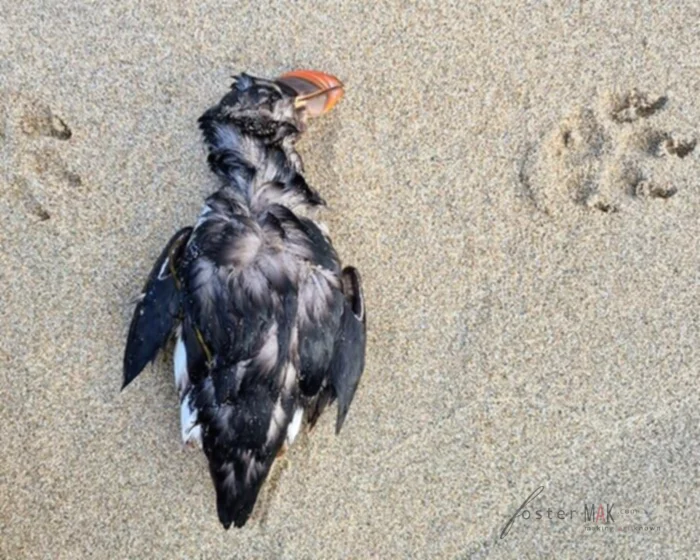
Starving Seabirds Stranded in Decades Worst Wreck Crisis
In an alarming sign of environmental distress, thousands of seabirds have been found emaciated and stranded along coastlines in what experts are calling the worst wreck crisis in decades. This phenomenon, known as a
wreck,
has left communities and researchers scrambling to address the plight of these starving seabirds stranded in a dire situation. The event has raised urgent questions about the health of marine ecosystems and the broader implications of climate change on wildlife.
Unprecedented Numbers of Stranded Birds
The scale of this year’s wreck is unprecedented. Coastal regions from the North Atlantic to the Pacific have reported unusually high numbers of seabirds washed ashore. These birds, primarily puffins, guillemots, and shearwaters, are typically found thriving in open waters. However, the current situation has seen them arriving onshore in a weakened state, many unable to fly or forage.
Local wildlife organizations have been inundated with calls from concerned residents finding these birds along beaches and coastal paths. Many of the birds are suffering from severe malnutrition, with their ribs and sternum visible beneath thinning feathers. Volunteers and wildlife rescue teams have mobilized efforts to collect and rehabilitate as many birds as possible. However, the sheer volume of affected animals has stretched resources to their limits.
Starving Seabirds Stranded Wreck: The Underlying Causes
Scientists are working to understand the complex factors behind this mass wreck of seabirds. While natural cycles can sometimes lead to food shortages, the current scale and geographic spread suggest a more systemic issue. One primary suspect is the warming ocean temperatures, which have disrupted traditional fish populations that seabirds rely on for food.
Fish species such as sardines and anchovies have been migrating to cooler waters, further away from their usual habitats. As a result, seabirds are forced to travel greater distances to find sustenance, with many failing to return. The warming waters have also contributed to algal blooms which can produce toxins harmful to birds and fish alike.
In addition to climate-related factors, overfishing has compounded the problem. The depletion of fish stocks in critical feeding areas has left seabirds competing with commercial fisheries for dwindling resources. This competition has intensified the struggle for survival, with seabirds being the unintended victims.
Community Response and Rescue Efforts
In response to the crisis, local communities have rallied to support rescue and rehabilitation efforts. Volunteers are patrolling beaches to identify and rescue stranded birds. Wildlife rehabilitation centers have been set up to provide medical care, nourishment, and shelter to aid in the birds’ recovery.
Education and outreach programs have been initiated to inform the public about the crisis and the importance of reporting stranded birds. These efforts aim to increase awareness and engagement, ensuring that as many birds as possible receive the help they need.
Despite the best efforts of volunteers and wildlife organizations, many birds are not surviving long enough to be rescued. The mortality rate among the stranded seabirds is alarmingly high, highlighting the need for more comprehensive strategies to address the root causes of the wreck.
Starving Seabirds Stranded Wreck: A Call for Action
Conservationists and environmental groups are using this crisis as a rallying cry for more robust conservation measures. There is an urgent call for international cooperation to address the factors contributing to the wreck. This includes stricter regulations on commercial fishing to prevent overexploitation of fish stocks and greater investment in marine conservation efforts.
Researchers are advocating for increased monitoring of ocean temperatures and fish populations to better predict and mitigate future wreck events. Collaborative efforts between governments, scientists, and conservation organizations are seen as crucial to developing long-term solutions.
The crisis has also sparked a broader discussion about the impacts of climate change on marine ecosystems. The plight of the starving seabirds serves as a stark reminder of the interconnectedness of environmental systems and the cascading effects of climate disruptions.
The Role of Policy and Legislation
Policymakers are being urged to take immediate action to prevent further ecological disasters. There is a growing consensus that stronger environmental policies are needed to protect marine life and ensure sustainable fishing practices. Proposed measures include expanding marine protected areas and enforcing stricter catch limits.
International agreements, such as the Paris Climate Accord, are being cited as frameworks for addressing the broader issue of climate change. By reducing greenhouse gas emissions and promoting renewable energy, countries can help mitigate the warming of ocean temperatures which is directly affecting marine biodiversity.
Starving Seabirds Stranded Wreck: The Path Forward
The current wreck crisis has galvanized a sense of urgency among environmental advocates and policymakers alike. While immediate rescue efforts are focused on saving as many birds as possible, there is a parallel push for long-term strategies to prevent similar events in the future.
Research into alternative food sources and habitat restoration is underway, with the hope of creating more resilient ecosystems. Conservationists are exploring the potential of artificial reefs and other innovations to support fish populations and provide safe havens for seabirds.
Public engagement remains a critical component of these efforts. By fostering a greater understanding of environmental issues and the importance of conservation, communities can play an active role in safeguarding marine life. Initiatives aimed at reducing plastic waste, supporting sustainable seafood choices, and advocating for environmental policies are gaining traction.
The crisis of starving seabirds stranded in this unprecedented wreck serves as a wake-up call. It underscores the need for immediate action to protect our oceans and the wildlife that depend on them. As researchers continue to investigate the underlying causes, there is hope that the lessons learned will lead to meaningful change, ensuring that future generations of seabirds can thrive in a healthier, more sustainable world.