
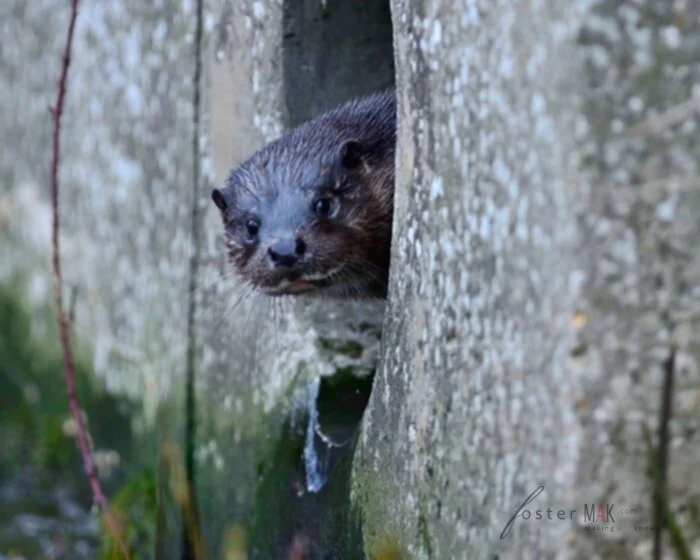
Otters’ Revival in Britain Urban Streets and Pond Adventures
The otters’ revival in Britain has been a remarkable ecological comeback story. Once on the brink of extinction due to pollution and habitat destruction, these charismatic semi-aquatic mammals are now making unexpected appearances in urban settings and thriving in restored natural habitats. The resurgence of otters is not just a testament to successful conservation efforts but also a beacon of hope for biodiversity in the United Kingdom.
A Journey from Decline to Recovery
In the mid-20th century, otters in Britain faced a grim future. Pollution, particularly from agricultural runoff and industrial waste, had decimated their populations. By the 1970s, otters were nearly extinct in many parts of the country, with sightings becoming rare and isolated. Conservationists sounded the alarm, recognizing that immediate action was needed to prevent the complete disappearance of these creatures.
Efforts to revive otter populations began in earnest in the 1980s. Environmental regulations were strengthened, limiting pollutants that had devastated otter habitats. Rivers and wetlands were targeted for restoration and protection. The introduction of cleaner agricultural practices and the banning of harmful pesticides also played significant roles in creating safer environments for otters to return.
Otters’ Revival in Britain: A Success Story
The otters’ revival in Britain has been one of the most successful conservation stories in recent decades. By the early 2000s, otter populations were beginning to recover noticeably. Conservation programs, both governmental and non-governmental, contributed to the improvement of water quality and habitat restoration across the country. These efforts were supported by a dedicated network of volunteers and wildlife enthusiasts who monitored otter populations and reported sightings.
A key aspect of the otter revival has been the creation of wildlife corridors, which allow otters to move safely between habitats. These corridors have been crucial in connecting fragmented populations, enabling genetic exchange and increasing resilience. Moreover, public awareness campaigns have educated communities about the importance of otters to ecosystems, fostering a sense of stewardship.
Urban Otters: New Neighbors in the City
In recent years, otters have been making headlines for their surprising appearances in urban areas. Cities like Birmingham and Edinburgh have reported otter sightings in canals, rivers, and even parks. Urban otters are adapting to city life with remarkable ease, navigating through human-made landscapes with agility.
The presence of otters in urban areas highlights their adaptability and resilience. However, it also underscores the importance of maintaining clean and accessible waterways even in densely populated regions. Urban planners and conservationists are now working together to ensure that cities can accommodate these unexpected visitors, implementing measures such as otter-friendly bridges and green spaces.
Pond Adventures: Otters in Rural and Suburban Areas
Beyond the urban sprawl, otters are also reclaiming their place in rural and suburban landscapes. Ponds and small lakes, once devoid of life due to pollution, are now bustling with activity. Otters are often seen frolicking in these water bodies, hunting for fish and playing on the banks.
The revival of otters in these areas is not just a delight for wildlife watchers but also an indicator of healthier ecosystems. The presence of otters signifies that the food chain is intact and that the water quality supports a diverse range of aquatic life. Local communities have embraced otters as part of their natural heritage, often creating citizen science initiatives to monitor and protect these animals.
The Role of Legislation and Public Support
The otters’ revival in Britain would not have been possible without robust legislative measures and public support. The Wildlife and Countryside Act of 1981, along with EU directives on water quality, played significant roles in protecting otters and their habitats. These laws have been crucial in curbing pollution and preserving the natural environments otters depend upon.
Public support has been equally vital. Conservation organizations have successfully engaged the public through education and outreach programs. By fostering a connection between people and wildlife, these initiatives have cultivated a culture of conservation. Volunteers across the country participate in otter surveys, habitat clean-ups, and educational workshops, contributing to the ongoing success of otter conservation.
Challenges Ahead: Ensuring Sustainability
While the revival of otters in Britain is a cause for celebration, challenges remain. Ongoing threats such as climate change, habitat fragmentation, and pollution could undermine the progress made. Climate change, in particular, poses a significant risk as it affects water levels and temperatures, which are critical to otter survival.
Conservationists emphasize the need for continued vigilance and adaptive management strategies. Protecting and expanding habitats, maintaining water quality, and ensuring connectivity between populations are essential for sustaining otter populations in the long term. Collaborative efforts between government agencies, NGOs, and local communities will be crucial in addressing these challenges.
Otters’ Revival in Britain: A Unique Ecological Milestone
The otters’ revival in Britain stands as a unique ecological milestone. It demonstrates the power of concerted conservation efforts and the resilience of nature when given a chance to recover. The return of otters has brought joy to communities and enriched Britain’s natural heritage. As these playful creatures continue to thrive, they remind us of the importance of preserving and protecting our environment for future generations.