
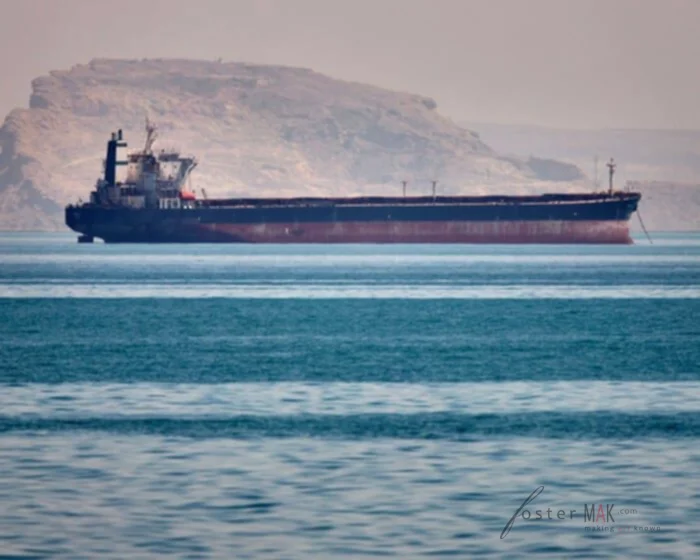
Shipping Firms Alarmed Safety in Strait of Hormuz Unresolved
The strategic waterway known as the Strait of Hormuz has become a focal point of international concern due to ongoing safety challenges. The safety in Strait of Hormuz has been a critical issue that affects global shipping and energy markets. This narrow passage, which connects the Persian Gulf with the Gulf of Oman and the Arabian Sea, is a crucial artery for the world’s oil trade. Despite its importance, the region has been plagued by security threats that have unsettled shipping firms and governments alike.
Rising Tensions and Their Impact on Shipping
The Strait of Hormuz has long been a geopolitical hotspot. In recent years, tensions have escalated due to regional conflicts and international disagreements. These tensions have manifested in various forms, including military confrontations and piracy, which have directly impacted shipping operations. The presence of military vessels from different nations in the region has sometimes led to confrontations, increasing the risk for commercial shipping.
Shipping firms have expressed alarm over the safety of their vessels and crews. The cost of insuring ships traveling through the strait has surged due to the perceived risks. The insurance premiums reflect the heightened danger of navigating these waters, further adding to the operational costs borne by shipping companies. Additionally, some firms have considered rerouting their ships to avoid the strait altogether, though this option is not viable for many due to the longer distances and increased fuel consumption involved.
Safety in Strait of Hormuz a Pervasive Concern
The safety in Strait of Hormuz is not merely a regional issue but a global one. With approximately 20 percent of the world’s petroleum passing through this narrow waterway, any disruption can have far-reaching effects on global energy supplies and prices. The region’s instability has prompted calls for increased international collaboration to ensure the security and free passage of vessels.
The International Maritime Organization has been actively involved in addressing the safety concerns in the Strait of Hormuz. It has urged member states to enhance cooperation and communication to prevent incidents that could lead to broader conflicts. The organization has also been working on developing guidelines and best practices for ships operating in the area to help mitigate risks.
Economic Implications of Unresolved Safety Issues
The unresolved safety issues in the Strait of Hormuz have significant economic implications. The fear of potential attacks has led some countries to build up strategic petroleum reserves to cushion against supply disruptions. This, in turn, affects global oil markets and can lead to price volatility. The uncertainty surrounding the safety of the strait also impacts investments in the region, as companies are wary of the risks associated with the ongoing tensions.
Moreover, the threat of disruption in the strait can lead to increased shipping costs, which ultimately affect the prices of goods worldwide. The added expenses for shipping companies, including increased insurance premiums and potential rerouting costs, are often passed on to consumers. This can lead to higher prices for a wide range of products, from fuel to consumer goods, compounding economic challenges for businesses and households.
Diplomatic Efforts and Regional Cooperation
Amidst the ongoing concerns about safety in the Strait of Hormuz, diplomatic efforts have been underway to address the situation. Various countries, including those in the Gulf region and beyond, have sought to engage in dialogue aimed at reducing tensions and ensuring safe passage through the strait. These diplomatic efforts have included multilateral talks and bilateral negotiations, focusing on confidence-building measures and conflict resolution.
Regional cooperation has also been seen as a crucial element in enhancing safety in the Strait of Hormuz. The Gulf Cooperation Council (GCC) has been involved in initiatives aimed at fostering security and stability in the region. These initiatives often involve sharing intelligence, coordinating maritime security efforts, and conducting joint naval exercises to improve operational readiness and deter potential threats.
Shipping Industry’s Response and Adaptation
In response to the unresolved safety issues in the Strait of Hormuz, the shipping industry has taken several measures to adapt to the challenging environment. Shipping companies have increased their reliance on technology to enhance situational awareness and improve communication with naval forces in the area. Many firms have also invested in training programs for their crews to better prepare them for potential security incidents.
Additionally, some shipping firms have explored the possibility of forming alliances to enhance their security posture. These alliances can involve sharing resources and information to improve collective security and reduce individual vulnerabilities. The industry has also been advocating for more robust international regulations and agreements to ensure the safety of vessels transiting the strait.
Technological Innovations and Security Measures
Technological innovations have played a significant role in addressing the safety challenges in the Strait of Hormuz. Advances in satellite technology and real-time tracking systems have improved the ability of shipping companies to monitor their vessels and respond promptly to any incidents. These technologies also allow for better coordination with naval forces, which can provide assistance in case of emergencies.
Security measures have also been enhanced, with ships employing various tactics to deter potential threats. This includes the use of armed security personnel on board vessels, as well as implementing evasive maneuvers and other defensive strategies. Shipping companies have emphasized the importance of adhering to best practices and guidelines issued by international maritime organizations to maintain safety and security.
In conclusion, the safety in Strait of Hormuz remains an unresolved issue that demands continued attention and collaboration from the international community. The ongoing tensions and security threats in the region have far-reaching implications for global shipping and energy markets. While efforts are being made to address these challenges, the situation requires sustained diplomatic engagement and cooperation to ensure the free and safe passage of vessels through this vital waterway.