
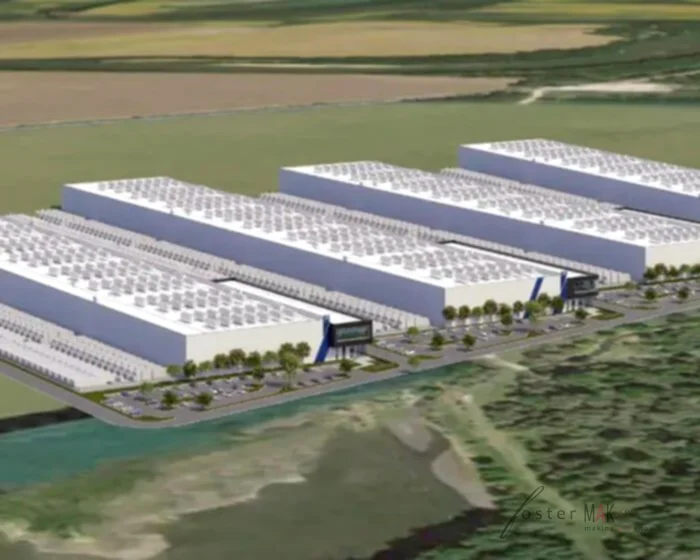
Great Lakes Water Levels Falling Impact Data Centers
In recent months, the phenomenon of Great Lakes water levels falling has become a topic of significant concern for various stakeholders, particularly those in the data center industry. As the Great Lakes are an essential source of freshwater for millions of people and numerous businesses across North America, the decrease in water levels poses substantial risks. This development is causing ripples across sectors that rely on this vital resource, with data centers being a focal point due to their high water usage for cooling purposes.
The Importance of Water Levels in the Great Lakes
The Great Lakes, comprising Lakes Superior, Michigan, Huron, Erie, and Ontario, form the largest group of freshwater lakes on Earth by total area. They hold approximately 5,439 cubic miles of water, accounting for about 21% of the world’s surface fresh water. These lakes are crucial not only for environmental and recreational purposes but also for economic activities. Industries ranging from manufacturing to agriculture depend heavily on the abundant water supply from these lakes.
Data centers, which are integral to supporting the digital infrastructure of countless businesses, have also become increasingly dependent on the Great Lakes. These facilities house servers and other equipment that generate a significant amount of heat, necessitating effective cooling systems. Many data centers use water from the Great Lakes as a primary cooling resource. Hence, the falling water levels present a dire challenge to maintaining their operations efficiently.
Factors Contributing to Falling Water Levels
Several factors have been identified as contributing to the Great Lakes water levels falling. Climate change is a major player, influencing precipitation patterns, increasing evaporation rates, and altering seasonal water flows. Warmer temperatures lead to higher evaporation, reducing water levels. Moreover, shifts in precipitation patterns can result in less rain and snowfall replenishing the lakes.
Human activities also play a role. Urbanization and infrastructure development around the Great Lakes have altered natural water flows and increased demand for water. Additionally, water management practices, such as diversions and withdrawals for agricultural and industrial use, directly impact the water levels.
These factors collectively create a complex web of influences that make predicting and managing the water levels in the Great Lakes increasingly challenging. The implications of these changes are profound, particularly for industries that rely heavily on consistent and abundant water supplies.
Data Centers at Risk: Cooling Challenges
Data centers require effective cooling systems to manage the heat generated by their operations. Traditionally, these facilities have relied on water-based cooling systems due to their efficiency and cost-effectiveness. As the Great Lakes water levels fall, data centers situated in this region face the prospect of reduced water availability, leading to potential operational disruptions.
The implications are significant. A lack of sufficient cooling can result in overheating, potentially damaging expensive equipment and leading to costly downtime. To mitigate these risks, data centers might need to invest in alternative cooling technologies or relocate to areas with more reliable water sources. However, both solutions come with substantial financial and logistical challenges.
Economic and Environmental Implications
The economic implications of the Great Lakes water levels falling extend beyond data centers. Industries that depend on shipping, fishing, and tourism are also at risk. Lower water levels can hinder navigation routes, affecting shipping operations and increasing transportation costs. The fishing industry may see a decline in fish populations due to habitat changes, impacting local economies.
Environmentally, the falling water levels threaten the biodiversity of the Great Lakes region. Wetlands, which provide critical habitats for numerous species, are particularly vulnerable. As water levels drop, these ecosystems face dehydration, leading to a loss of plant and animal life. Additionally, reduced water levels can concentrate pollutants, further endangering aquatic life and water quality.
Regional Responses and Adaptation Strategies
In light of the Great Lakes water levels falling, regional governments and industries are exploring various adaptation strategies. These include investing in water conservation measures, enhancing water management practices, and developing new technologies to reduce water usage. Data centers, in particular, are exploring alternative cooling methods such as air cooling and advanced liquid cooling systems that require less water.
Collaborative efforts are also underway to monitor and manage the Great Lakes’ water resources more effectively. Initiatives like the Great Lakes Water Quality Agreement between the United States and Canada aim to protect and restore the water quality and ecosystem health of the Great Lakes. These efforts include research and monitoring programs to better understand the impacts of climate change and human activities on water levels.
Technological Innovations in Data Center Cooling
As the challenge of the Great Lakes water levels falling becomes more apparent, data centers are turning to technological innovations to ensure uninterrupted operations. Advances in cooling technology offer promising solutions. Air cooling systems, which rely on ambient air to dissipate heat, are becoming more efficient and viable for large-scale data centers.
Liquid cooling systems, which use non-water-based coolants, are also gaining traction. These systems can offer superior cooling performance while reducing water dependency. Additionally, some data centers are experimenting with immersion cooling, where servers are submerged in a thermally conductive and electrically insulating liquid. This method provides efficient cooling without relying on traditional water sources.
Collaboration for Sustainable Water Use
The issue of Great Lakes water levels falling has highlighted the need for collaboration between industries, governments, and communities. A sustainable approach to water use is crucial to ensuring the long-term availability of this vital resource. Stakeholders are encouraged to engage in initiatives that promote water conservation, efficiency, and innovation.
Public awareness campaigns and educational programs can play a significant role in fostering a culture of sustainable water use. By understanding the challenges and potential solutions, communities can contribute to preserving the Great Lakes for future generations. Furthermore, policies supporting sustainable development and environmental protection are essential to addressing the multifaceted challenges posed by falling water levels.
The Path Forward
As the Great Lakes water levels continue to fall, the need for proactive measures becomes increasingly urgent. Data centers and other industries reliant on this precious resource must adapt to changing conditions through innovative technologies and sustainable practices. Regional cooperation and comprehensive water management strategies are essential to safeguarding the Great Lakes’ future.
The situation serves as a reminder of the interconnectedness of environmental and economic systems. By addressing the root causes and impacts of falling water levels, stakeholders can work towards a more resilient and sustainable future for the Great Lakes region and beyond.