
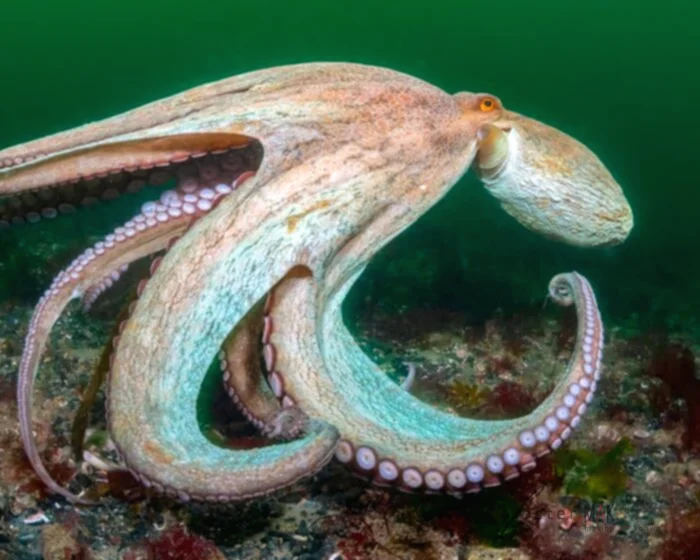
2025 Declared Year of the Octopus Amid Coastal Surge
In a groundbreaking announcement that has caught the attention of marine biologists and environmentalists worldwide, 2025 has been declared the
year of the octopus.
This declaration comes amid a noticeable surge in octopus populations along various coastlines, raising both intrigue and concern among scientists and coastal communities. The decision aims to highlight the ecological significance of octopuses, promote marine conservation efforts, and address the challenges posed by their increasing numbers.
Coastal Communities Witness Unprecedented Octopus Surge
Along the coastlines of several countries, residents and researchers have reported an unexpected increase in octopus sightings. From the rocky shores of the Pacific Northwest to the sun-drenched beaches of the Mediterranean, these enigmatic cephalopods seem to be making their presence known. Local fishers have noted a marked uptick in octopus catches, and beachgoers are encountering them more frequently in tidal pools and shallow waters.
Experts attribute this surge to a variety of factors, including changes in ocean temperature, shifts in prey availability, and the impact of human activities on marine ecosystems. As ocean temperatures rise due to climate change, octopuses, which are highly adaptable, may be expanding their habitats and thriving in new environments. Additionally, overfishing of their natural predators, such as sharks and larger fish, may have contributed to the boom in octopus populations.
The Year of the Octopus: A Call for Conservation
The designation of 2025 as the year of the octopus is not only a celebration of these fascinating creatures but also a call to action for conservation efforts. Octopuses play a crucial role in marine ecosystems as both predators and prey, and their health is indicative of the overall health of the ocean. By focusing on octopuses, conservationists hope to draw attention to the broader issues affecting marine life, such as ocean pollution, habitat destruction, and climate change.
Marine organizations are planning a series of initiatives to coincide with the year of the octopus. These include educational campaigns to raise awareness about octopus conservation, citizen science projects to monitor their populations, and efforts to protect critical habitats. By engaging the public and fostering a deeper understanding of octopuses, conservationists aim to inspire action to safeguard these remarkable animals and the ocean environments they inhabit.
Scientific Insights into Octopus Behavior and Intelligence
Octopuses have long fascinated scientists and the public alike due to their complex behavior and intelligence. As cephalopods, they possess sophisticated nervous systems and exhibit behaviors that suggest a high level of cognitive ability. Studies have shown that octopuses can solve puzzles, navigate mazes, and even display problem-solving skills that rival those of some vertebrates.
The year of the octopus presents an opportunity for researchers to delve deeper into the mysteries of octopus behavior and intelligence. By studying their natural behaviors in the wild and conducting laboratory experiments, scientists hope to uncover new insights into how these creatures think, learn, and interact with their environment. Such research not only enhances our understanding of octopuses but also sheds light on the evolution of intelligence across different species.
Year of the Octopus: Cultural and Economic Implications
Beyond its ecological significance, the year of the octopus holds cultural and economic implications for coastal communities. In many regions, octopuses are considered a delicacy and hold cultural importance in local cuisines and traditions. The increased visibility of octopuses has sparked a renewed interest in these aspects, prompting discussions about sustainable fishing practices and the balance between cultural heritage and conservation.
Economically, the surge in octopus populations presents both opportunities and challenges. For the fishing industry, the abundance of octopuses could lead to increased catches and economic benefits. However, this must be balanced with sustainable practices to prevent overfishing and ensure the long-term health of octopus populations. As demand for octopus products rises, there is a growing need for regulations and guidelines to ensure that harvesting practices are environmentally responsible.
The Role of Citizen Science in the Year of the Octopus
Citizen science has emerged as a powerful tool in monitoring and protecting octopus populations during the year of the octopus. By involving local communities, divers, and beachgoers in data collection efforts, scientists can gather valuable information about octopus distribution, behavior, and habitat use. This collaborative approach not only enhances scientific research but also fosters a sense of stewardship and connection to the marine environment.
Citizen science projects are being launched in various coastal regions, encouraging individuals to report their octopus sightings and observations through online platforms and mobile applications. These initiatives aim to create a comprehensive database of octopus occurrences, providing researchers with critical data to inform conservation strategies and assess the impact of environmental changes on octopus populations.