Discover Why Wild Animals Are Great Gift Givers This Christmas
This Christmas season, while many people are bustling through shopping malls and browsing online stores for the perfect gifts, an unexpected group is quietly demonstrating the art of gift-giving in the wild. Wild animals are great gift givers, and their behavior offers fascinating insights into the natural world. These acts of generosity are not only intriguing but also serve practical purposes that benefit both the giver and the recipient.
The Intriguing World of Animal Gift-Giving
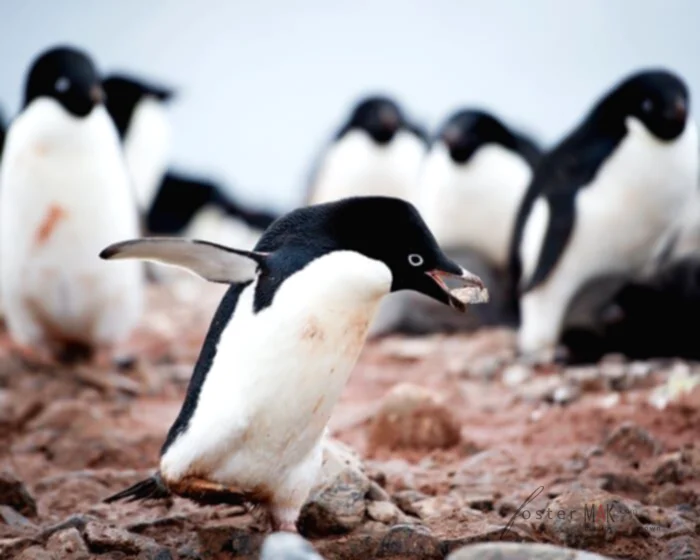
In the intricate tapestry of nature, gift-giving among animals is a surprisingly common behavior. From birds that offer carefully selected pebbles to their mates to primates that share food within their groups, the natural world is replete with examples of animals engaging in this seemingly human-like activity. But what motivates these creatures to give gifts, and what can humans learn from their behavior?
Gift-giving in the animal kingdom is often linked to mating rituals. For instance, male bowerbirds are known for constructing intricate structures decorated with colorful objects to attract females. These displays are not random acts of creativity but carefully curated exhibitions intended to showcase the male’s fitness as a potential mate. Similarly, the male European mantis presents a food offering to the female during courtship, a gesture that not only demonstrates his ability to provide but also increases the chances of mating success.
Wild Animals Are Great Gift Givers: A Look at Avian Courting Rituals
Birds, in particular, are renowned for their elaborate gift-giving practices. The satin bowerbird, found in Australia, is a prime example of how wild animals are great gift givers. The male bowerbird meticulously arranges sticks to build a bower, which he decorates with vibrant objects like berries, flowers, and even man-made items like plastic or glass. This artistic display is not merely decorative; it is crucial for attracting a mate. The female inspects the bower and its adornments, assessing the male’s suitability based on the quality and creativity of his gift.
Moreover, the Eurasian jay, a bird known for its intelligence, engages in gift-giving behavior that reflects its cognitive abilities. Male jays present food gifts to females, demonstrating their understanding of the female’s current desires. This behavior indicates a level of empathy and awareness, as the male must accurately predict what the female might want at that moment. Such acts of gifting underscore the complex social interactions and intelligence present in the avian world.
Mammals and Their Unique Approaches to Gift-Giving
While birds are often highlighted for their gift-giving, mammals also partake in this behavior with their unique twist. Among primates, chimpanzees exhibit a form of gift-giving that is deeply rooted in social bonds and cooperation. Within their communities, chimpanzees share food and grooming sessions, which serve as gifts to strengthen alliances and friendships. These acts of generosity are vital for maintaining social harmony and ensuring mutual support within the group.
In the world of marine mammals, dolphins are known to exchange gifts in the form of food or even objects like sponges or shells. These exchanges often occur between individuals who share a strong social bond or during courtship. Such acts highlight the importance of gift-giving in building and maintaining relationships, illustrating that the practice is not solely confined to terrestrial animals.
The Role of Gift-Giving in Survival and Social Structure
Gift-giving in the animal kingdom is not merely an act of kindness but a strategic behavior that can enhance survival and social structure. For many species, gifts serve as a means of establishing and reinforcing social hierarchies. In wolf packs, for example, the alpha wolf often shares food with subordinate members, reinforcing his leadership while ensuring the pack’s cohesion.
Additionally, gift-giving can be a teaching tool for young animals. In meerkat communities, adult meerkats present live prey to their young, teaching them how to handle and hunt for food. This act of gifting is crucial for the pups’ survival, as it equips them with the necessary skills to fend for themselves in the wild. Such practices underscore the multifaceted nature of gift-giving, which extends beyond courtship to encompass education and socialization.
Cultural Parallels: What Humans Can Learn from Animal Gift-Giving
The notion that wild animals are great gift givers prompts reflection on human practices and the cultural significance of gift-giving. In many human societies, gifts are a way to express love, gratitude, and respect. Similarly, in the animal world, gifts often symbolize a gesture of goodwill, a display of affection, or an attempt to forge stronger social bonds.
Observing animals’ gift-giving behaviors can inspire humans to rethink the motivations behind their own gift-giving traditions. While material gifts are common during the holiday season, the intention behind the gift—be it to express care, support, or appreciation—is what truly matters. Just as animals carefully select gifts that hold meaning and purpose, humans can also strive to make their gifts more thoughtful and meaningful.
Wild Animals Are Great Gift Givers: A Timeless Natural Phenomenon
As we celebrate the holiday season, it’s worth considering the timeless natural phenomenon where wild animals are great gift givers. From the meticulous bowerbird to the cooperative chimpanzee, the animal kingdom is brimming with examples of creatures engaging in acts of generosity that serve various ecological and social functions. These behaviors offer a glimpse into the complex interplay between nature and nurture, highlighting the adaptive significance of gift-giving in the wild.
In conclusion, while humans may have commercialized the art of gift-giving, animals remind us that the practice is deeply rooted in nature. Their gifts, though seemingly simple, are imbued with meaning and purpose, serving as a reminder of the universal language of generosity and connection. This Christmas, as we exchange gifts with loved ones, let us draw inspiration from the wild and embrace the spirit of giving with thoughtfulness and intention.