Devastating Floods Kill Over 1,100 in South and Southeast Asia
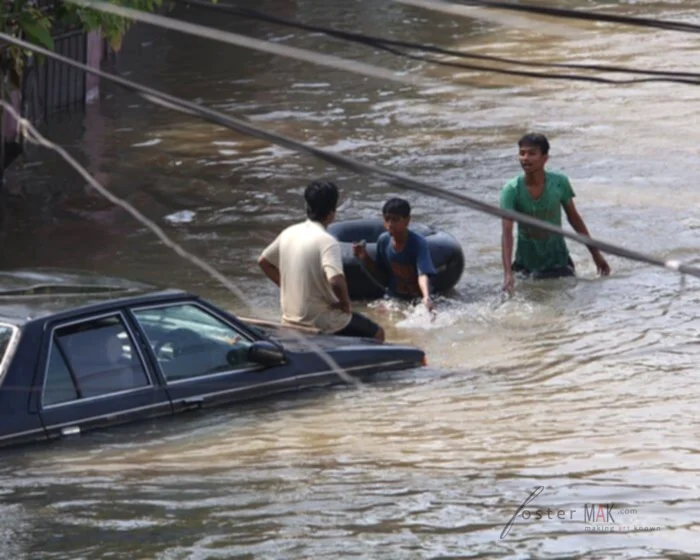
Unprecedented and devastating floods have swept through parts of South and Southeast Asia, resulting in a tragic loss of life and widespread destruction. Floods kill at least 1,100 people as torrential monsoon rains inundate vast regions, leaving millions displaced and entire communities submerged. The catastrophic weather conditions have posed serious challenges to rescue operations, and governments in the affected countries are scrambling to provide aid and relief to those in need.
Monsoon Rains Cause Widespread Destruction
The annual monsoon rains, which typically bring much-needed water for agriculture, have turned deadly this year. Excessive rainfall over several weeks has led to swollen rivers and reservoirs, breaching their banks and flooding vast tracts of land. The rains have been relentless, with meteorologists reporting some of the highest precipitation levels in decades. This has resulted in landslides and flash floods that have swept away homes, roads, and bridges, isolating many rural areas from emergency services.
In addition to the fatalities, millions have been forced to leave their homes, seeking refuge in overcrowded shelters. The floodwaters have destroyed crops and livestock, which are the lifeline for many communities in these agrarian societies. With roads and communication lines severed, delivering aid has become a monumental task for local authorities and international relief organizations.
Countries Hit Hard by the Flooding
The countries most severely affected by the flooding include India, Nepal, Bangladesh, and Myanmar. Each has faced its unique challenges in dealing with the disaster, though they share common issues of infrastructure damage and humanitarian crises.
In India, the states of Assam and Bihar have been particularly hard hit. In Assam, the Brahmaputra River has overflowed, affecting millions. Reports indicate that entire villages have been swept away, and thousands are stranded on rooftops awaiting rescue. The Indian government has deployed the army and air force to assist in rescue operations, but the scale of the disaster has overwhelmed resources.
Nepal, with its mountainous terrain, has experienced numerous landslides that have blocked roads and isolated villages. The government has declared a state of emergency in several districts, and helicopters are being used to reach the most remote areas. However, the ongoing rains and rugged landscape have made rescue efforts perilous.
Bangladesh, notorious for its vulnerability to flooding, has also seen significant impacts. The country’s low-lying delta makes it particularly susceptible to rising waters. Authorities have set up hundreds of flood shelters, but many are overflowing as more people flee the rising waters.
In Myanmar, the Irrawaddy River has reached dangerous levels, prompting mass evacuations. The government has faced criticism for its slow response, but efforts are underway to provide food and medical supplies to those displaced.
Floods Kill at Least 1,100 People: A Humanitarian Crisis
Floods kill at least 1,100 people, creating a humanitarian crisis of staggering proportions. The loss of life continues to rise as reports from remote areas trickle in. The affected regions are in dire need of clean water, food, and medical care. The risk of waterborne diseases such as cholera and dysentery is high, especially in crowded shelters where sanitation facilities are inadequate.
International aid organizations have mobilized to provide assistance. The United Nations has issued an urgent appeal for aid, emphasizing the need for immediate relief efforts to prevent further loss of life. Non-governmental organizations are also on the ground, working alongside local authorities to distribute essential supplies.
The flooding has not only caused immediate harm but has also set back development efforts in these regions by years. Schools, hospitals, and other infrastructure will need extensive repairs, and the agricultural sector will require support to recover from the devastation.
Rescue and Relief Efforts Face Daunting Challenges
Rescue operations have been hampered by ongoing rains and the sheer scale of the affected areas. In many places, rescuers are using boats to navigate flooded streets, while others rely on helicopters to reach isolated communities. The logistics of delivering aid are complicated by damaged roads and bridges, making it difficult to reach those most in need.
The response from local governments has been varied. While some have acted swiftly to deploy resources, others have struggled with coordination and distribution of aid. The international community has pledged support, but logistical challenges continue to impede the timely delivery of supplies.
Volunteers and community groups have played a crucial role in relief efforts, often risking their own safety to help others. Their efforts underscore the resilience and solidarity of the affected populations, even as they face one of the worst natural disasters in recent history.
Long-term Impact and Recovery
The long-term impact of the flooding will be felt for years to come. The destruction of homes and infrastructure means that rebuilding will be a lengthy and costly process. Many of the displaced face an uncertain future, with their livelihoods destroyed and no clear path to recovery.
Governments are under pressure to not only provide immediate relief but also to implement more effective flood management and disaster preparedness strategies. Lessons learned from this disaster could help mitigate the impact of future floods, which are likely to become more frequent and severe due to climate change.
In the wake of the disaster, there are calls for greater international cooperation and investment in infrastructure projects that can help reduce the risk of such catastrophic flooding in the future. This includes building more robust flood defenses, improving early warning systems, and ensuring that communities are better prepared to respond to natural disasters.
Community Resilience and the Road Ahead
The floods have tested the resilience of communities across South and Southeast Asia, but they have also highlighted the strength and determination of the people. Stories of neighbors helping each other and local groups organizing relief efforts are a testament to the human spirit in times of crisis.
As the waters begin to recede, attention will turn to rebuilding and recovery. This will require coordinated efforts from governments, international organizations, and local communities. There is a need for long-term support to ensure that those affected can rebuild their lives and livelihoods.
The road ahead will be challenging, but with continued support and cooperation, the affected regions can hope to recover and rebuild stronger than before.