Discover the Often Brutal Beauty of Sea Hounds in Frisian Islands
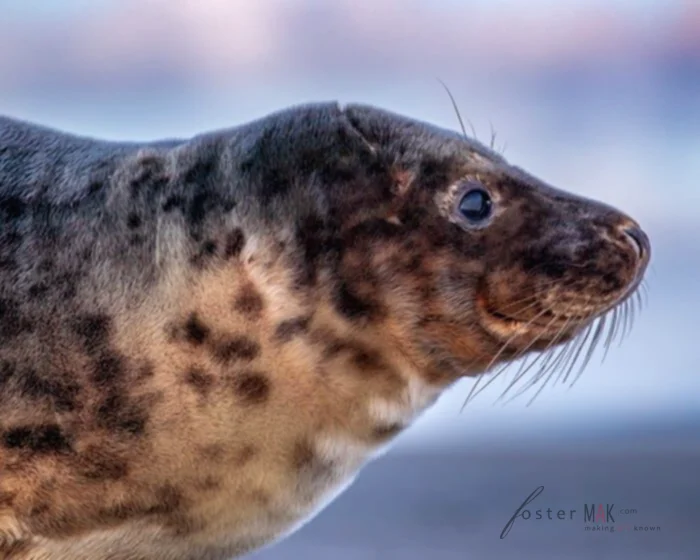
In the windswept expanse of the Frisian Islands, a unique spectacle captivates both locals and visitors: the presence of the formidable sea hounds. These creatures, known for their sheer power and undeniable beauty, are an intrinsic part of the region’s marine ecosystem. The sea hounds of the Frisian Islands, also known as grey seals, draw in marine biologists and wildlife enthusiasts alike, eager to observe their natural behaviors and understand their impact on the local environment.
The Myth and Reality of Sea Hounds
In the folklore of the Frisian Islands, sea hounds have long been shrouded in mystery and legend. Historically, fishermen spoke of these creatures with both admiration and fear, often attributing supernatural powers to them. The reality, however, is just as fascinating as the myths that surround them. As the largest predator in the North Sea, the grey seal’s formidable presence has earned it the nickname
sea hound.
These seals can weigh up to 300 kilograms and measure over 2.5 meters in length, making them a sight to behold for anyone fortunate enough to witness them in their natural habitat.
Despite their size and strength, grey seals are agile swimmers, capable of navigating the turbulent waters of the North Sea with ease. Their diet primarily consists of fish, but they are also known to hunt other marine life, including crustaceans and octopuses. This adaptability has allowed them to thrive in the challenging conditions of the Frisian Islands, where the interplay of tides, winds, and weather patterns creates a dynamic environment.
Exploring the Haunts of the Sea Hounds of the Frisian Islands
The Frisian Islands, a string of islands stretching along the coast of the Netherlands and Germany, provide an ideal habitat for grey seals. The islands’ remote and rugged nature offers the perfect breeding and resting grounds for these marine mammals. Each year, particularly during the pupping season in late autumn and early winter, the islands become a bustling hub of activity as sea hounds gather to give birth and care for their young.
One of the most popular spots for observing these creatures is the island of Heligoland, a small German archipelago located in the North Sea. Known for its striking red cliffs and unique biodiversity, Heligoland serves as an important sanctuary for grey seals. Here, visitors can witness the seals basking on the beaches and cliffs, often engaging in playful interactions with one another.
During the pupping season, the beaches are dotted with fluffy white pups, their large dark eyes and curious expressions captivating those who come to watch. The sight of a mother seal nurturing her young is a poignant reminder of the circle of life that thrives amidst the harsh elements of the North Sea.
Conservation Efforts and Challenges
The sea hounds of the Frisian Islands face numerous challenges, both from natural predators and human activities. Predation by orcas and sharks is a natural threat, but human interference poses a more significant risk to their survival. Pollution, fishing nets, and habitat destruction have all contributed to the decline in seal populations in the past.
In response, conservation efforts have been implemented to protect these majestic creatures. Organizations such as the Wadden Sea National Park and the Seal Research and Rehabilitation Centre in Pieterburen, Netherlands, play a crucial role in safeguarding the grey seal population. These initiatives focus on habitat protection, pollution control, and rescuing and rehabilitating injured or orphaned seals.
Public awareness campaigns and educational programs are also essential in fostering a deeper understanding of the importance of grey seals to the marine ecosystem. By promoting responsible tourism and sustainable fishing practices, the goal is to ensure that future generations can continue to marvel at the beauty and resilience of the sea hounds of the Frisian Islands.
The Role of Sea Hounds in the Ecosystem
The presence of grey seals in the Frisian Islands is not only a testament to their adaptability but also highlights their vital role in the marine ecosystem. As apex predators, sea hounds help maintain the balance of marine life by controlling fish populations and contributing to the health of the ocean environment.
Research conducted by marine biologists has shown that grey seals play a significant role in nutrient cycling. Their feeding habits contribute to the redistribution of nutrients within the marine ecosystem, supporting the growth of phytoplankton and other essential organisms that form the base of the aquatic food chain.
Moreover, the presence of sea hounds attracts other marine species to the area, creating a thriving and diverse ecosystem. This biodiversity not only supports the ecological health of the region but also provides opportunities for eco-tourism and scientific study, further emphasizing the importance of preserving these natural habitats.
The Future of Sea Hounds in the Frisian Islands
The future of the sea hounds of the Frisian Islands is intrinsically linked to the health of the North Sea and the effectiveness of ongoing conservation efforts. As climate change continues to impact global weather patterns and sea levels, the ability of grey seals to adapt to these changes will be critical to their survival.
Scientists are closely monitoring the effects of climate change on seal populations, studying shifts in their distribution and breeding patterns. The data collected will be essential in guiding conservation strategies and ensuring that protective measures are in place to mitigate the impact of environmental changes.
In addition to scientific research, community involvement and international cooperation are essential in addressing the challenges faced by the sea hounds of the Frisian Islands. By working together, governments, non-profit organizations, and local communities can create a sustainable future for these magnificent creatures and the unique ecosystems they inhabit.
As the eyes of the world turn increasingly towards preserving our planet’s natural wonders, the sea hounds of the Frisian Islands stand as a powerful symbol of the delicate balance between nature and human activity. Their story is one of survival and adaptation, a testament to the resilience of life in even the most unforgiving of environments. Through continued efforts to protect and preserve these incredible animals, we honor the legacy of the sea hounds and ensure their place in the rich tapestry of the natural world.