Starmer Advocates Closer Ties with EU Single Market Over Union
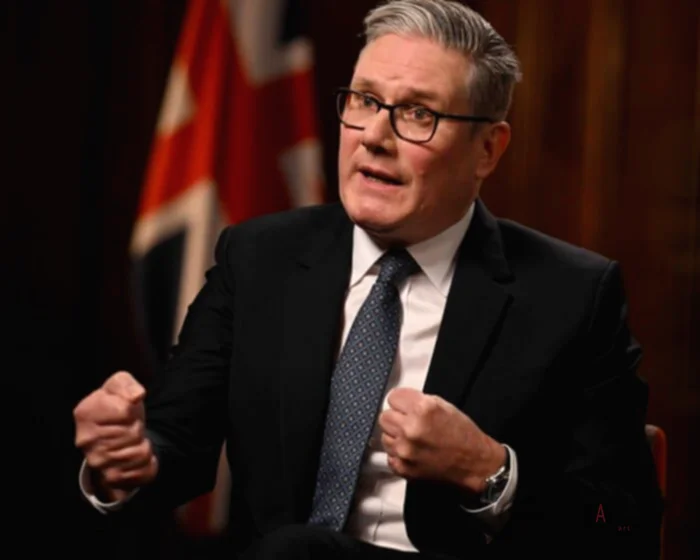
In a significant policy shift, UK Labour leader Keir Starmer has called for closer ties with the EU single market, a move that signals a potential reorientation of the United Kingdom’s post-Brexit relationship with Europe. Starmer’s remarks have sparked a debate across the political spectrum, as the country grapples with the economic and political implications of its departure from the European Union.
Starmer’s Vision for the UK-EU Relationship
Keir Starmer has outlined a vision for a more collaborative relationship between the UK and the European Union, emphasizing the need for closer ties with the EU single market. The Labour leader argues that strengthening economic links with Europe is crucial for the UK’s prosperity, particularly in the aftermath of Brexit. This approach marks a departure from the Conservative government’s focus on global trade deals and a more distant relationship with the EU.
Starmer’s stance is rooted in economic pragmatism. With the UK facing economic challenges exacerbated by the pandemic and Brexit, Starmer believes that aligning more closely with the EU single market could help stabilize and boost the British economy. He points to the importance of seamless trade for businesses, reduced tariffs, and the elimination of non-tariff barriers, which could foster growth and create jobs.
Economic Arguments for Closer Integration
The economic rationale behind Starmer’s push for closer ties with the EU single market is compelling. The EU remains the UK’s largest trading partner, and many sectors of the British economy rely heavily on access to the European market. The frictionless trade that membership in the single market offers could alleviate some of the post-Brexit economic disruptions that businesses have faced.
For industries such as manufacturing and agriculture, which depend on just-in-time supply chains and cross-border transactions, closer integration with the EU market could reduce costs and increase efficiency. Additionally, aligning regulations with EU standards might simplify compliance for UK businesses exporting to the continent, further facilitating trade.
Political Implications of Starmer’s Proposal
Starmer’s call for deeper ties with the EU single market carries significant political implications. It represents a pivot from the Labour Party’s previous position, which was more cautious about re-engaging closely with the EU. This shift could redefine Labour’s stance on Brexit and potentially reposition the party as a pro-European alternative to the Conservatives.
However, Starmer’s proposal also risks alienating some voters who supported Brexit and see it as a means to regain sovereignty. Balancing these concerns with the economic benefits of closer ties to the EU will be a key challenge for Starmer and the Labour Party.
Reactions from Across the Political Spectrum
The reaction to Starmer’s call for closer ties with the EU single market has been mixed. Within his party, there is both support and skepticism. Some Labour members welcome the move as a positive step towards repairing relations with Europe, while others caution against alienating voters who backed Brexit.
The Conservative government, led by Prime Minister Rishi Sunak, has been critical of Starmer’s proposal. They argue that it undermines the UK’s ability to forge its path in the global arena and that the focus should remain on building new trade relationships outside the EU. Brexit hardliners have also voiced opposition, viewing Starmer’s stance as a step towards reversing the referendum result.
Closer Ties with EU Single Market: A Strategic Necessity?
For Starmer, closer ties with the EU single market are not just a strategic choice but a necessity for the UK’s future economic stability. He emphasizes the need for cooperation in areas such as climate change, security, and research, which require collaboration beyond national borders. In this interconnected world, Starmer contends that the UK cannot afford to isolate itself from its closest neighbors.
The Labour leader’s focus on the single market reflects a broader strategy to position the UK as an active participant in global affairs, leveraging its proximity to the EU to strengthen its economic and geopolitical standing. This approach could potentially pave the way for renewed partnerships and collaborations with European nations.
Challenges and Opportunities Ahead
While Starmer’s vision for closer ties with the EU single market presents opportunities, it also faces significant challenges. Negotiating a new relationship with the EU that balances economic cooperation with political autonomy will require careful diplomacy and strategic negotiation.
The UK must also navigate internal political dynamics, as public opinion on Brexit remains polarized. Starmer will need to build a broad consensus within his party and among the electorate to advance his proposal effectively. Additionally, the EU’s response to the UK’s overtures will be crucial in determining the feasibility of closer integration.
Closer Ties with EU Single Market: A Path Forward?
Starmer’s advocacy for closer ties with the EU single market has ignited a crucial debate about the UK’s future direction. As the country navigates its post-Brexit identity, the Labour leader’s proposal offers a potential path forward that prioritizes economic stability and international collaboration. Whether this approach will gain traction and reshape the UK’s relationship with Europe remains to be seen, but it undoubtedly marks a significant moment in the ongoing dialogue about the nation’s place in the world.