Experts Reveal How Trump Left US Less Prepared for Natural Disast
In the wake of increasing natural disasters, experts are sounding the alarm that the US is less prepared for natural disasters than in previous years. This warning comes as recent reports highlight changes in federal policies and funding during the Trump administration that have left the nation’s emergency management capabilities weakened. As climate change continues to exacerbate the frequency and intensity of these events, the implications of this preparedness gap are profound and concerning.
A Shift in Federal Emergency Management Policies
During Donald Trump’s presidency, there was a significant shift in federal emergency management policies that experts argue has left the US less prepared for natural disasters. One of the most notable changes was the restructuring and budget cuts to the Federal Emergency Management Agency (FEMA). Critics point out that these cuts hampered the agency’s ability to respond effectively to large-scale emergencies. FEMA, which plays a critical role in coordinating disaster response and recovery, faced staffing shortages and resource constraints as a result.
The Trump administration’s approach to FEMA was marked by a focus on devolving more responsibility to state and local governments. While decentralizing disaster response can empower local agencies, experts warn that without adequate federal support and guidance, these entities may struggle to manage large-scale crises on their own. The move also came with a reduction in federal disaster aid, further straining state and local emergency management resources.
Impact of Climate Policy Rollbacks
Another factor contributing to the US being less prepared for natural disasters is the rollback of climate policies during the Trump era. The administration withdrew from the Paris Climate Agreement and rolled back numerous environmental regulations aimed at reducing greenhouse gas emissions. These actions have been criticized for undermining efforts to address climate change, which is a key driver of the increasing severity and frequency of natural disasters.
The absence of robust federal climate policies has also hindered the development of comprehensive climate adaptation strategies. Without a coordinated national approach, states and cities are left to develop their own plans, often with varying degrees of success and resources. This lack of uniformity can lead to gaps in preparedness and response capabilities across the country.
US Less Prepared for Natural Disasters: A Widening Gap
The gap in preparedness has become increasingly evident as the US faces more frequent and severe natural disasters. From devastating hurricanes to rampant wildfires and historic flooding, the nation’s emergency management systems have been tested repeatedly. Experts argue that the cumulative impact of policy rollbacks and funding cuts has left the US less prepared for natural disasters, resulting in slower response times and more prolonged recovery efforts.
One illustrative example is the response to Hurricane Maria in Puerto Rico. The storm exposed significant shortcomings in federal disaster response capabilities, with many residents left without power and basic necessities for months. Critics of the Trump administration argue that the disaster was a stark reminder of the consequences of underfunded emergency management systems.
The Role of Infrastructure and Resilience
Infrastructure resilience is another critical component of disaster preparedness that has suffered due to policy changes during the Trump administration. Efforts to modernize and strengthen the nation’s infrastructure to withstand natural disasters were deprioritized, with funding redirected to other initiatives. This has left many communities vulnerable to the impacts of extreme weather events.
The American Society of Civil Engineers has repeatedly highlighted the need for investment in infrastructure to improve resilience. However, during the Trump presidency, infrastructure bills that could have addressed these concerns stalled in Congress. The lack of progress in this area means that critical systems like power grids, water supplies, and transportation networks remain susceptible to disruption during disasters.
US Less Prepared for Natural Disasters: Expert Warnings
Experts have issued numerous warnings about the implications of being less prepared for natural disasters. As climate change continues to intensify these events, the costs—both human and financial—are only expected to rise. The National Oceanic and Atmospheric Administration reported that in 2020 alone, the US experienced 22 separate billion-dollar weather and climate disasters, the highest number on record.
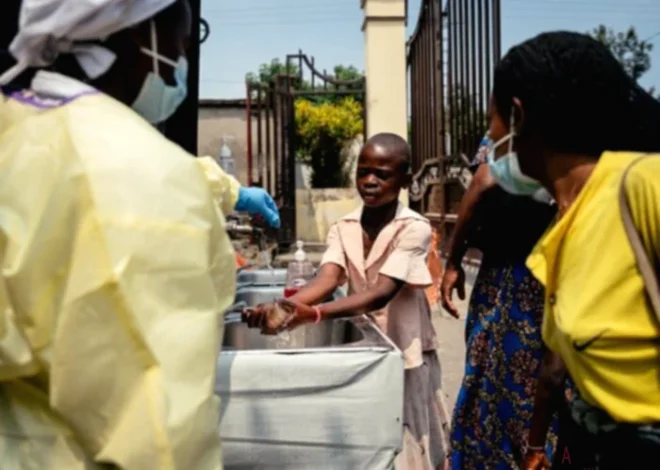
The strain on emergency services and the healthcare system during these crises underscores the urgent need for improved preparedness. Public health experts warn that the compounding effects of natural disasters can lead to increased mortality and morbidity, especially among vulnerable populations. The COVID-19 pandemic has further highlighted these vulnerabilities, as communities already grappling with the virus have had to contend with additional challenges posed by natural disasters.
Path Forward: Rebuilding Preparedness and Resilience
In the wake of these challenges, there are calls for a renewed focus on rebuilding the nation’s preparedness and resilience to natural disasters. The Biden administration has pledged to prioritize climate action and strengthen federal emergency management systems. This includes rejoining the Paris Climate Agreement and proposing significant investments in infrastructure and resilience through legislative efforts like the Infrastructure Investment and Jobs Act.
Experts emphasize that a comprehensive approach is needed to address the gaps left by previous policy changes. This includes not only restoring funding and resources to FEMA but also developing a coordinated national strategy for climate adaptation. Building partnerships with state and local governments, as well as private sector stakeholders, will be crucial in creating a more resilient and prepared nation.
US Less Prepared for Natural Disasters: Community-Level Impacts
At the community level, the lack of preparedness has tangible impacts on residents. Local governments and emergency responders often struggle to meet the demands of disaster response and recovery without adequate federal support. In many cases, this results in delayed aid, prolonged recovery periods, and increased economic burdens on affected communities.
Communities that have been historically marginalized or economically disadvantaged are particularly at risk. These areas often lack the resources to invest in resilience measures and are more likely to suffer from inadequate infrastructure. As a result, they face a greater likelihood of experiencing severe impacts from natural disasters, further perpetuating cycles of poverty and inequality.
Lessons from Recent Disasters
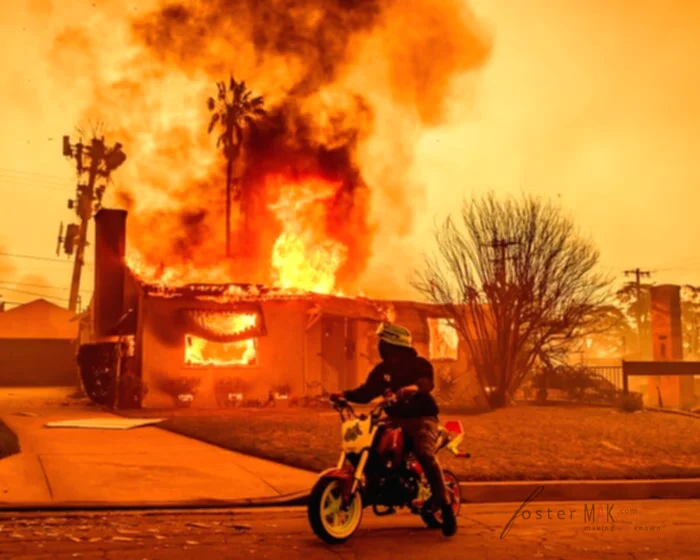
Recent natural disasters have provided critical lessons about the importance of preparedness and resilience. The devastating wildfires in California, the destructive hurricanes in the Gulf Coast, and the widespread flooding in the Midwest have all underscored the need for a proactive and coordinated approach to disaster management.
These events have also highlighted the resilience of communities and the importance of local leadership. In many cases, local governments and organizations have stepped up to fill the gaps left by federal policies, demonstrating the power of grassroots initiatives in disaster response and recovery.
The Road Ahead: Building a More Prepared Nation
As the US looks to the future, the challenges of preparing for natural disasters remain significant. However, there is hope that with renewed focus and investment, the nation can build a more resilient and prepared society. This will require a commitment to addressing the root causes of climate change, investing in critical infrastructure, and ensuring that all communities have the resources they need to withstand and recover from natural disasters.
The task is daunting, but experts agree that with the right policies and investments, the US can enhance its preparedness for the challenges that lie ahead. As climate change continues to reshape the landscape of natural disasters, the lessons learned from recent years can serve as a roadmap for building a more secure and resilient future.