Canada Fears US Mining Minerals Could Lead to Annexation
In a surprising turn of events, Canada’s government has expressed growing concerns over the potential for the United States to expand its mining operations northward, prompting fears of a modern annexation attempt. The sentiment that
Canada doesn’t want US mining
has been echoed by officials and environmentalists alike, raising tensions between the two neighboring nations at a time when international cooperation is more crucial than ever.
Mining in the Spotlight: A Catalyst for Diplomatic Strain
The issue of cross-border mining has come to the forefront of Canadian political discourse as the global demand for critical minerals and rare earth elements continues to rise. These resources, essential for manufacturing electronics and renewable energy technologies, are becoming increasingly valuable on the international stage. While the United States has ramped up its efforts to secure these minerals domestically, Canadian policymakers fear that this could lead to an overreach of US influence on Canadian soil.
Canada’s mineral reserves are vast and largely untapped, making them an attractive prospect for mining companies eager to capitalize on the booming market. However, Canadian officials are wary of allowing American firms to operate freely within their borders. This apprehension is not just about economic sovereignty but also environmental stewardship and indigenous rights, which are seen as potential casualties in the race for resources.
Canada Doesn’t Want US Mining: A Sovereignty Concern
The prospect of increased US mining activity in Canada has ignited a debate over national sovereignty. Canada doesn’t want US mining to encroach upon its territory, a sentiment that resonates deeply with its history of maintaining independence from its southern neighbor. This fear is compounded by past incidents where the US has exerted significant influence over Canadian resources through trade agreements and economic leverage.
Canada’s Minister of Natural Resources, Jonathan Wilkinson, has been vocal about the need for Canadian oversight in any mining operations that involve foreign entities.
While we recognize the importance of working with our allies, we must ensure that any collaboration respects Canada’s sovereignty and environmental standards,
Wilkinson stated at a recent press conference.
Historical Context: A Legacy of Resource Control
The fear of annexation is not entirely unfounded when viewed through the lens of history. The United States has long held an interest in Canada’s natural resources, dating back to the 19th century. The Alaska Purchase in 1867 and the subsequent Klondike Gold Rush are examples of how the US has historically sought to expand its resource base through territorial acquisition and exploration.
Modern-day concerns are similarly rooted in the strategic importance of Canada’s mineral wealth. The North American Free Trade Agreement (NAFTA), now superseded by the United States-Mexico-Canada Agreement (USMCA), has often been criticized for disproportionately benefiting American interests at the expense of Canadian autonomy. These agreements have heightened suspicions that increased US mining activity could lead to a dilution of Canadian control over its natural resources.
Environmental Implications: Protecting Canadian Landscapes
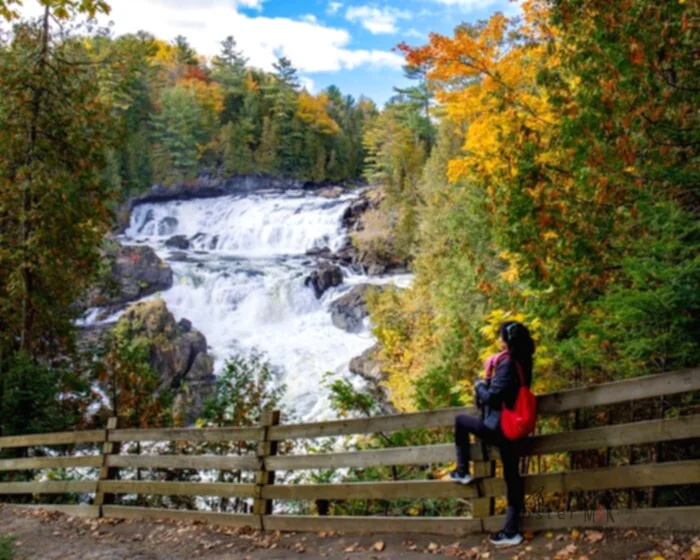
Beyond sovereignty issues, environmental concerns are at the heart of Canada’s reluctance to allow US mining operations within its borders. Canada is home to some of the world’s most pristine natural landscapes, and the environmental impact of mining activities could be catastrophic.
Environmental groups in Canada have been vocal about their opposition to cross-border mining projects that do not adhere to strict ecological standards. The potential for habitat destruction, water pollution, and carbon emissions makes mining a contentious issue in a country that prides itself on its commitment to environmental conservation.
To address these concerns, Canadian lawmakers have proposed stricter regulations and oversight for any foreign mining ventures. This includes ensuring that companies adhere to Canada’s rigorous environmental standards and engage in meaningful consultations with indigenous communities who may be affected by mining activities.
Indigenous Rights and Mining: A Delicate Balance
Indigenous communities in Canada have a significant stake in the mining debate, as many mineral-rich areas overlap with traditional indigenous lands. The history of mining in Canada has often been fraught with controversy, as indigenous groups have been marginalized and excluded from decision-making processes that affect their territories.
The prospect of US mining companies operating in Canada raises concerns about the potential for further infringement on indigenous rights. Many indigenous leaders have called for greater involvement in discussions surrounding mining projects, emphasizing the need for free, prior, and informed consent in accordance with international human rights standards.
Canada’s government has pledged to honor these rights and ensure that any mining activities on indigenous lands are conducted with the full participation and agreement of the affected communities. This commitment is seen as crucial to maintaining social harmony and preventing conflicts that could arise from unilateral decision-making.
Canada Doesn’t Want US Mining: Economic Considerations
While sovereignty, environmental protection, and indigenous rights are significant concerns, the economic implications of US mining in Canada cannot be overlooked. Canada doesn’t want US mining operations to undermine its own competitive advantage in the global minerals market.
Canada’s mining industry is a vital part of its economy, contributing billions to the national GDP and providing employment to thousands. The entry of American companies could disrupt this balance by driving down prices and potentially leading to the monopolization of certain mineral sectors.
To protect its economic interests, Canada is exploring ways to strengthen its domestic mining industry. This includes investing in new technologies and infrastructure that can enhance productivity and ensure that Canadian companies remain competitive on the world stage.
Diplomatic Efforts to Resolve the Tension
In light of these complex issues, diplomatic efforts are underway to address the growing tension between Canada and the United States over mining activities. Both countries have a vested interest in maintaining amicable relations, and high-level discussions are being held to find common ground.
Canada is seeking assurances from the US that any mining operations will be conducted with full respect for Canadian laws and regulations. Similarly, the US is looking to secure a stable supply of critical minerals while acknowledging Canada’s concerns.
These negotiations are delicate and ongoing, but there is hope that a mutually beneficial agreement can be reached. Such an outcome would not only preserve the sovereignty and environmental integrity of Canada but also strengthen the longstanding partnership between the two nations.
The situation remains fluid, and stakeholders on both sides of the border are watching closely as the dialogue continues. The outcome of these discussions will have far-reaching implications, not just for Canada and the United States, but for the global minerals market and international environmental policy.