
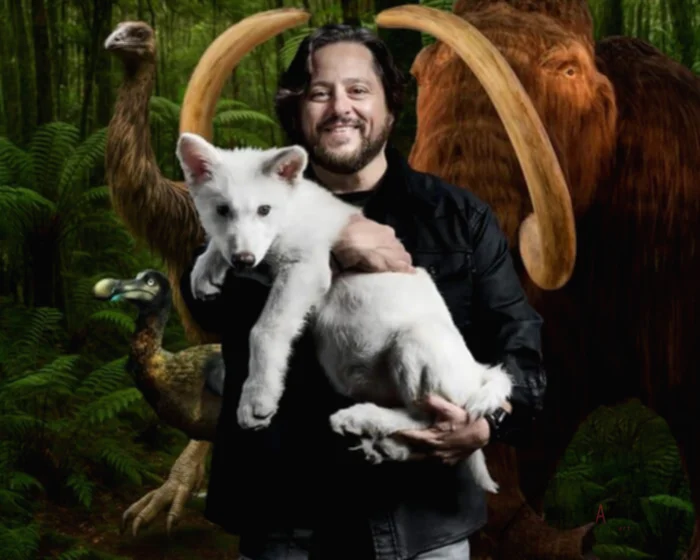
Can Colossals Genetically Engineered Animals Be Real?
In recent years, the field of genetic engineering has seen remarkable advancements, leading to the emergence of genetically engineered animals. The prospect of creating colossal creatures through genetic manipulation has captured the imagination of scientists and the public alike. As researchers explore the possibilities and implications of this cutting-edge technology, questions arise about the feasibility and ethical considerations of bringing these titanic beings to life.
The Science Behind Genetically Engineered Animals
Genetically engineered animals are organisms whose genetic material has been altered using biotechnology to exhibit specific traits. This process often involves adding, removing, or modifying genes to achieve desired characteristics. Advances in gene-editing technologies, such as CRISPR-Cas9, have significantly accelerated the ability to precisely manipulate DNA, making it possible to envision the creation of animals that differ dramatically from their natural counterparts.
The concept of genetically engineered animals took a leap forward with the advent of these tools. CRISPR-Cas9 allows scientists to target specific genes within an organism’s DNA and modify them with unprecedented accuracy. This breakthrough technology has enabled researchers to explore applications ranging from disease resistance to enhanced physical attributes. As a result, the door has been opened to the potential of creating animals that are not only genetically different but also vastly larger than their natural kin.
The Quest for Colossal Creatures
The idea of engineering massive animals is not entirely new. Throughout history, tales of gigantic creatures have populated folklore and literature. Yet, with modern genetic engineering, the possibility of bringing such creatures to life has moved from myth to potential reality. Scientists are now exploring the boundaries of biology to determine if colossal animals could indeed be engineered.
One of the primary motivations behind this pursuit is the potential for practical applications. Larger animals could serve as more efficient sources of food, provide greater yields of valuable materials, or even play roles in environmental restoration. However, the challenges of creating and sustaining such large organisms are significant. The physiological demands of supporting a massive body size, including increased nutritional needs and the management of waste and heat, present formidable hurdles.
Ethical Considerations in Genetic Engineering
As with any groundbreaking technology, the genetic engineering of animals raises important ethical questions. The prospect of creating genetically engineered animals, particularly colossal ones, involves considerations about animal welfare, ecological impact, and the boundaries of scientific exploration. Balancing the potential benefits against the ethical implications is crucial as society navigates these uncharted waters.
Animal welfare advocates express concerns about the well-being of genetically engineered animals. The process of altering an animal’s genetic makeup can lead to unintended consequences, including health issues and reduced quality of life. Furthermore, the ecological impact of introducing genetically modified organisms into natural environments is an area that requires careful consideration. The potential for these animals to outcompete or disrupt existing ecosystems poses a significant risk.
Achievements and Challenges in Genetic Engineering
While the concept of genetically engineered animals is ambitious, significant progress has already been made in the realm of genetic modification. Scientists have successfully engineered animals with specific traits, such as disease resistance in livestock and enhanced growth rates in fish. These achievements demonstrate the potential for genetic engineering to address global challenges, including food security and environmental sustainability.
However, the creation of colossal animals presents unique challenges beyond those encountered in previous projects. The biological demands of supporting a significantly larger body size require a comprehensive understanding of physiology, nutrition, and biomechanics. Additionally, the ethical and regulatory landscape surrounding such endeavors remains complex and evolving.
Genetically Engineered Animals: A Technological Frontier
The focus on genetically engineered animals as a technological frontier underscores the potential for transformative advancements in multiple sectors. From agriculture to medicine, the manipulation of animal genetics holds promise for addressing pressing global issues. However, realizing the full potential of this technology requires careful navigation of scientific, ethical, and societal considerations.
Ongoing research into genetic engineering continues to push the boundaries of what is possible. Scientists are exploring applications ranging from enhanced agricultural productivity to the development of new medical treatments. The ability to engineer animals with specific traits offers opportunities to improve resource efficiency, reduce environmental impact, and advance biomedical research.
The Future of Genetic Engineering in Animal Populations
As research in genetic engineering progresses, the future of animal populations could be profoundly impacted. The potential to create genetically engineered animals with unique traits opens up new possibilities for conservation efforts and biodiversity management. By tailoring genetic modifications to specific ecological needs, scientists could contribute to the preservation of endangered species and the restoration of fragile ecosystems.
However, the introduction of genetically engineered animals into natural environments must be approached with caution. The long-term effects on ecosystems and biodiversity are not yet fully understood, and careful consideration is needed to prevent unintended consequences. Collaborative efforts between scientists, policymakers, and ethicists are essential to ensure responsible advancements in this field.
The Role of Public Perception and Policy
Public perception and policy play critical roles in shaping the trajectory of genetic engineering in animals. As the technology continues to evolve, transparent communication and engagement with the public are vital to building trust and understanding. Addressing societal concerns and fostering informed dialogue can help guide the development and implementation of regulations that balance innovation with ethical responsibility.
Policy frameworks surrounding genetically engineered animals vary widely across countries, reflecting differing cultural values and regulatory priorities. As the global landscape of genetic engineering evolves, international collaboration and harmonization of policies will be essential to address cross-border challenges and opportunities.
In conclusion, the potential for creating colossal genetically engineered animals represents a fascinating intersection of science, ethics, and public engagement. As research advances, the scientific community and society at large must work together to navigate the complexities of this emerging field responsibly.