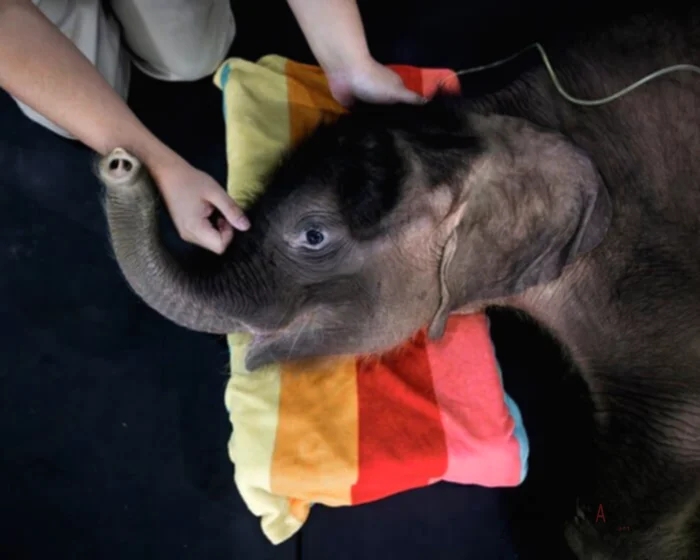
Why Do Elephants Abandon Their Calves? The Rising Concern
In recent years, wildlife conservationists have been puzzled by an unexpected phenomenon: instances where an elephant abandons her calf. This curious and distressing behavior has been observed across various elephant populations and has left experts scrambling to understand the underlying causes. As these majestic creatures face increasing environmental pressures, the rising frequency of calf abandonment raises questions about the health and stability of elephant herds worldwide.
Understanding Elephant Maternal Behavior
Elephants are known for their highly social and familial structures. Female elephants, known as cows, are typically very nurturing and protective of their offspring. In the wild, elephant calves rely heavily on their mothers for survival during the first few years of life. The mother provides not only nourishment but also guidance and protection against predators. The bond between a mother elephant and her calf is usually strong, making the phenomenon of abandonment particularly perplexing.
The nurturing behavior of elephant cows extends beyond their own calves. Female elephants in a herd often participate in communal care, where they help look after each other’s young. This shared responsibility is critical for the survival of the calf and the cohesion of the elephant group. Such close-knit relationships make the recent pattern of abandonment even more alarming to researchers and conservationists.
When an Elephant Abandons Her Calf: Unraveling the Causes
The reasons why an elephant abandons her calf can vary and often involve a complex interplay of environmental, biological, and social factors. One of the primary reasons identified by researchers is the stress induced by habitat loss. As human activities encroach on elephant territories, these animals are forced into smaller, fragmented habitats. The increased competition for limited resources can lead to stress and malnutrition, both of which can affect a mother elephant’s ability to care for her calf.
Another significant factor is human-wildlife conflict. In areas where elephants and humans coexist, encounters can often turn deadly. Farmers protecting their crops may resort to violence, inadvertently injuring or killing elephant mothers. When a mother elephant is killed or incapacitated, her calf is left vulnerable and often unable to survive on its own.
The Role of Environmental Stressors
Environmental stressors play a crucial role in the phenomenon of calf abandonment. Droughts, which are becoming more frequent due to climate change, can severely impact the availability of food and water. During such times, an elephant mother may be forced to make the difficult decision to abandon her calf in order to conserve resources for herself and the rest of the herd. This harsh reality underscores the dire consequences of climate change on wildlife.
Poaching also contributes to the stress experienced by elephant herds. Despite international bans on ivory trade, poaching remains a significant threat. Mothers targeted by poachers leave behind orphans who struggle to survive. The psychological impact of losing a mother can be devastating for a calf, affecting its ability to integrate and function within a herd.
Insights from Conservationists and Researchers
Conservationists and researchers around the world are working tirelessly to address the issue of calf abandonment. By studying elephant behavior and ecology, they hope to identify the key factors driving this trend and develop effective intervention strategies. One approach has been to enhance habitat protection and restoration efforts. By securing larger, contiguous areas of land for elephants, conservationists aim to reduce the stress associated with habitat fragmentation.
Research has also focused on the social dynamics within elephant herds. Understanding the role of social bonds and herd leadership can provide insights into how elephants cope with environmental and social pressures. In some cases, conservationists have facilitated the formation of orphan elephant groups, where young elephants abandoned or orphaned can receive care and social interaction from other elephants in a controlled environment.
When an Elephant Abandons Her Calf: The Human Impact
The consequences of an elephant abandoning her calf extend beyond the animal kingdom and have significant implications for human communities as well. Elephants are a keystone species, meaning their presence is critical to the ecological balance of their habitats. When elephant populations decline due to calf abandonment and other threats, the entire ecosystem can be affected.
Moreover, elephants hold cultural and economic importance in many regions. In countries where ecotourism is a major source of revenue, the decline in elephant populations can have profound economic impacts. Communities that rely on tourism for their livelihoods are directly affected when elephant numbers dwindle, making conservation efforts crucial not only for the animals themselves but also for human prosperity.
Mitigating the Crisis: Conservation Efforts and Initiatives
Several initiatives have been launched to mitigate the crisis of calf abandonment and support elephant conservation. Anti-poaching units have been strengthened in many regions, with technology playing a pivotal role. Drones and GPS tracking devices are being used to monitor elephant movements and deter poachers. These technological advancements have increased the effectiveness of conservation efforts by providing real-time data on elephant herd locations and potential threats.
Community-based conservation programs have also gained traction. By involving local communities in conservation efforts, these programs foster a sense of ownership and responsibility towards wildlife. Educating communities about the importance of elephants and providing alternative livelihoods can reduce human-wildlife conflict and promote coexistence.
Challenges Ahead for Elephant Conservation
While significant strides have been made in elephant conservation, challenges remain. The demand for ivory, habitat destruction, and climate change continue to pose significant threats to elephant populations. Addressing these issues requires a coordinated global effort and collaboration between governments, NGOs, and local communities.
The phenomenon of calf abandonment highlights the complex interactions between elephants and their environment. As researchers continue to study these majestic animals, the hope is that a deeper understanding of their behavior will lead to more effective conservation strategies. The survival of elephants is not only crucial for maintaining biodiversity but also for preserving the cultural and economic fabric of the regions they inhabit.