
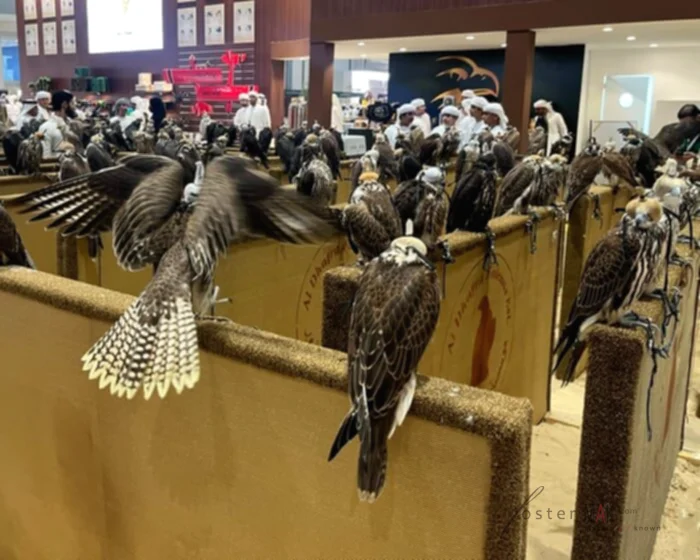
How Elite Falcons Drive Illegal Trade of UK Birds
The thriving world of elite falconry is casting a shadow over the United Kingdom’s bird populations, with elite falcons driving illegal trade activities that threaten native species. This underground market, fueled by high demand and lucrative profits, is making elite falcons the focal point of a growing concern among conservationists and authorities. As these majestic birds become symbols of prestige and power, the darker side of their allure is drawing attention to the illegal trade networks exploiting them.
Falconry: A Tradition with a Modern Twist
Falconry, the art of training birds of prey to hunt in cooperation with humans, is a tradition that dates back thousands of years. It has evolved from a means of hunting to a sport pursued by enthusiasts around the world. In recent years, falconry has seen a resurgence among the elite, who prize these birds not only for their hunting prowess but also for the status they confer on their owners. This demand has, in turn, fueled a dangerous and illegal trade.
The appeal of falconry among the wealthy has led to a spike in the demand for rare and exotic birds of prey. This includes the peregrine falcon, known for its speed and agility, and the gyrfalcon, prized for its size and striking plumage. While legal avenues exist for acquiring these birds, the high prices and limited availability have pushed some individuals to seek out illegal sources.
Elite Falcons Driving Illegal Trade
The involvement of elite falcons in driving illegal trade is a growing concern for law enforcement and wildlife protection agencies. The illegal trade in birds of prey is lucrative, with some species fetching tens of thousands of pounds on the black market. This financial incentive has led to the poaching and smuggling of birds from the UK, further endangering already vulnerable populations.
Birds are often taken from their nests as chicks or captured as adults and then transported across borders. This illicit activity not only threatens the survival of species but also disrupts ecosystems and undermines conservation efforts. The demand for elite falcons has created a chain reaction, with illegal traders targeting nests and employing sophisticated methods to evade detection.
The Role of Technology in Illegal Trade
Technology plays a dual role in the illegal trade of birds of prey. On one hand, it facilitates the smuggling and sale of these birds through online platforms and encrypted communication channels. On the other hand, it offers tools for authorities to track and combat this illegal activity.
Social media and online marketplaces have become hotspots for illegal wildlife trade. Sellers can reach potential buyers across the globe with just a few clicks, while buyers can browse listings and arrange transactions with relative anonymity. This digital environment has made it easier for illegal traders to operate, posing a significant challenge to enforcement agencies.
In response, some organizations are leveraging technology to combat illegal trade. Satellite tracking and DNA testing are being used to monitor bird populations and trace the origins of captured specimens. These technologies provide valuable data that can be used to identify poaching hotspots and disrupt trafficking networks.
Conservation Efforts and Legal Challenges
Efforts to protect birds of prey and curb illegal trade are complicated by a variety of legal and logistical challenges. Conservationists are working to strengthen legal protections for these species, increase penalties for offenders, and raise public awareness about the consequences of illegal trade.
In the UK, the Wildlife and Countryside Act 1981 provides a legal framework for the protection of birds of prey. However, enforcement is often hindered by limited resources and the clandestine nature of illegal trade. Authorities face difficulties in gathering sufficient evidence to prosecute offenders, and the international nature of the trade complicates jurisdictional issues.
Conservation organizations are collaborating with governments and international bodies to address these challenges. Initiatives such as the Convention on International Trade in Endangered Species of Wild Fauna and Flora (CITES) aim to regulate and monitor the trade of endangered species, including birds of prey. These efforts are crucial to ensuring that legal protections are enforced and that those involved in illegal trade are held accountable.
The Impact on UK Bird Populations
The illegal trade driven by elite falcons has dire consequences for the UK’s bird populations. Many species of birds of prey are already facing threats from habitat loss, climate change, and human disturbance. The added pressure from illegal trade exacerbates these issues, pushing some species closer to the brink of extinction.
The removal of birds from their natural habitats disrupts breeding patterns and can lead to population declines. This is particularly concerning for species with small populations or limited ranges. The loss of even a few individuals can have a significant impact on the genetic diversity and long-term viability of a population.
Moreover, the illegal trade of birds of prey undermines conservation efforts. Resources that could be used for habitat restoration and protection are instead diverted to enforcement and anti-poaching measures. This shift in focus can hinder progress in other areas of conservation and weaken overall efforts to preserve biodiversity.
Collaboration and Future Prospects
Addressing the issue of elite falcons driving illegal trade requires collaboration between multiple stakeholders, including governments, conservation organizations, and the public. Increased cooperation and information sharing between countries are essential to tackling the international nature of the trade.
Public awareness campaigns play a critical role in reducing demand for illegally traded birds. By educating potential buyers about the impact of their purchases and promoting legal avenues for acquiring birds, these campaigns can help shift consumer behavior and reduce the market for illegal trade.
Research into the biology and ecology of birds of prey is also important for informing conservation strategies. Understanding the factors that influence population dynamics and identifying critical habitats can help prioritize conservation actions and allocate resources effectively.
While the challenges are significant, there is hope that with concerted efforts, the illegal trade of birds of prey can be curtailed. By combining legal measures, technological innovations, and public engagement, it is possible to protect these majestic creatures and ensure their survival for future generations.