
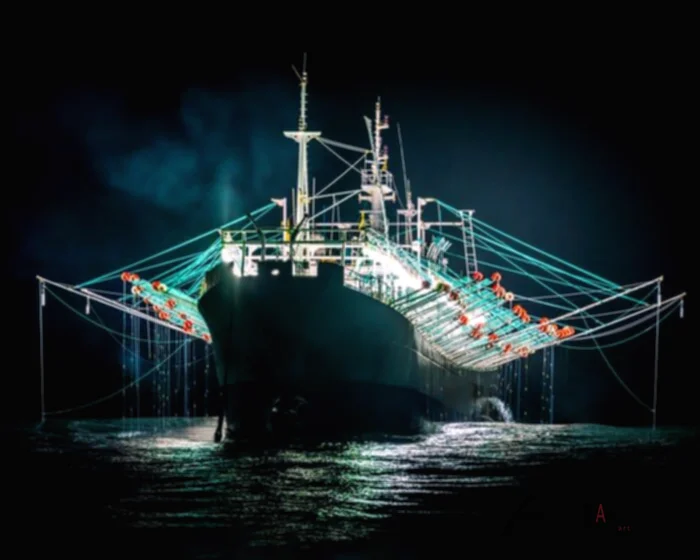
Super-Size Fleet of Squid Catchers Ravages Ocean Ecosystem
A super-size fleet of squid catchers is causing significant disruptions in marine ecosystems across the globe. The rapid expansion of these industrial fishing operations is threatening marine life, altering food chains, and raising concerns among scientists and environmentalists alike. As the demand for squid soars due to its popularity in global cuisine, the environmental cost of these operations is becoming increasingly evident.
The Rise of Industrial Squid Fishing
The global seafood market has seen a dramatic increase in the demand for squid over the past decade. This surge in popularity has led to the development of a super-size fleet of squid catchers, capable of harvesting vast quantities of squid from the world’s oceans. Countries such as China, Japan, and South Korea have emerged as leaders in this industry, deploying large numbers of vessels equipped with advanced fishing technology.
These fleets have expanded their operations into international waters, where regulations are often less stringent. Using techniques like jigging and purse seining, they can efficiently locate and capture large schools of squid. The sheer scale of these operations has prompted concerns about the sustainability of squid populations and the broader impact on marine ecosystems.
Environmental Impact of Overfishing
The environmental consequences of this super-size fleet of squid catchers are profound. Overfishing has the potential to deplete squid populations, which could have cascading effects throughout marine food webs. Squid play a crucial role in ocean ecosystems as both predators and prey. They are an important food source for a variety of marine species, including fish, seabirds, and marine mammals.
The removal of large numbers of squid from the ocean disrupts these food chains, potentially leading to declines in predator populations. Additionally, the intense competition for squid among fishing fleets can lead to bycatch, where non-target species are inadvertently caught and discarded. This further exacerbates the impact on marine biodiversity.
Technological Advancements in Squid Fishing
The efficiency of the super-size fleet of squid catchers is largely driven by technological advancements in fishing gear and techniques. Modern vessels are equipped with sophisticated sonar systems that can detect squid schools at great depths. High-powered lights are used to attract squid to the surface, making them easier to capture.
These technological innovations have increased the catch rates of squid fishing fleets, allowing them to harvest larger quantities in shorter periods. However, they also raise questions about the sustainability of these practices. The pressure to maximize catch sizes can lead to overexploitation, threatening the long-term viability of squid populations.
Regulatory Challenges and International Disputes
The expansion of the super-size fleet of squid catchers into international waters has created regulatory challenges and, in some cases, international disputes. The high seas are governed by a complex web of treaties and agreements, but enforcement is often weak. This allows some fleets to operate with little oversight, raising concerns about illegal, unreported, and unregulated (IUU) fishing.
Countries with significant squid fishing industries have been accused of violating maritime boundaries and engaging in IUU fishing. This has led to tensions between nations, as they compete for access to dwindling squid stocks. Efforts to establish more robust international regulations have been met with resistance from some quarters, highlighting the difficulties in achieving consensus on this issue.
Local Communities and Economic Implications
The expansion of the super-size fleet of squid catchers has economic implications for local communities that rely on squid fishing for their livelihoods. Small-scale fishers are often unable to compete with industrial fleets, which can capture vast quantities of squid more efficiently. This can lead to the marginalization of local fishers, who may struggle to maintain their traditional ways of life.
The economic impact extends beyond the fishing communities themselves. As squid populations decline due to overfishing, the availability of this resource diminishes, potentially leading to higher prices in the seafood market. This could have ripple effects across the global economy, affecting consumers and businesses alike.
Efforts to Promote Sustainable Practices
In response to the environmental and economic challenges posed by the super-size fleet of squid catchers, there have been efforts to promote more sustainable fishing practices. Organizations such as the Marine Stewardship Council and the Food and Agriculture Organization of the United Nations are working to develop guidelines for responsible squid fishing.
These initiatives aim to balance the needs of the fishing industry with the imperative to protect marine ecosystems. They advocate for measures such as catch limits, improved monitoring and enforcement, and the adoption of more selective fishing gear to reduce bycatch. While progress has been made, achieving widespread compliance remains a significant challenge.
A Call for Global Cooperation
Addressing the issues associated with the super-size fleet of squid catchers requires global cooperation. The interconnected nature of marine ecosystems means that actions taken by one country can have far-reaching impacts. International collaboration is essential to develop and implement effective management strategies that ensure the sustainability of squid populations and the health of the oceans.
Efforts to improve data collection and sharing, strengthen enforcement mechanisms, and promote transparency in the fishing industry are crucial components of this endeavor. By working together, governments, industry stakeholders, and conservation organizations can help to mitigate the negative impacts of industrial squid fishing and preserve the biodiversity of our oceans for future generations.