Why Venezuelas Oil Is Valuable to Trump A Sticky Situation Explai
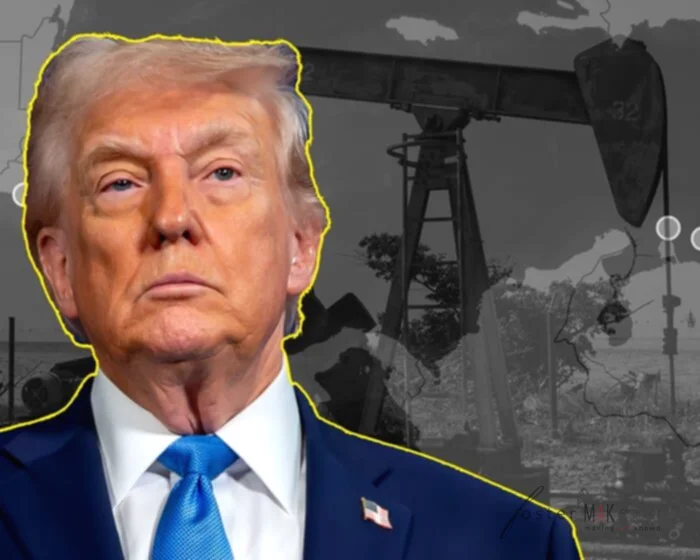
In the realm of geopolitics and energy markets, one phrase has been drawing significant attention: Venezuelas oil valuable to Trump. As the global demand for energy continues to rise and political landscapes shift, the oil reserves in Venezuela have captured the interest of former President Donald Trump and other key international players. The intricate dynamics of this relationship highlight the strategic importance of Venezuela’s oil in shaping U.S. foreign policy and energy strategy.
The Vast Reservoirs of Venezuelan Oil
Venezuela boasts the largest proven oil reserves in the world, surpassing even Saudi Arabia. According to OPEC, the South American nation holds approximately 300 billion barrels of oil. This vast reservoir is primarily located in the Orinoco Belt, a deposit of extra-heavy crude oil that presents both opportunities and challenges for extraction and refinement. The sheer volume of this resource makes Venezuela a significant player in the global oil market. However, political instability and economic mismanagement have hindered the country’s ability to fully exploit its oil potential.
Geopolitical Implications of Venezuelan Oil
The geopolitical implications of Venezuelan oil cannot be understated. As a non-renewable resource, oil is a key factor in global power dynamics. Control over oil reserves translates into significant economic and political leverage. For the United States, having access to Venezuelan oil provides an opportunity to diversify its energy sources and reduce dependence on Middle Eastern oil. The Trump administration’s interest in Venezuelan oil was driven by a strategic desire to secure energy resources close to home and to exert influence over a region traditionally within the U.S. sphere of influence.
Venezuelas Oil Valuable to Trump Administration
During his tenure, Donald Trump expressed keen interest in Venezuela’s oil reserves. This interest was not merely economic but also political. The Trump administration viewed the Venezuelan government, led by President Nicolás Maduro, as an adversary aligned with anti-American regimes and ideologies. By targeting Venezuela’s oil sector, Trump aimed to weaken Maduro’s grip on power and support opposition forces within the country. Sanctions were imposed on Venezuela’s state-run oil company, PDVSA, to cut off the Maduro government from its primary source of revenue.
Economic Sanctions and Their Impact
The economic sanctions imposed by the Trump administration were designed to pressure the Maduro regime into democratic reforms. These sanctions targeted not only PDVSA but also restricted the ability of U.S. companies to engage in oil transactions with Venezuela. The impact was significant. Venezuela’s oil production plummeted, exacerbating an already dire economic crisis within the country. While these measures aimed to destabilize the Maduro government, they also affected the global oil market by limiting the supply of Venezuelan crude.
Venezuelas Oil Valuable to Trump in Broader Economic Strategy
Beyond exerting political pressure, the Trump administration viewed Venezuela’s oil as part of a broader economic strategy. The U.S. under Trump sought to capitalize on its growing role as an energy superpower. By restricting Venezuelan oil, the administration aimed to boost the competitiveness of American oil exports. With the U.S. becoming the world’s largest oil producer due to the shale revolution, reducing Venezuelan oil on the market could potentially lead to higher prices for American crude. This strategy would align with Trump’s
America First
policy, prioritizing U.S. economic interests.
The Role of International Alliances
Navigating the complexities of Venezuelan oil required deft handling of international alliances. While the U.S. imposed sanctions, other countries, notably Russia and China, continued to engage with Venezuela. These nations provided financial and logistical support to the Maduro government, complicating U.S. efforts to isolate Venezuela economically. Additionally, the global nature of the oil market meant that any fluctuations in Venezuelan production could have ripple effects worldwide. The Trump administration’s approach required balancing sanctions with diplomatic efforts to maintain alliances and prevent adversaries from gaining a foothold in the Western Hemisphere.
Venezuelas Oil Valuable to Trump in Strategic Energy Diplomacy
The strategic importance of Venezuelan oil extended to energy diplomacy. The Trump administration engaged in talks with other oil-producing nations to mitigate the impact of Venezuelan sanctions on the global market. Cooperation with OPEC and non-OPEC countries was essential to stabilize oil prices and ensure a steady supply. The U.S. also explored alternatives to Venezuelan oil by increasing domestic production and seeking new sources of energy imports. This multifaceted approach underscored the complexity of integrating energy policy with foreign relations.
Challenges in Achieving Policy Goals
Despite the strategic intent, the Trump administration faced significant challenges in achieving its policy goals regarding Venezuelan oil. The Maduro government proved resilient, maintaining power despite economic hardships. The humanitarian impact of the sanctions drew criticism from international observers, who argued that the measures disproportionately affected the Venezuelan population. Moreover, the complex nature of extracting and refining Venezuelan crude posed logistical challenges, requiring significant investment and technology that were curtailed by sanctions.
Venezuelas Oil Valuable to Trump in Shaping Future Policies
The importance of Venezuelan oil continues to influence U.S. policy even beyond Trump’s presidency. The Biden administration inherited the complex situation, facing decisions on whether to maintain or adjust sanctions. The ongoing crisis in Venezuela remains a focal point of U.S. foreign policy, with debates on the best approach to support democratic reforms and address humanitarian concerns. The legacy of Trump’s policies on Venezuelan oil provides lessons for future administrations in balancing economic interests with ethical considerations.
The Global Context of Energy Security
The story of Venezuelan oil is a microcosm of broader global energy security concerns. As nations grapple with the transition to renewable energy sources, the strategic value of oil remains significant. The geopolitical stakes associated with oil reserves like those in Venezuela continue to shape international relations. For the United States, securing energy resources and supporting stable political environments in oil-rich regions are critical components of national security strategy.
The intricate interplay between energy policy and geopolitics exemplified by the situation in Venezuela underscores the complexity of modern international relations. The Trump administration’s focus on Venezuelan oil highlights the multifaceted nature of leveraging energy resources as a tool of statecraft in a rapidly changing world.