Divided Fed Considers US Interest-Rate Cut Amid Uncertainty
In a significant development that could ripple across the global financial markets, the United States Federal Reserve is contemplating a US interest-rate cut. This potential shift in monetary policy comes amidst a backdrop of economic uncertainty and mixed signals from various sectors. As debates intensify within the Federal Reserve and among economic experts, the implications of such a decision remain closely watched by investors, policymakers, and businesses worldwide.
Federal Reserve’s Internal Debate
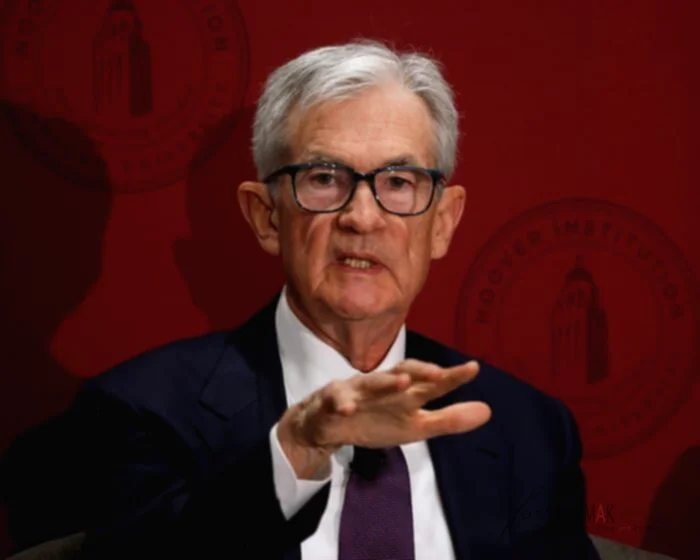
The Federal Reserve, often referred to as the Fed, stands divided over the prospect of an interest-rate cut. This division highlights the complexity of the current economic landscape, where traditional indicators do not present a unified narrative. Some members of the Federal Open Market Committee (FOMC) argue that a rate cut is necessary to preempt a possible recession and stimulate economic growth. They point to slowing job growth, declining manufacturing output, and trade uncertainties as reasons for concern.
On the other hand, a faction within the Fed remains cautious. These members emphasize that the labor market remains robust with low unemployment rates and that consumer spending, a key driver of the US economy, has shown resilience. They warn that lowering interest rates prematurely might overheat certain sectors, potentially leading to asset bubbles.
Economic Indicators Sending Mixed Signals
The economic indicators present a mixed bag, complicating the Fed’s decision-making process. Recent data shows a slowdown in job creation compared to the previous year. Although the unemployment rate remains at historic lows, wage growth has been inconsistent, causing concern among economists about consumer purchasing power.
Manufacturing, traditionally a bellwether for economic health, has shown signs of contraction. The ongoing trade tensions with major partners, particularly China, have disrupted supply chains, leading to reduced output in some industries. Conversely, the service sector has continued to expand, and consumer confidence, although slightly diminished, remains relatively strong.
Global Context and Trade Tensions
The global economic context adds another layer of complexity to the Fed’s considerations. The International Monetary Fund (IMF) has revised down its global growth forecasts, citing trade tensions and geopolitical uncertainties. The US-China trade conflict, in particular, has introduced volatility in markets, affecting business investment decisions and economic forecasts.
In Europe, sluggish growth and Brexit-related uncertainties have posed additional challenges. Central banks in Europe and Asia are also adjusting their monetary policies, with some adopting negative interest rates to spur growth. This international backdrop puts pressure on the Fed to ensure that US monetary policy is competitive and supports the domestic economy.
Possible Impacts of a US Interest-Rate Cut
Boosting Economic Activity
A US interest-rate cut would likely lower borrowing costs for consumers and businesses. This could encourage spending and investment, providing a much-needed boost to economic activity. Lower rates would make credit cheaper, benefiting sectors like housing and automotive sales, which rely heavily on financing. For businesses, reduced borrowing costs could lead to increased capital expenditure, fostering innovation and expansion.
Currency and Inflation Considerations
Interest rate adjustments also impact currency values. A rate cut could weaken the US dollar, making American exports more competitive abroad. This could help offset some of the negative impacts of the trade war by boosting export-driven industries.
However, a weaker dollar could lead to higher import prices, contributing to inflationary pressures. The Fed must balance the need to stimulate the economy with the risk of inflation, which could erode purchasing power and negate some of the benefits of a rate cut.
Voices from the Market: Investors and Analysts Weigh In
Investors and market analysts are closely monitoring the Fed’s moves. The financial markets have already priced in expectations for a rate cut, with stock indices showing volatility as speculation mounts. Analysts suggest that a rate cut could lead to a short-term rally in equity markets, but caution that such gains might be tempered by underlying economic weaknesses.
Bond markets have also reacted, with yields on government securities falling as investors anticipate lower rates. This environment has led to an inverted yield curve, a phenomenon often viewed as a precursor to a recession. The Fed’s decision is thus critical in shaping market expectations and maintaining confidence.
Political and Public Reactions
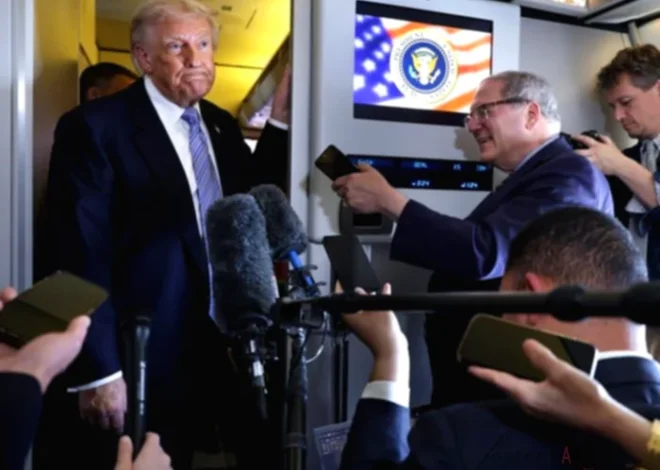
The potential US interest-rate cut has not only economic but also political ramifications. President Donald Trump has been vocal in his criticism of the Fed, advocating for a more aggressive rate-cutting strategy to bolster the economy. His calls resonate with some business groups and consumer advocates who seek lower borrowing costs.
However, there is also a segment of the public and some lawmakers who remain skeptical. They argue that the Fed should maintain its independence and base decisions solely on economic data rather than political pressure. The debate over the Fed’s autonomy and its role in economic management continues to be a contentious issue.
Historical Context: Learning from Past Rate Adjustments
Historically, the Fed’s rate decisions have been pivotal in navigating economic cycles. During the 2008 financial crisis, the Fed slashed interest rates to near zero, a move credited with helping stabilize the economy. However, critics argue that prolonged low rates contributed to asset bubbles and increased financial risks.
The current situation draws parallels to past periods of economic uncertainty, where the Fed had to weigh the benefits of stimulating growth against the risks of inflation and financial instability. As the Fed considers its next move, lessons from history provide valuable insights into the potential outcomes of a rate cut.
Looking Ahead: The Road to the Next Fed Meeting
As the date for the next FOMC meeting approaches, all eyes are on the Fed’s deliberations. Economists and policymakers worldwide are eager to see how the Fed will address the complex interplay of domestic and international factors influencing the US economy. The decision on whether to implement a US interest-rate cut will be a crucial indicator of the Fed’s outlook on growth, inflation, and financial stability in the coming months.