Germanys Dying Forests A New Planting Method to Rescue CO2 Absorp
Germanys dying forests have become an urgent environmental issue, capturing the attention of policymakers, scientists, and the public alike. The once-thriving woodlands that cover nearly a third of the country are now under severe threat from various environmental stressors, including climate change, pests, and pollution. As these vital ecosystems struggle, a new planting method is emerging as a potential solution to enhance CO2 absorption and rejuvenate the forests.
The Crisis Facing Germany’s Forests
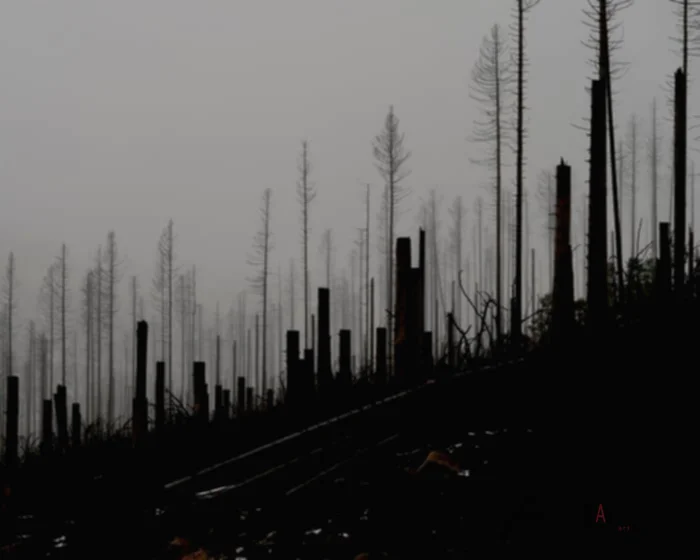
The situation in Germany’s forests has reached a critical point. Over the past few years, the forests have been increasingly plagued by droughts, which have weakened trees and made them more susceptible to infestations by pests such as the bark beetle. The German Federal Ministry of Food and Agriculture reported that in 2022, approximately 277,000 hectares of forest area were damaged, primarily due to these factors. This represents a significant increase in forest degradation compared to previous years.
The impact on Germany’s forests is not only an environmental catastrophe but also an economic one. The forestry sector, which contributes significantly to the national economy, is experiencing declines in productivity and revenue. Additionally, forests play a crucial role in carbon sequestration, which is essential for mitigating climate change. As trees die and decompose, they release stored carbon back into the atmosphere, exacerbating the very problem they are meant to combat.
Innovative Approaches to Forest Restoration
In light of the urgent need to address the crisis facing Germany’s dying forests, scientists and environmentalists are exploring innovative approaches to forest restoration. One promising method is the adoption of mixed-species planting. This approach involves planting a diverse range of tree species in a single area, rather than monocultures of a single species. The diversity in species can enhance forest resilience to pests and diseases, as well as improve soil health and water retention.
Mixed-species planting has shown positive results in pilot projects across Germany. In the Harz Mountains, for example, a forest restoration project is underway that incorporates a variety of native and non-native tree species. Early findings suggest that these mixed forests are better equipped to withstand environmental stressors and continue to absorb CO2 effectively.
The Role of Technology in Forest Management
Technology is playing an increasingly important role in addressing the challenges faced by Germany’s forests. Advanced remote sensing technologies, such as satellite imagery and drones, are being utilized to monitor forest health and detect early signs of stress or pest infestations. These tools allow for timely interventions that can prevent further damage.
Moreover, innovations in genetic engineering and biotechnology are being explored to develop tree species that are more resilient to climate change and pests. While there is ongoing debate about the use of genetically modified organisms in forests, proponents argue that such technologies could provide crucial support in the fight to save Germany’s dying forests.
Community Involvement and Policy Support
Community involvement is essential in the efforts to restore Germany’s forests. Local communities, including landowners and forest managers, are being encouraged to participate in restoration projects and adopt sustainable forestry practices. Educational programs are being implemented to raise awareness about the importance of forest conservation and the role individuals can play in protecting these vital ecosystems.
Policy support is also crucial for the success of forest restoration initiatives. The German government has introduced several measures to support forest owners in reforestation efforts. These include financial incentives for planting diverse tree species and funding for research into new forestry methods. However, environmentalists argue that more comprehensive policies and increased funding are necessary to address the scale of the crisis effectively.
Germanys Dying Forests Demand Urgent Action
Germanys dying forests are a stark reminder of the broader environmental challenges facing the world today. As these ecosystems continue to decline, the urgency for action becomes increasingly apparent. The new planting methods and technological advancements offer hope for the future, but they require widespread adoption and support to be successful.
Addressing the crisis in Germany’s forests is not only about preserving biodiversity and natural beauty but also about safeguarding the planet’s ability to absorb CO2 and mitigate climate change. The international community is watching closely, as the lessons learned from Germany’s experience could inform global efforts to restore and protect forests worldwide.