Labour energy risks despite record wind gains
The United Kingdom’s energy sector is witnessing an unprecedented era of transformation with record gains in wind energy production. However, the triumphs in renewable energy come with their own set of challenges. Labour energy risks are emerging as a critical concern amidst these advancements. As the nation increasingly relies on renewable sources to meet its energy needs, questions around the sustainability of this transition and its impact on the workforce have come into sharp focus.
Wind Energy’s Remarkable Growth
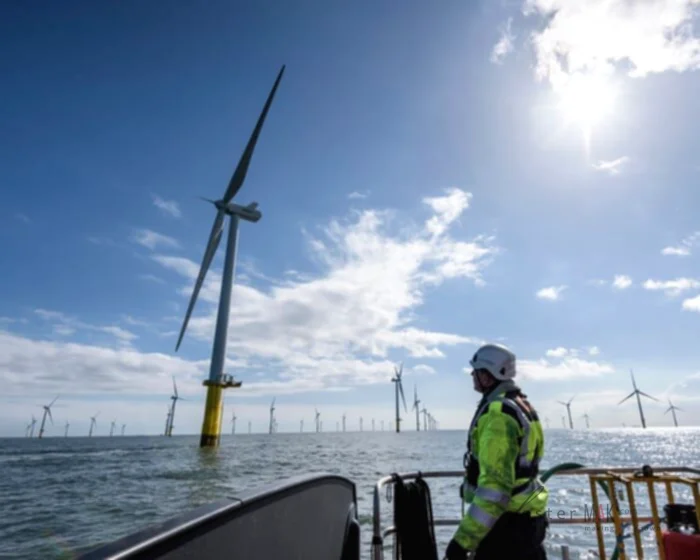
In recent years, the UK has seen a significant surge in wind energy production. According to the latest figures from the Department for Business, Energy & Industrial Strategy, wind power now accounts for nearly 25% of the country’s electricity needs. This achievement is largely attributed to the expansion of offshore wind farms which have capitalized on the UK’s geographical advantages. The Hornsea Project One and Two, located off the Yorkshire coast, are among the largest offshore wind farms in the world and have played a significant role in this growth.
The government’s commitment to achieving net-zero carbon emissions by 2050 has further spurred investment in renewable energy. Offshore wind energy in particular has been identified as a cornerstone of the UK’s green energy strategy. This focus has led to the establishment of new facilities and the upgrading of existing ones to enhance production capacity. The employment opportunities generated by these developments are substantial, yet they also introduce complexities that require careful management.
Labour Energy Risks: Challenges in Transition
As the wind energy sector expands, labour energy risks present a formidable challenge. The transition to renewable energy is not just a technological shift but also a societal one that affects employment patterns across the industry. Traditional energy industries such as coal and natural gas have experienced a decline in job opportunities, leading to concerns about job losses and the need for workforce retraining.
The skills gap is a significant issue. Many workers in traditional energy sectors possess skills that are not directly transferable to the renewable energy industry. This mismatch necessitates substantial investment in training and development to equip the workforce with the necessary skills for the future. Furthermore, the geographical concentration of renewable energy projects, particularly offshore wind farms, poses logistical challenges as workers may need to relocate or commute long distances, impacting their livelihoods and communities.
Policy and Economic Implications
The government has introduced several initiatives to address these labour energy risks. The Green Jobs Taskforce, established in 2020, aims to support the creation of two million green jobs by 2030. This initiative focuses on identifying the skill sets required for the green economy and ensuring that educational and vocational training programs align with industry needs. However, critics argue that the pace of implementation needs to be accelerated to keep up with the rapid expansion of the renewable sector.
Economic implications of these labour energy risks are also significant. The shift to renewable energy may initially lead to higher costs for energy companies as they invest in new technologies and infrastructure. These costs could potentially be passed on to consumers, raising concerns about energy affordability. Furthermore, the transition could disrupt local economies that are heavily reliant on traditional energy industries, leading to economic instability in those areas.
Labour Energy Risks in a Global Context
The UK is not alone in facing labour energy risks as it transitions to renewable energy. Countries around the world are grappling with similar challenges as they strive to reduce carbon emissions and embrace sustainable energy solutions. International collaboration and knowledge sharing are crucial in addressing these issues effectively. By learning from each other’s experiences, countries can develop strategies that mitigate the negative impacts of the energy transition on the workforce.
Moreover, global supply chain dynamics also play a role in labour energy risks. The production and installation of wind turbines and other renewable energy technologies often involve international partnerships. This global interconnectedness requires a coordinated approach to ensure that labour standards are upheld and that workers’ rights are protected across borders.
The Future of the Workforce in Renewable Energy
The future of the workforce in renewable energy is intrinsically linked to how labour energy risks are managed today. As the sector continues to grow, there is a pressing need for comprehensive strategies that address workforce challenges holistically. This includes not only reskilling and upskilling initiatives but also measures that support workers during the transition period, such as income support and job placement services.
Public and private sector collaboration is essential in fostering a resilient workforce. Companies within the renewable energy industry have a pivotal role to play in providing training opportunities and investing in workforce development. Simultaneously, government policies must incentivize and support such initiatives to ensure their success.
Addressing Labour Energy Risks in Wind Energy
The wind energy sector, despite its impressive achievements, must proactively address labour energy risks to ensure a sustainable future. Stakeholders across the industry are called to collaborate in developing solutions that prioritize both environmental and social sustainability. By fostering an inclusive approach that considers the needs of workers, the sector can set a precedent for other industries undergoing energy transitions.
In conclusion, while the UK’s record gains in wind energy mark a significant milestone in its journey towards a greener future, they also highlight the pressing need to address labour energy risks. The decisions made today will have far-reaching implications for the energy workforce of tomorrow.