Chilean Presidents Catastrophe Declaration Amid Deadly Wildfires
In a dramatic response to a series of devastating wildfires, the Chilean president declares a state of catastrophe, underscoring the severity of the crisis that has engulfed several regions of the country. The decision comes after days of relentless fires that have destroyed vast areas of forest, threatened homes, and displaced thousands of residents. This move allows for the mobilization of additional resources, including military support, to combat the fires and assist affected communities.
A Nation on Fire: The Scale of the Wildfires
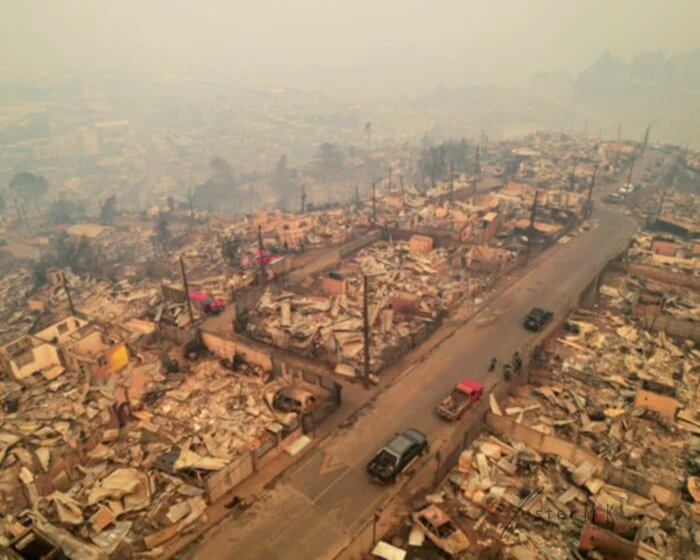
The wildfires, which began earlier this month, have swiftly spread across the central and southern parts of Chile, fueled by high temperatures, strong winds, and dry conditions. The flames have consumed thousands of acres of land, turning lush forests and grasslands into charred remnants. The smoke from the fires has blanketed several cities, leading to hazardous air quality levels and health warnings for vulnerable populations.
The regions of Biobío, Ñuble, and Araucanía have been the hardest hit, with emergency services struggling to contain the blazes. Efforts to douse the fires have been hampered by the challenging terrain and the sheer scale of the outbreaks. Firefighters, many of whom are volunteers, have been working around the clock alongside local residents in a desperate bid to save homes and livelihoods.
Chilean President Declares State of Catastrophe
The announcement that the Chilean president declares a state of catastrophe is a pivotal moment in the national response to the wildfires. This declaration empowers the government to allocate more resources to firefighting efforts and facilitates international aid. It also enables the military to assist in evacuation efforts and provide logistical support, such as transportation and the distribution of supplies to affected areas.
President Gabriel Boric, addressing the nation, emphasized the gravity of the situation and the need for unity and resilience in the face of adversity.
Our priority is to ensure the safety of our citizens and to protect our natural resources,
he stated, urging Chileans to heed evacuation orders and cooperate with emergency services.
The Human Toll: Evacuations and Displacements
As the fires rage on, the human toll is becoming increasingly apparent. Thousands of people have been forced to evacuate their homes, seeking refuge in temporary shelters set up by local authorities. Schools, community centers, and sports halls have been converted into makeshift accommodations for those displaced by the fires.
The psychological impact of the crisis is profound, with many residents expressing anxiety and uncertainty about the future.
We left with nothing but the clothes on our backs,
said one evacuee, recounting the harrowing experience of fleeing her home as flames closed in.
We don’t know if we will have a house to return to.
Local government officials are coordinating with humanitarian organizations to provide food, water, and medical supplies to those affected. Meanwhile, efforts are underway to assess the damage and plan for long-term recovery and rebuilding.
Environmental Impact: A Scarred Landscape
The environmental consequences of the wildfires are expected to be long-lasting. Chile’s unique ecosystems, which are home to diverse plant and animal species, have suffered extensive damage. The fires have destroyed habitats and disrupted the balance of these ecosystems, raising concerns about biodiversity loss and ecological recovery.
In addition to the immediate destruction, the fires contribute to climate change by releasing significant amounts of carbon dioxide into the atmosphere. This exacerbates the global climate crisis and increases the frequency and intensity of such natural disasters in the future.
Environmental organizations are calling for increased investment in forest management and fire prevention strategies to mitigate the impact of future wildfires. They emphasize the importance of sustainable land use practices and community involvement in conservation efforts.
International Response: Global Solidarity
The international community has responded swiftly to Chile’s plight, offering support and resources to aid in the firefighting efforts. Several countries have pledged assistance, including the deployment of specialized firefighting teams and equipment. Aircraft equipped with water-carrying capabilities have been dispatched to help control the fires from the air.
Global humanitarian organizations are also stepping in, providing financial aid and supplies to support relief efforts on the ground. This international solidarity underscores the shared responsibility in addressing the challenges posed by climate change and natural disasters.
The Road Ahead: Recovery and Resilience
As Chile grapples with the immediate challenges posed by the wildfires, attention is also turning to the longer-term task of recovery and rebuilding. The government is prioritizing efforts to restore infrastructure and provide support to affected communities. Plans are being developed to rebuild homes and restore essential services to facilitate a return to normalcy for displaced residents.
In the wake of this catastrophe, there is a renewed focus on building resilience to future natural disasters. The Chilean government is exploring strategies to enhance preparedness and response capabilities, including improved early warning systems and community education programs.
The wildfires have also spurred a national conversation about climate change and environmental stewardship. Policymakers, scientists, and activists are calling for a comprehensive approach to address the underlying causes of such disasters and to promote sustainable development practices.
Community Spirit: A Beacon of Hope
Amid the devastation, stories of community spirit and solidarity have emerged as a beacon of hope. Volunteers from across the country have rallied to support firefighting efforts and provide assistance to those in need. Local businesses and organizations are donating supplies and resources to aid in the relief efforts.
The resilience and determination of the Chilean people are evident as they come together to confront this crisis. Despite the challenges, there is a sense of optimism and a commitment to rebuilding stronger and more sustainably.
The declaration that the Chilean president declares a state of catastrophe marks a critical juncture in the nation’s response to the wildfires. As the country navigates the path to recovery, the lessons learned from this crisis will shape its approach to future challenges, reinforcing the importance of preparedness, resilience, and global cooperation.