Minneapolis Rallies Against Trumps Aggressive ICE Crackdown Polic
In a city known for its diverse communities and vibrant cultural tapestry, Minneapolis is now at the center of a heated national debate. The controversy stems from Trump’s ICE crackdown in Minneapolis, an aggressive policy that has sparked widespread protests and intensified discussions about immigration enforcement in the United States. This initiative, part of a broader national strategy under the Trump administration, has significant implications for the city’s immigrant population and has mobilized activists, community leaders, and residents in unprecedented ways.
A City on Edge: The Impact of Immigration Enforcement
The city of Minneapolis has long been recognized as a welcoming place for immigrants, with a large population of Somali, Latino, and Hmong communities. However, Trump’s ICE crackdown in Minneapolis has created an atmosphere of fear and uncertainty. Since the implementation of this policy, there has been a noticeable increase in Immigration and Customs Enforcement (ICE) operations throughout the city. These operations have led to the detention and deportation of many individuals, often separating families and causing distress within immigrant neighborhoods.
Local residents report a palpable sense of unease, as ICE agents conduct raids at homes, workplaces, and even public spaces. This enhanced enforcement has disrupted daily life for many, affecting not only those directly targeted but also their friends and neighbors. The psychological impact of living in constant fear of detention is profound, with many immigrants avoiding public places and limiting their interactions outside their immediate communities.
Community Response: Protests and Advocacy
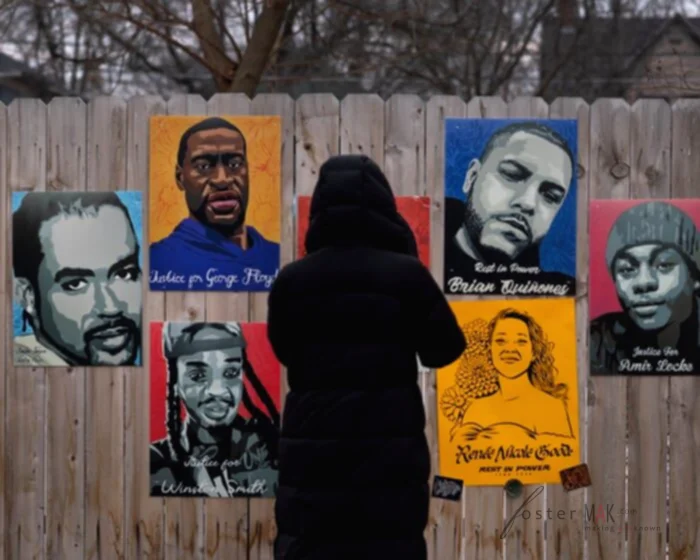
In response to this crackdown, Minneapolis has seen a surge in activism. Community organizations and advocacy groups have been at the forefront of efforts to resist the policy and support affected individuals. Large-scale protests have been organized, drawing hundreds of participants who march through the streets of Minneapolis chanting slogans and carrying signs demanding an end to the aggressive ICE actions.
These protests are not just isolated events but part of a larger movement that seeks to protect immigrant rights. Organizations such as the Minnesota Immigrant Rights Action Committee (MIRAC) and the American Civil Liberties Union (ACLU) have been instrumental in mobilizing citizens and providing legal assistance to those impacted by ICE operations. Their efforts aim to raise awareness and pressure local and national leaders to reconsider the current approach to immigration enforcement.
Local Leadership’s Stance on Trump’s ICE Crackdown in Minneapolis
Minneapolis city officials have also weighed in on the issue, with many expressing their opposition to the federal government’s approach. Mayor Jacob Frey has been vocal about his disapproval of the policies and has called for Minneapolis to be a sanctuary city, offering protections to undocumented immigrants. The city council has echoed these sentiments, passing resolutions to limit local law enforcement’s cooperation with ICE.
The local leadership’s stance reflects a broader commitment to upholding the values of inclusivity and diversity. By standing against the ICE crackdown, city officials aim to reassure immigrant communities that they are valued members of Minneapolis, deserving of protection and support. However, this position has also drawn criticism from some quarters, including elected officials and residents who argue for stricter immigration controls.
Trump’s ICE Crackdown in Minneapolis: A Divisive Policy
The policy has sparked intense debate not only within Minneapolis but also on a national level. Proponents of the crackdown argue that it is a necessary measure to ensure national security and uphold the rule of law. They claim that strict enforcement of immigration laws is essential to deter illegal immigration and protect American jobs.
Conversely, critics of Trump’s ICE crackdown in Minneapolis highlight the human cost of such measures. They argue that the policy is overly harsh and disproportionately affects vulnerable populations. Moreover, opponents assert that the focus should be on comprehensive immigration reform that addresses the root causes of migration rather than punitive measures that target individuals already living in the U.S.
Grassroots Efforts and Legal Challenges
Beyond street protests and political statements, grassroots efforts have emerged as a crucial component of the resistance to ICE operations. Community groups have established rapid response networks to provide immediate assistance during ICE raids, including legal support and temporary shelter for those affected. These networks are often coordinated through social media and community meetings, reflecting a grassroots approach to combating the crackdown.
Legal challenges have also been mounted against the policy, with several cases making their way through the courts. Civil liberties organizations have filed lawsuits challenging the legality of certain ICE practices, arguing that they violate constitutional rights. While some cases have seen success in delaying deportations or securing the release of detainees, the legal battle remains ongoing, with significant implications for future immigration policies.
Trump’s ICE Crackdown in Minneapolis: The Path Forward
As the situation continues to unfold, the focus remains on finding a path forward that balances enforcement with compassion. Many advocates are calling for a reevaluation of immigration policies at the federal level, emphasizing the need for reforms that recognize the contributions of immigrants while addressing security concerns. This includes proposals for pathways to citizenship for undocumented immigrants and more humane approaches to enforcement.
In Minneapolis, the response to Trump’s ICE crackdown has galvanized a community that is determined to stand in solidarity with its immigrant residents. The city’s experience serves as a microcosm of the national debate on immigration, highlighting the complexities and challenges of crafting policies that reflect the diverse realities of American communities. As activists, local leaders, and residents continue to push for change, the outcome of this struggle will likely have far-reaching implications for the future of immigration policy in the United States.