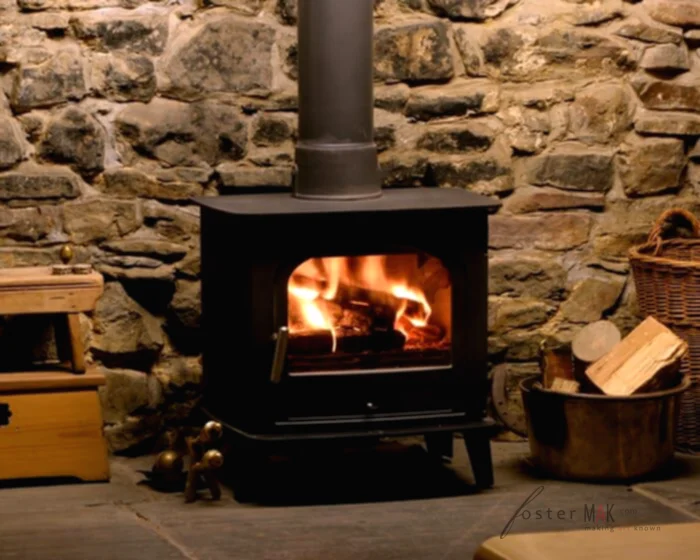
UK to Introduce Health Warnings on Wood-Burning Stoves
In a significant move aimed at addressing environmental and health concerns, the United Kingdom is set to introduce health warnings on wood-burning stoves. The decision follows mounting evidence linking the use of these stoves to air pollution and respiratory issues. This initiative forms part of a broader strategy to improve air quality across the nation and reduce health risks associated with indoor air pollutants.
Government’s New Directive on Wood-Burning Stoves
The UK government has long been under pressure from environmental groups and health experts to tackle the issue of air pollution. Wood-burning stoves, traditionally seen as a cozy and sustainable heating option, have come under scrutiny for their role in contributing to particulate matter in the air. These particles, which can penetrate deep into the lungs, are known to exacerbate conditions such as asthma and other respiratory illnesses.
The directive will require manufacturers to include health warnings on new wood-burning stoves, much like those found on cigarette packets. These warnings will inform consumers about the potential risks to health and the environment posed by stove emissions. The move follows similar initiatives in countries like Norway and Sweden, where efforts to reduce air pollution are already underway.
The Impact of Wood-Burning Stoves on Air Quality
Recent studies have highlighted the environmental impact of wood-burning stoves, particularly in urban areas. According to research conducted by King’s College London, domestic wood burning is a major source of fine particulate matter, known as PM2.5, in the city. PM2.5 is a significant pollutant that poses serious health risks, including heart disease and lung cancer.
The Department for Environment, Food and Rural Affairs (DEFRA) has acknowledged the role of wood-burning stoves in urban air pollution. In light of this, they have been working on stricter regulations to curb emissions. These include promoting the use of cleaner fuels, enhancing stove efficiency, and encouraging the installation of filters that reduce harmful emissions.
Understanding the New Wood-Burning Stoves Health Warnings
The new health warnings on wood-burning stoves are designed to increase public awareness about the potential health risks associated with their use. The warnings will include information on how stove emissions can contribute to indoor and outdoor air pollution and the potential health effects on individuals, particularly children and the elderly.
The initiative aims to educate consumers about the importance of proper stove maintenance and the selection of appropriate fuels. For instance, burning dry, seasoned wood produces fewer emissions compared to unseasoned or damp wood. Additionally, the warnings will encourage the use of modern, efficient stoves that comply with new environmental standards.
Industry Response and Adaptation
The wood-burning stove industry is poised to adapt to these new regulations. Manufacturers have expressed their willingness to comply with the government’s directives, citing a commitment to environmental responsibility and consumer safety. However, there are concerns about the financial implications of these changes, particularly for smaller businesses.
Some manufacturers have already begun investing in research and development to produce stoves with lower emissions. These innovations include advanced combustion technologies and improved materials that enhance efficiency and reduce particulate output. Industry leaders believe that these efforts will not only help meet regulatory requirements but also appeal to environmentally conscious consumers.
Public Reaction to the Health Warnings Initiative
Public opinion on the introduction of health warnings on wood-burning stoves is mixed. Environmentalists and public health advocates have welcomed the move as a necessary step towards cleaner air and improved public health. They argue that the warnings will play a crucial role in changing consumer behavior and reducing the prevalence of wood burning in densely populated areas.
On the other hand, some members of the public express concern over the potential impact on traditional lifestyles, especially in rural areas where wood burning is a common and economical heating method. Critics argue that the government should provide more support to help these communities transition to cleaner heating alternatives.
The Role of Local Authorities in Implementing the New Regulations
Local authorities will play a key role in the implementation of the new regulations surrounding wood-burning stoves. They will be responsible for ensuring compliance with health warning requirements and providing guidance to residents on best practices for stove use. Additionally, local councils are expected to promote awareness campaigns to educate the public about the health and environmental impacts of wood burning.
Some councils are already taking proactive measures to address air quality issues. For example, the Mayor of London has introduced a program to reduce emissions from wood-burning stoves by promoting cleaner alternatives and providing financial incentives for households to upgrade their heating systems.
Future Implications for Air Quality and Public Health
The introduction of health warnings on wood-burning stoves marks an important step in the UK’s efforts to combat air pollution and protect public health. While the full impact of the initiative remains to be seen, it is expected to contribute to a gradual decline in wood burning and a corresponding improvement in air quality.
Health experts believe that reducing exposure to air pollutants from wood-burning stoves will lead to significant public health benefits. By decreasing the prevalence of respiratory illnesses and other pollution-related diseases, the initiative could result in reduced healthcare costs and improved quality of life for millions of UK residents.
Addressing Broader Environmental Challenges
While the focus on wood-burning stoves is a crucial part of the UK’s strategy to improve air quality, it is only one component of a broader environmental agenda. The government is also working to address other sources of air pollution, such as vehicle emissions and industrial activities.
Efforts to combat climate change are closely linked to air quality initiatives. By promoting cleaner energy sources and reducing reliance on fossil fuels, the UK aims to achieve its climate goals while simultaneously improving public health outcomes.
The introduction of health warnings on wood-burning stoves represents a significant policy shift that underscores the government’s commitment to environmental and public health. As the nation moves towards a cleaner, healthier future, continued collaboration between policymakers, industry stakeholders, and the public will be essential in achieving these ambitious goals.