
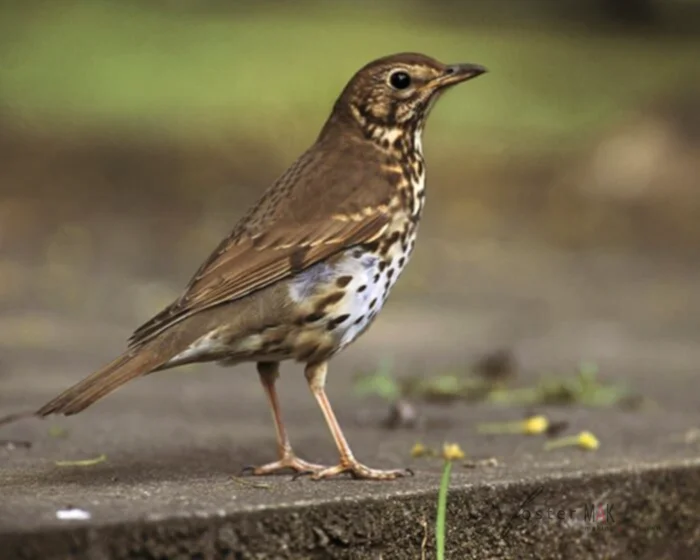
European cold snap increases bird migration to the UK
A recent sharp decline in temperatures across Europe has led to a significant increase in bird migration to the UK. The cold snap increases bird migration as various species are driven to seek milder climates to survive the harsh winter conditions. Experts in ornithology are observing unusual patterns this year, with some species arriving earlier and in larger numbers than in previous years.
Unprecedented Weather Conditions in Europe
Europe has been experiencing an unusually early and intense cold snap, with temperatures plunging well below average for this time of year. This abrupt weather change has affected not only human activities but also the natural patterns of wildlife, particularly birds. Meteorologists attribute the cold conditions to a shift in the jet stream, which has allowed arctic air to sweep across the continent, bringing frost and snow to many regions.
The early onset of winter conditions has created an urgent need for birds to migrate to areas where food is more accessible and temperatures are less severe. Consequently, the UK has seen an influx of migratory birds seeking refuge from the frigid weather conditions in mainland Europe.
Cold Snap Increases Bird Migration to the UK
The cold snap increases bird migration as birds are forced to adapt quickly to the changing environment. This year’s migration patterns are notable for the sheer volume and diversity of species making their way to the UK. Birdwatchers and conservationists have reported sightings of species that are not typically seen in such numbers until later in the season.
Among the early arrivals are thrushes, redwings, and fieldfares, which have been spotted in large flocks across the British countryside. These birds, which breed in Scandinavia and Eastern Europe, are usually prompted to move by the first signs of snow and frost. However, the current weather conditions have accelerated their journey, bringing them to the UK much sooner than anticipated.
Impact on Local Ecosystems
The influx of migratory birds into the UK has a profound impact on local ecosystems. While some may view the arrival of these birds as a boon for biodiversity, it presents challenges for native species. The sudden increase in bird populations can lead to competition for food resources, particularly in areas where natural food supplies are already diminished due to the colder weather.
Conservationists are keeping a close watch on the situation to ensure that native bird populations are not adversely affected by the influx of migrants. Efforts are being made to supplement food sources in key areas to help both resident and migratory birds survive the winter months.
The Role of Conservation Efforts
Conservation organizations across the UK are mobilizing to support the newly arrived birds. The Royal Society for the Protection of Birds (RSPB) has been at the forefront of these efforts, providing guidance to the public on how to assist migratory birds during this challenging period.
The RSPB recommends leaving out high-energy foods such as sunflower seeds, peanuts, and fat balls to help birds maintain their energy levels in the cold weather. Additionally, they advise providing fresh water sources, which can be scarce during freezing conditions.
Cold Snap Increases Bird Migration Beyond Expected Species
The cold snap increases bird migration not only among the usual suspects but also among some unexpected species. Reports have emerged of rare sightings, including waxwings and even some arctic species that typically remain further north throughout the winter. These rare appearances have excited bird enthusiasts and added a new dimension to the study of migratory patterns.
Ornithologists are taking advantage of this opportunity to gather data on how extreme weather events influence migration routes and timings. This information is crucial for understanding the broader implications of climate change on avian species and their habitats.
Preparing for Future Migrations
The current cold snap serves as a reminder of the importance of preparing for future migratory events. As climate change continues to affect global weather patterns, extreme weather events are likely to become more frequent and intense. This necessitates a proactive approach to conservation and habitat management to ensure that both migratory and native bird populations can thrive.
Local authorities and conservation groups are exploring ways to enhance habitat resilience and connectivity to support a wider range of species. Initiatives include creating more wildlife corridors and restoring natural habitats that have been degraded by human activity.
Community Involvement and Public Awareness
Raising public awareness about the challenges faced by migratory birds is crucial for garnering support for conservation efforts. Community involvement plays a vital role in ensuring the success of these initiatives. Citizen science projects, such as bird counts and monitoring schemes, empower individuals to contribute valuable data that can inform conservation strategies.
Schools and community groups are also encouraged to engage in educational programs that highlight the importance of migratory birds and the threats they face. Such programs foster a sense of stewardship and appreciation for the natural world among the younger generation.
Conclusion: A Dynamic Natural Phenomenon
While the cold snap increases bird migration to the UK, it offers a unique opportunity to observe and learn from this dynamic natural phenomenon. The increased movement of birds across borders underscores the interconnectedness of ecosystems and the importance of international cooperation in wildlife conservation.
As the UK continues to witness the arrival of these avian visitors, the focus remains on ensuring their survival and promoting coexistence with native species. Through concerted efforts and a deeper understanding of migratory patterns, there is hope for a harmonious balance between human activities and the natural world.