Tehrans Options for Change War, Trump Deal, or Regime Collapse Lo
In the ever-evolving political landscape of Tehran, the potential for change is a subject of global interest and local urgency. With the specter of war, the contentious Trump-era nuclear deal, and the possibility of regime collapse looming large, Tehran’s options for change are at a critical juncture. This situation presents complex challenges and opportunities not just for Iran but for the broader Middle East and international community.
The War Option: A Double-Edged Sword
The possibility of war has been a persistent threat in the region, especially given the ongoing tensions between Iran and several Western nations, primarily the United States. Military conflict remains a grim but plausible scenario. The geopolitical chessboard is fraught with potential flashpoints that could trigger hostilities, from disputes in the Strait of Hormuz to proxy battles in neighboring countries such as Syria and Yemen.
Iran’s military strategy has traditionally been rooted in asymmetric warfare, leveraging its support for proxy groups and its missile capabilities to counterbalance the superior conventional forces of its adversaries. A potential conflict would likely be multifaceted, involving cyber warfare, economic disruptions, and proxy battles, alongside direct military engagements.
The implications of a military confrontation would be severe, with the potential to destabilize the entire region. Economically, it would disrupt global oil markets, as Iran controls critical passageways for oil shipments. Politically, it could further strain Tehran’s relations with its neighbors and global powers. The human cost would be immeasurable, with civilians bearing the brunt of the conflict’s devastation.
Revisiting the Trump Deal: A Path to Diplomacy
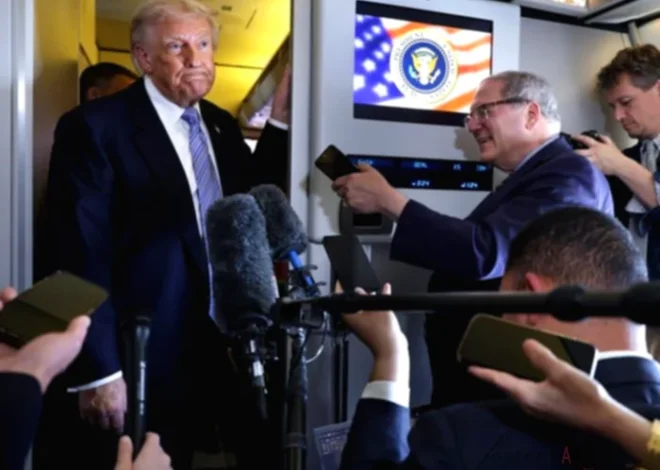
The 2015 Joint Comprehensive Plan of Action (JCPOA), often referred to as the Iran nuclear deal, was a significant diplomatic achievement aimed at curbing Iran’s nuclear ambitions in exchange for the lifting of economic sanctions. However, former U.S. President Donald Trump’s withdrawal from the agreement in 2018 and the subsequent reimposition of sanctions have left the deal in limbo.
Re-engaging with the JCPOA or negotiating a new deal could provide a peaceful avenue for change. The Biden administration has signaled a willingness to return to the negotiating table, but differences remain. Iran demands the lifting of sanctions as a precondition, while the U.S. seeks assurances that Iran will comply with its nuclear commitments and address its ballistic missile program and regional activities.
For Tehran, a return to the negotiating table could be a pragmatic choice. It would alleviate the economic pressures exacerbated by sanctions, offering a reprieve for a beleaguered economy. Diplomatically, it could improve relations with the West and potentially lead to broader regional cooperation.
Tehrans Options for Change: The Internal Struggle
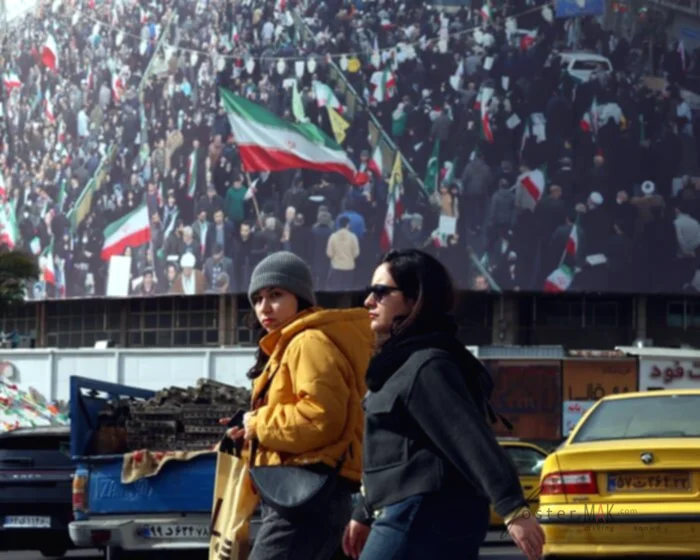
Internally, Tehran faces its own set of challenges. The potential for regime collapse, while often speculated upon, is a complex issue influenced by a myriad of factors. Social unrest fueled by economic hardship, political repression, and demands for greater freedoms has periodically erupted across the country.
The Iranian regime’s ability to maintain control is heavily dependent on its security apparatus and the Revolutionary Guard’s loyalty. However, growing discontent among the populace poses a significant threat to long-term stability. The younger generation, in particular, is increasingly vocal in its demands for change, driven by a desire for improved economic opportunities and personal freedoms.
The regime’s response to internal strife has historically been to tighten its grip, employing both coercive measures and attempted reforms to quell dissent. However, this approach may not be sustainable in the face of mounting pressures. The potential for internal change, whether through reform or more radical transformation, remains a key factor in Tehran’s future.
Economic Dimensions of Change
Iran’s economy is a critical factor in determining the feasibility of each potential path. Sanctions have crippled key sectors, particularly oil exports, which are a major source of revenue. The resulting economic hardship has exacerbated public dissatisfaction and fueled calls for change.
Efforts to diversify the economy and reduce dependency on oil have met with limited success. Challenges such as corruption, mismanagement, and the lack of foreign investment continue to hinder economic progress. Addressing these issues is essential for any meaningful change, whether through internal reforms or international engagement.
Internationally, economic considerations play a significant role in negotiations over the nuclear deal and potential sanctions relief. For Iran, restoring economic stability is crucial not only for political survival but also for improving the livelihoods of its citizens.
Regional Implications and Global Reactions
Tehran’s options for change are closely watched by regional neighbors and global powers alike. The outcomes of these potential paths have far-reaching implications for Middle Eastern stability and international security.
Regional players, including Saudi Arabia and Israel, have expressed concerns over Iran’s nuclear ambitions and regional influence. Any shift in Tehran’s approach could alter the balance of power in the region, impacting alliances and rivalries.
Globally, major powers such as China and Russia have vested interests in Iran’s trajectory. Both countries have sought to strengthen ties with Tehran, seeing it as a strategic counterbalance to Western influence in the region. Their roles in shaping Iran’s future path cannot be underestimated.
Tehrans Options for Change: The Role of the International Community
The international community’s involvement is crucial in shaping Tehran’s path forward. Diplomatic engagement, economic incentives, and strategic pressure can all influence Iran’s decisions.
The United Nations and other international bodies play a key role in facilitating dialogue and ensuring compliance with international norms. Multilateral efforts are essential to address the complex challenges posed by Tehran’s potential paths for change.
For Tehran, navigating these international dynamics requires a delicate balance. Engaging constructively with the global community could open avenues for economic and political benefits, while isolation could exacerbate existing challenges.
The unfolding situation in Tehran presents a multitude of potential scenarios, each with its own set of risks and opportunities. As the world watches closely, the choices made by Tehran’s leaders will shape not only the future of Iran but also the broader region and international relations.