Is Tyre Pollution Leading to Alarmingly High Salmon Deaths?
In recent years, scientists and environmental advocates have raised concerns about the link between tyre pollution and salmon deaths. This connection, once a hypothesis, is now backed by a growing body of research. The alarming increase in salmon mortality rates has prompted an urgent investigation into how chemicals from tyres contribute to this environmental crisis. As the world becomes more aware of the impact of human activities on natural ecosystems, this issue has sparked a broader discussion on pollution and its far-reaching consequences.
Unveiling the Connection: Tyre Pollution and Salmon Deaths
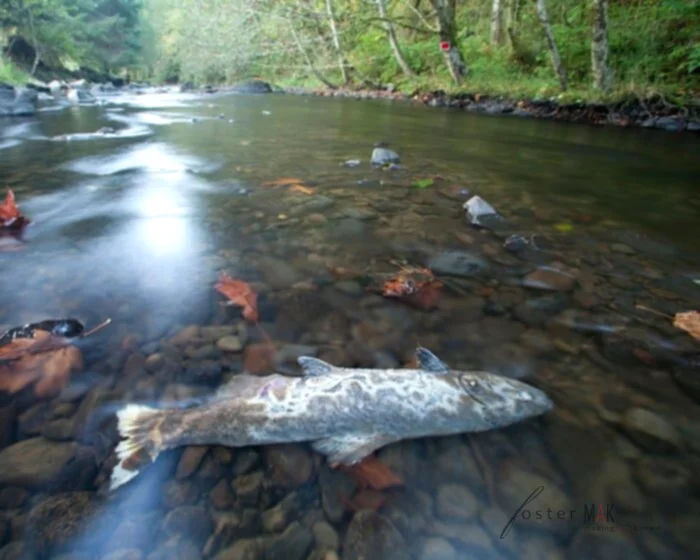
The connection between tyre pollution and salmon deaths was first identified by researchers observing the puzzling decline in salmon populations in the Pacific Northwest. The iconic fish, integral to the region’s ecology and economy, was experiencing unexplained mortality events. Scientists delved deeper into the issue, aiming to uncover the invisible threats lurking in urban runoff that could be affecting these aquatic creatures.
Urban runoff, a mixture of rainwater and pollutants from roads, is a significant contributor to water pollution. As vehicles drive, the wear and tear on tyres release microscopic particles containing a cocktail of chemicals. These particles, rich in zinc and other heavy metals, are swept into waterways during rainfall. Although tyre manufacturers have made strides in improving the safety and performance of their products, the environmental impact of tyre debris has largely flown under the radar until now.
The Science Behind Tyre-Derived Pollution
To understand the impact of tyre pollution, it is essential to explore the chemical composition of tyres. Tyres are made from a blend of natural and synthetic rubbers, fortified with various chemical additives to enhance performance. Among these additives, 6PPD, an antioxidant used to prevent tyre degradation, has been pinpointed as particularly harmful to aquatic life. When 6PPD reacts with ozone in the environment, it transforms into 6PPD-quinone, a compound that has been linked to acute toxicity in salmon.
Researchers conducted laboratory experiments to gauge the effects of 6PPD-quinone on salmon. The results were stark. Exposure to this compound caused severe physiological stress in salmon, leading to lethargy, disorientation, and eventually death. The findings have sparked a flurry of research, aiming to understand the broader ecological implications and identify potential mitigation strategies.
Tyre Pollution: A Growing Environmental Concern
As urban areas expand and traffic density increases, the issue of tyre pollution becomes more pronounced. The pollutants released from tyre wear contribute not only to water contamination but also to air pollution. These fine particles can travel long distances, affecting ecosystems far from their source. The pervasive nature of tyre pollution underscores the need for comprehensive environmental policies and regulations to address this growing concern.
Efforts to curb tyre pollution involve a multi-faceted approach. Researchers advocate for the development of more environmentally friendly tyre compounds, enhanced stormwater management systems, and increased public awareness. By understanding the pathways through which these pollutants enter aquatic systems, policymakers can implement strategies to reduce their impact.
The Economic and Cultural Impact on Salmon Populations
The decline in salmon populations has significant economic and cultural ramifications. Salmon are not only a keystone species in their ecosystems but also a vital resource for indigenous communities and commercial fisheries. The cultural heritage and livelihoods of many Pacific Northwest tribes are intricately tied to salmon, making the health of these fish populations a matter of profound importance.
Economically, the decline in salmon populations affects commercial fishing, tourism, and related industries. The loss of this resource could lead to job losses and economic instability in regions heavily reliant on salmon fisheries. As the evidence linking tyre pollution to salmon deaths mounts, there is increasing pressure on industries and governments to take decisive action.
Addressing Tyre Pollution: Steps Toward a Solution
Efforts to mitigate tyre pollution and its impact on salmon involve collaboration between scientists, policymakers, and industry leaders. Innovations in tyre manufacturing aim to reduce the release of harmful chemicals without compromising tyre performance. Researchers are exploring alternative materials and additives that pose less risk to the environment.
On the policy front, stricter regulations on urban runoff and stormwater management could help reduce the amount of tyre-derived pollutants entering waterways. Cities are investing in green infrastructure, such as permeable pavements and bio-retention systems, to filter pollutants before they reach aquatic environments.
Public awareness campaigns also play a crucial role in addressing tyre pollution. Educating the public about the environmental impact of tyre wear and promoting sustainable transportation choices can lead to reduced pollution levels. Consumers can make informed decisions by choosing tyres with lower environmental footprints and supporting policies that prioritize environmental health.
Future Research Directions in Tyre Pollution and Salmon Deaths
While significant progress has been made in understanding the relationship between tyre pollution and salmon deaths, many questions remain unanswered. Future research aims to explore the long-term effects of tyre-derived pollutants on aquatic ecosystems and identify potential bioindicators for early detection of pollution.
Scientists are also investigating the cumulative effects of tyre pollution in conjunction with other environmental stressors, such as climate change and habitat loss. Understanding these interactions is crucial for developing comprehensive conservation strategies that protect salmon and other vulnerable species.
The Role of Collaboration in Solving Environmental Challenges
The issue of tyre pollution and salmon deaths highlights the need for collaboration across sectors to address complex environmental challenges. By bringing together expertise from diverse fields, stakeholders can develop innovative solutions that balance economic growth with ecological preservation.
Cross-border cooperation is particularly important in addressing pollution that transcends geographical boundaries. International initiatives aimed at reducing tyre-related pollution can set the stage for broader environmental agreements that prioritize the health of our planet’s ecosystems.
In conclusion, the link between tyre pollution and salmon deaths underscores the interconnectedness of human activities and natural ecosystems. As research sheds light on the impact of tyre-derived pollutants, it becomes increasingly clear that proactive measures are needed to protect aquatic life and preserve the environmental legacy for future generations.