Trump’s EPA Backs Contentious Dicamba for Modified Crops Use
In a controversial move, the Environmental Protection Agency (EPA) under former President Donald Trump announced its decision to back the use of the contentious weedkiller dicamba for genetically modified crops. This decision has reignited a fierce debate between farmers, environmentalists, and regulatory bodies, highlighting the ongoing challenges of managing agricultural practices and ensuring environmental safety. As the contentious weedkiller dicamba becomes a focal point, stakeholders from various sectors are voicing their concerns and support for the decision.
The EPA’s Decision and Its Implications
The Trump administration’s EPA has approved the use of dicamba, a herbicide primarily effective against broadleaf weeds, for use on genetically modified soybean and cotton crops. This decision came after a reassessment process that began in 2016 when dicamba-based products were initially approved for use on these modified crops. The decision is based on new guidelines and restrictions aimed at reducing the potential for off-target movement, which has been a major issue in the past.
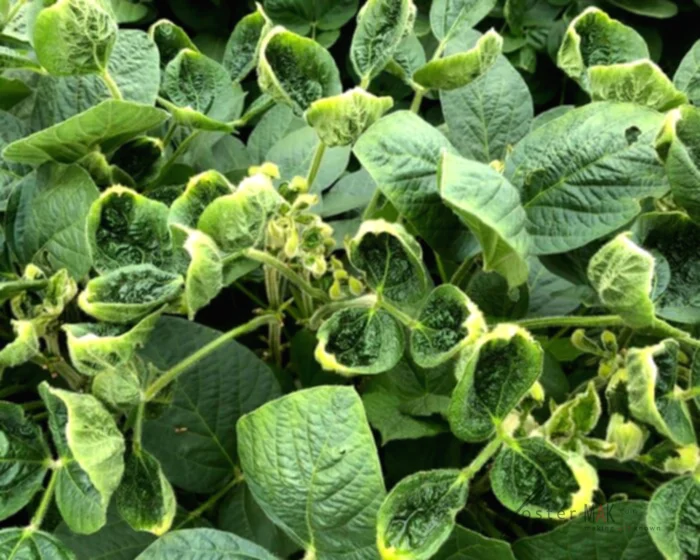
Dicamba has been used for decades; however, its application on genetically modified crops has led to significant controversy. When applied, dicamba can volatilize and drift to neighboring fields, causing damage to non-resistant crops and natural vegetation. This off-target movement has led to numerous complaints from farmers whose crops have been inadvertently affected. The EPA’s decision to allow the continued use of dicamba is seen by some as a victory for agricultural productivity and innovation, while others view it as a setback for environmental protection and sustainability.
Farmers’ Reactions to the Approval
Farmers who use genetically modified crops have largely welcomed the EPA’s decision, seeing it as essential for managing resistant weed species that threaten crop yields. The use of dicamba-resistant seeds allows these farmers to apply the herbicide directly without damaging their crops, providing an effective method for controlling weeds that have become resistant to other herbicides like glyphosate.
However, not all farmers are pleased with the decision. Those growing non-resistant crops or organic produce have expressed significant concerns about the potential for dicamba drift to damage their fields. The economic impact of such damage can be devastating, leading to reduced yields and financial losses. These farmers are calling for stricter regulations and better enforcement to prevent off-target damage.
Environmentalists Raise Concerns
Environmental groups have been vocal in their opposition to the EPA’s decision, citing the potential for dicamba to cause widespread ecological harm. The herbicide’s ability to drift beyond intended areas can lead to a reduction in biodiversity, affecting not only plant species but also the wildlife that depends on them. Concerns have also been raised about the long-term impact of dicamba use on soil health and water quality.
Critics argue that the EPA’s approval process was influenced by industry interests and lacked sufficient consideration of scientific evidence and public input. They call for more rigorous testing and research to fully understand the environmental and health implications of dicamba use. These groups are advocating for alternative weed management strategies that prioritize sustainability and ecological balance.
Legal Battles Over Dicamba Use
The contentious weedkiller dicamba has been at the center of numerous legal battles in recent years. In 2020, a federal court ruled that the EPA had failed to properly assess the risks associated with dicamba, leading to a temporary ban on its use. This ruling was a significant blow to manufacturers and farmers relying on the herbicide, prompting the EPA to quickly revise its approval process and implement new guidelines.
The legal landscape surrounding dicamba remains complex, with ongoing lawsuits challenging the EPA’s decision and arguing for stricter regulations. These legal challenges highlight the difficulties in balancing agricultural needs with environmental protection and the role of government agencies in mediating these conflicts.
New Restrictions on Dicamba Application
In response to concerns about dicamba drift, the EPA has introduced new restrictions and guidelines aimed at minimizing off-target movement. These include limitations on application times, buffer zones to protect neighboring fields, and requirements for specialized training for applicators. The EPA believes that these measures will reduce the risk of dicamba causing unintended damage while allowing farmers to benefit from its use.
Farmers and agricultural groups are encouraged to adopt best practices and adhere to the new guidelines to ensure compliance and minimize negative impacts. However, the effectiveness of these measures remains a topic of debate, with some questioning whether they are sufficient to prevent problems associated with dicamba use.
Industry Support for Dicamba
Manufacturers of dicamba-based products, such as Bayer and BASF, have supported the EPA’s decision and praised the new guidelines as a positive step forward. These companies have invested heavily in the development of dicamba-resistant seeds and related technologies, viewing them as crucial tools for modern agriculture.
The industry argues that dicamba is an essential component of integrated weed management strategies, particularly in regions where resistant weed species pose significant challenges. They emphasize the importance of providing farmers with a diverse set of tools to manage weeds effectively and sustainably.
The Ongoing Debate Over Dicamba’s Future
The contentious weedkiller dicamba continues to be a polarizing topic within the agricultural community. Supporters argue that it is a necessary tool for ensuring high crop yields and combating resistant weeds. Opponents, however, emphasize the environmental and social costs associated with its use, advocating for alternative approaches to weed management.
As the debate over dicamba’s future persists, stakeholders from all sides are calling for increased dialogue and collaboration to find solutions that address both agricultural productivity and environmental sustainability. The role of government agencies, industry, and advocacy groups in shaping the future of dicamba use will be critical in determining its place in modern agriculture.
Looking Ahead: The Path Forward
With the EPA’s decision to back the use of dicamba on genetically modified crops, the path forward involves navigating the complex interplay of regulatory oversight, scientific research, and stakeholder engagement. The outcome of ongoing legal battles and the effectiveness of new restrictions will play a significant role in shaping the future of dicamba and its place in agriculture.
Farmers, environmentalists, and policymakers must work together to address the challenges associated with dicamba use and explore alternative solutions that meet the needs of both agriculture and the environment. The ongoing discourse surrounding dicamba highlights the broader issues facing modern agriculture and the need for innovation and collaboration to address them effectively.