
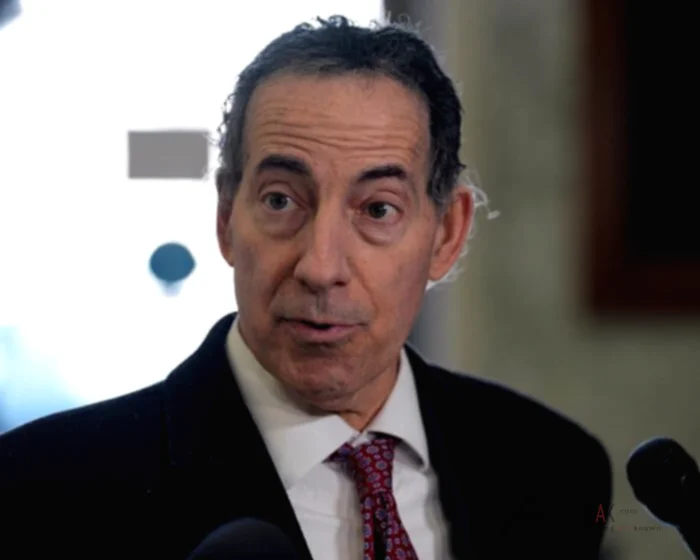
Epstein Files Redactions Spark Jamie Raskins Inquiry into DOJ Act
The recent controversy surrounding the Epstein files redactions has ignited a significant inquiry led by Representative Jamie Raskin into the Department of Justice’s handling of these sensitive documents. The redactions in these files have raised questions about transparency and accountability within the Justice Department, prompting legislators and the public to demand answers. This development marks another chapter in the ongoing saga of one of the most high-profile criminal cases in recent memory.
Raskin’s Call for Transparency
The redactions in the Epstein files have become a focal point for Representative Jamie Raskin, a prominent member of the House Oversight Committee. Raskin, known for his advocacy for government transparency, has voiced concerns over the extent and nature of the redactions applied to the documents related to Jeffrey Epstein’s case. The congressman argues that excessive redactions hinder the public’s right to understand how the Justice Department has managed the case of such a notorious figure.
Raskin’s inquiry aims to bring clarity to the DOJ’s procedures, particularly how decisions about redactions are made. He is questioning whether the redactions are justified under the Freedom of Information Act (FOIA) guidelines or if they are being used to obscure potentially embarrassing or damaging information about individuals or entities connected to Epstein. Raskin’s efforts are supported by a growing number of legislators who demand clearer insight into the justice process.
Epstein Files Redactions Under Scrutiny
The Epstein files redactions have become a contentious issue, drawing scrutiny from lawmakers, journalists, and the public alike. These redactions have been criticized for being overly broad, with key information blacked out, leaving many questions unanswered. The files, which contain details about Epstein’s criminal activities and his connections to powerful individuals, are of great interest to those seeking to understand the full extent of his actions and associations.
Critics argue that the redactions may be protecting individuals who played significant roles in Epstein’s operations or who may have been complicit in his crimes. This has led to widespread speculation about the identities of those involved and the nature of their relationships with Epstein. The lack of transparency fuels distrust in the justice system and raises concerns about possible cover-ups.
Legal and Ethical Implications
The redactions in the Epstein files also raise important legal and ethical questions. Under FOIA, government agencies are required to provide as much information as possible to the public while protecting sensitive information that could compromise national security, personal privacy, or ongoing investigations. However, the balance between transparency and confidentiality is often contested, especially in high-profile cases like Epstein’s.
Legal experts argue that the redactions must be carefully justified, with a clear rationale for each redaction provided by the DOJ. The public has a right to know how and why decisions about redactions are made, particularly when they involve matters of public interest. Ethical considerations also come into play, as withholding information could be seen as an attempt to protect influential figures from accountability.
DOJ’s Response to the Redaction Controversy
The Department of Justice has responded to the controversy by defending its redaction practices, asserting that they are necessary to protect ongoing investigations and the privacy of individuals not charged with crimes. DOJ officials have emphasized their commitment to upholding the law while balancing the need for transparency.
Despite these assurances, skepticism remains. The DOJ’s handling of the Epstein case has been criticized in the past, most notably for the plea deal Epstein received in 2008, which many viewed as excessively lenient. This history of perceived leniency and lack of transparency only adds to the pressure on the DOJ to provide a more detailed explanation of its redaction decisions.
Public and Media Reactions
The public and media response to the Epstein files redactions has been intense, with calls for greater openness and accountability. Journalists have been particularly vocal, as they rely on access to unredacted documents to report accurately on the case. Many believe that the full truth about Epstein’s activities and connections is essential for preventing similar abuses in the future.
Social media platforms have amplified these demands, with hashtags and campaigns urging the DOJ to release unredacted files. The public outcry reflects a broader frustration with the perceived lack of accountability for those in positions of power. This case has become emblematic of the broader issues of transparency and justice in the United States.
Potential Impact on Future Cases
The inquiry into the Epstein files redactions could have significant implications for how similar cases are handled in the future. If Raskin’s efforts lead to changes in how redactions are applied and justified, it could set a precedent for greater transparency in judicial processes. This could influence not only high-profile cases but also more routine instances where redactions are applied.
A shift towards more transparency could enhance public trust in the justice system, as people would feel more confident that the truth is being fully disclosed. However, it could also lead to challenges in balancing transparency with the need to protect sensitive information, particularly in cases involving national security or personal privacy.
The Broader Context of the Inquiry
The inquiry into the Epstein files redactions is taking place within a broader context of increasing demands for transparency and accountability in government. Recent years have seen numerous calls for greater openness, particularly in cases involving powerful individuals or institutions. This trend reflects a growing public desire for honesty and integrity in the justice system and government as a whole.
The Epstein case, with its high-profile connections and disturbing revelations, has become a symbol of the need for reform. As Raskin and his colleagues pursue their inquiry, they are tapping into a widespread sentiment that the public deserves to know the full story, without unnecessary obfuscation or delay.
Moving Forward with the Inquiry
As the inquiry led by Representative Raskin progresses, it will be closely watched by those seeking answers about the Epstein files redactions. The outcome of this inquiry could have significant ramifications, influencing how future cases are handled and setting a standard for government transparency. Lawmakers, legal experts, journalists, and the public will be keenly observing the developments, eager to see whether the inquiry leads to meaningful changes in how justice is administered.
In the meantime, the debate over the Epstein files redactions continues to highlight the tension between government transparency and the need to protect sensitive information. It underscores the importance of rigorous oversight and accountability in ensuring that justice is served fairly and without undue influence.