
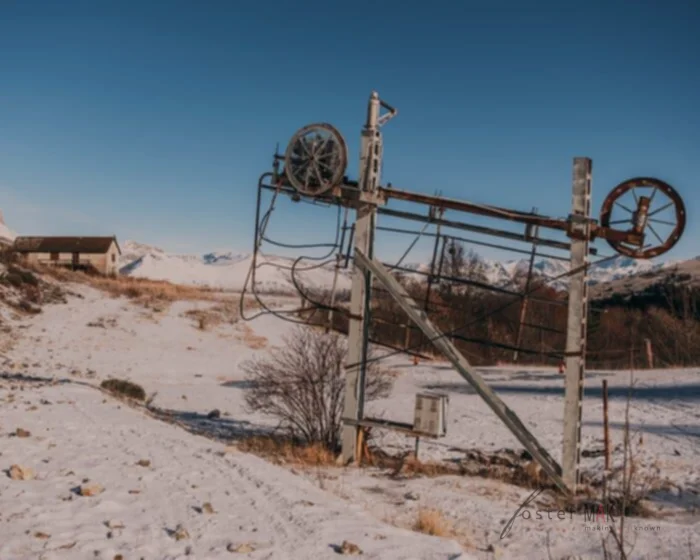
Will Nature Reclaim the Abandoned Ski Slopes in the Alps?
The majestic Alps, long revered as a premier winter sports destination, have seen a marked transformation in recent years. A growing number of ski resorts across this iconic mountain range have shuttered their operations, leaving behind abandoned ski slopes in the Alps. This phenomenon raises questions about the intersection of climate change, economic viability, and the natural reclamation of these once-bustling winter wonderlands.
A Changing Climate Challenges Traditional Skiing Paradises
The Alps, stretching across eight countries in Europe, have historically attracted millions of tourists seeking the thrill of skiing and snowboarding. However, climate change has begun to cast a shadow over this winter paradise. Rising temperatures have led to reduced snowfall, challenging the sustainability of ski resorts, especially those at lower altitudes. This shift in climate patterns has made it increasingly difficult for many resorts to maintain the snow-covered slopes that skiers crave.
In recent years, resorts situated below 1,500 meters have been particularly hard hit. Without sufficient natural snow, these areas have had to rely heavily on artificial snowmaking, which is not only costly but also environmentally taxing. As a result, some resorts have been forced to close their doors, leaving the abandoned ski slopes in the Alps as stark reminders of the changing climate.
Economic Struggles and the Decline of Smaller Resorts
While climate change is a significant factor in the abandonment of ski slopes, economic challenges also play a crucial role. The ski industry has seen a consolidation trend, with larger, high-altitude resorts thriving while smaller, independent operations struggle to compete. The cost of maintaining ski infrastructure, including lifts and snow machines, combined with fluctuating tourist numbers, has made it increasingly difficult for smaller resorts to stay afloat.
In the face of declining profitability, some resorts have opted to close rather than continue to operate at a loss. This economic reality has left a trail of deserted ski lifts and empty lodges scattered across the Alpine landscape. For many small towns that once relied on winter tourism as a primary source of income, the closure of these resorts represents a significant economic blow.
Abandoned Ski Slopes in the Alps: A New Chapter for Nature?
As ski resorts close, nature begins to reclaim the land. Abandoned ski slopes in the Alps present a unique opportunity for environmental recovery. With the cessation of human activity, flora and fauna are gradually returning to these areas. Native plant species, once cleared to make way for ski runs, are now repopulating the slopes. Wildlife, too, is making a comeback, with animals such as chamois and deer venturing into areas they previously avoided due to human presence.
This process of natural reclamation is not without challenges. The environmental impact of decades of ski resort operations, including soil erosion and deforestation, has left some areas in need of restoration efforts. However, the resilience of nature is evident, as ecosystems slowly begin to heal and restore balance to the landscape.
Community Responses and Innovative Solutions
The closure of ski resorts has prompted communities across the Alps to explore new opportunities. Many are turning towards sustainable tourism and diversifying their offerings to attract visitors year-round. Hiking, mountain biking, and eco-tourism are gaining traction as alternatives to traditional winter sports. These activities not only provide economic benefits but also promote environmental stewardship.
In some areas, abandoned ski slopes are being transformed into nature reserves or rewilding projects. These initiatives aim to preserve biodiversity and create spaces for education and research. By reimagining these landscapes, communities are finding ways to honor the natural beauty of the Alps while adapting to a changing world.
Abandoned Ski Slopes in the Alps: A Case Study in Adaptation
One notable example of adaptation can be found in the French Alps, where the village of Saint-Véran has embraced its transition away from traditional skiing. This small community, once reliant on its ski resort, has shifted its focus to sustainable tourism. Through partnerships with environmental organizations and government support, Saint-Véran has developed a range of eco-friendly activities, including guided nature walks and wildlife observation tours.
The success of Saint-Véran serves as an inspiring model for other communities facing similar challenges. By leveraging their natural assets and fostering a sense of environmental stewardship, these areas are proving that there is life beyond the ski slopes.
The Role of Policy and International Cooperation
Addressing the issues facing abandoned ski slopes in the Alps requires coordinated policy efforts and international cooperation. Governments and environmental organizations are increasingly recognizing the need to support sustainable development in mountain regions. Initiatives such as the Alpine Convention, an international treaty that promotes the protection and sustainable development of the Alps, provide a framework for collaboration among Alpine countries.
Investment in renewable energy, infrastructure improvements, and environmental conservation projects are key components of these efforts. By working together, countries can ensure the long-term viability of the Alps as a region that balances human activity with environmental preservation.
An Uncertain Future for Alpine Ski Resorts
The future of skiing in the Alps remains uncertain. While high-altitude resorts may continue to thrive, the fate of many smaller operations hangs in the balance. As climate change continues to reshape the landscape, the ski industry must adapt to survive. Abandoned ski slopes in the Alps serve as poignant reminders of the challenges that lie ahead.
For now, the Alps stand at a crossroads. The decisions made today will determine the future of this storied region. Whether nature reclaims the abandoned slopes or communities find new ways to thrive, the journey of the Alps is far from over.