Berlin-Rome Axis Threatens to Undermine EUs Green Deal Ambitions
A burgeoning political alliance between Berlin and Rome is threatening to derail the European Union’s ambitious Green Deal. The Berlin-Rome axis threatening EU’s green deal comes at a critical time when nations across the globe are grappling with climate change. This unexpected coalition has raised concerns among EU officials and environmental advocates who are committed to achieving the bloc’s sustainability goals.
Political Shifts in Berlin and Rome Signal New Challenges
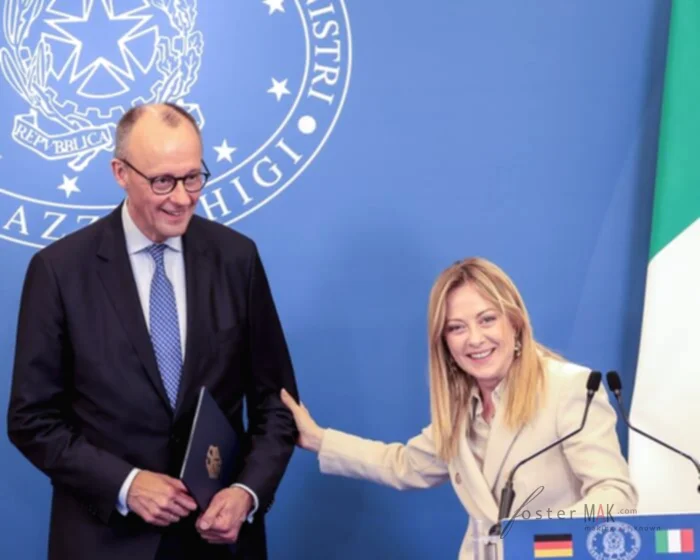
The political landscapes of Germany and Italy have undergone significant transformations in recent years, leading to a closer alignment between the two countries. In Germany, the government led by Chancellor Olaf Scholz has shown signs of wavering on its environmental commitments due to mounting economic pressures. Meanwhile, in Italy, Prime Minister Giorgia Meloni’s administration has been vocal about prioritizing economic growth over stringent environmental policies. This convergence of interests has set the stage for a Berlin-Rome axis that could obstruct the EU’s green ambitions.
Germany’s economic powerhouse status in the EU gives it substantial influence over policy decisions. However, Scholz faces domestic challenges such as energy shortages and inflation, prompting a reconsideration of Germany’s role in the Green Deal. Italy, on the other hand, with its fragile economy and high public debt, is keen on policies that boost growth, even if they conflict with environmental objectives. The alliance between these two nations could lead to a recalibration of EU priorities, with the Green Deal potentially taking a backseat.
Concerns Among EU Officials and Environmentalists
The Berlin-Rome axis threatening EU’s green deal is causing unease among EU officials who have been champions of the bloc’s climate agenda. The European Green Deal, introduced in 2019, aims to make the EU climate-neutral by 2050, a goal that requires robust cooperation from all member states. However, the divergent priorities of Germany and Italy could undermine collective efforts to achieve this target.
Environmentalists are particularly worried about the potential rollback of policies aimed at reducing carbon emissions and promoting renewable energy. The Green Deal encompasses a wide range of initiatives, including the European Climate Law, which mandates a 55% reduction in greenhouse gas emissions by 2030 compared to 1990 levels. Any deviation from these targets by key member states could hinder the EU’s ability to meet its climate commitments.
Economic Pressures and Energy Security Concerns
Economic pressures and energy security concerns are at the forefront of the Berlin-Rome alliance’s agenda. Germany’s reliance on Russian gas has been a contentious issue, particularly in light of geopolitical tensions. The need for energy diversification has prompted Germany to reconsider its energy mix, potentially leading to a greater reliance on fossil fuels in the short term.
Italy, grappling with its own energy challenges, shares similar concerns. The country has been advocating for more lenient environmental policies that allow for economic growth. The economic rationale behind this alliance is clear: both countries seek to ensure energy security and economic stability, even if it means compromising on environmental commitments.
The Impact on EU’s Climate Leadership
The emergence of the Berlin-Rome axis threatening EU’s green deal raises questions about the EU’s position as a global leader in climate action. The European Union has long prided itself on being at the forefront of international efforts to combat climate change. However, internal disagreements and conflicting priorities among member states could undermine this leadership position.
The EU’s climate leadership is not just about setting ambitious targets; it also involves influencing global climate policies and fostering international cooperation. If key member states like Germany and Italy prioritize economic considerations over environmental goals, it could weaken the EU’s credibility in global climate negotiations. This, in turn, could have far-reaching implications for international efforts to address climate change.
Potential Policy Revisions and Their Implications
As the Berlin-Rome axis gains momentum, there is speculation about potential policy revisions that could reshape the EU’s climate agenda. Both Germany and Italy have called for more pragmatic approaches to achieving sustainability goals, emphasizing the need for policies that balance environmental and economic interests.
One area of potential revision is the EU’s Emissions Trading System (ETS), a cornerstone of the Green Deal. The ETS, which sets a cap on carbon emissions and allows companies to trade emission allowances, has been criticized for its impact on industries and consumers. Germany and Italy have signaled their intent to push for reforms that make the system more industry-friendly, potentially diluting its effectiveness in reducing emissions.
Moreover, the Berlin-Rome axis could influence the EU’s approach to renewable energy subsidies and investments in green technologies. While the Green Deal envisions substantial investments in clean energy, the economic priorities of Germany and Italy might shift the focus towards more traditional energy sources, at least in the short term.
Responses from Other EU Member States
The Berlin-Rome axis threatening EU’s green deal has prompted responses from other EU member states who remain committed to the bloc’s environmental objectives. Countries like France, Spain, and the Netherlands have expressed concerns about any potential weakening of the Green Deal, emphasizing the importance of collective action in addressing climate change.
These countries are likely to push back against any policy changes that compromise the EU’s climate goals. The potential for increased friction within the EU is evident, as member states grapple with balancing national interests and collective environmental commitments.
Looking Ahead: Navigating a Complex Landscape
As the situation unfolds, the Berlin-Rome axis presents a complex challenge for the EU’s climate agenda. The interplay of economic, political, and environmental factors will shape the future of the Green Deal and the EU’s role in global climate efforts. The ability of EU leaders to navigate these complexities will be crucial in determining whether the bloc can maintain its climate leadership and achieve its sustainability objectives.
The coming months will be critical as negotiations and discussions continue among EU member states. The outcome will not only impact the EU’s climate policies but also set the tone for international climate action in the coming years. As the world watches, the EU’s ability to reconcile internal differences and uphold its environmental commitments remains a key test of its unity and resolve in the face of climate change.