
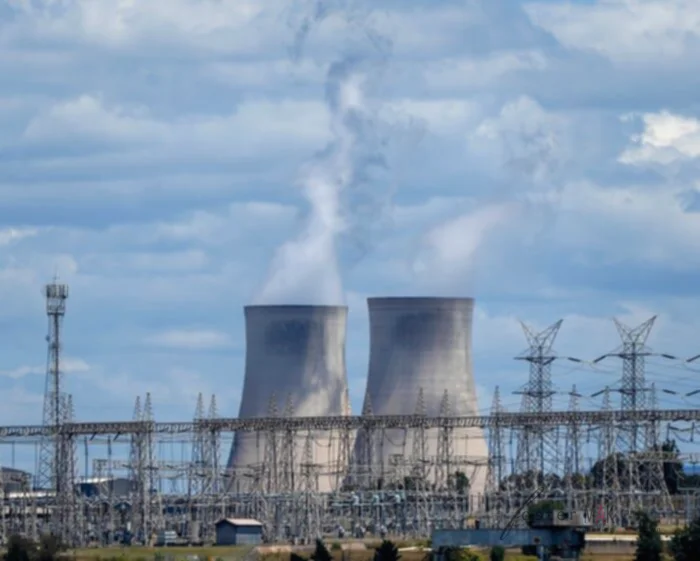
Labors Bold Move Revisiting Carbon Pricing to Tackle Polluters
In a significant policy shift aimed at addressing environmental challenges, the Australian Labor government is revisiting the previously contentious issue of carbon pricing and polluters. This move signals a renewed commitment to combat climate change and reduce greenhouse gas emissions, a problem that has long been a subject of political debate in the country. By reintroducing carbon pricing, the government hopes to create a financial incentive for companies to lower their emissions, thereby contributing to a more sustainable future.
The Return of Carbon Pricing
The concept of carbon pricing is not new to Australia. Previously implemented by the Gillard government in 2012, it was repealed two years later amid mounting political pressure and public dissent. This time, however, the Labor government is determined to approach the issue with a fresh perspective, learning from past mistakes to craft a more robust and effective policy.
Carbon pricing involves charging emitters a fee for each ton of carbon dioxide they release into the atmosphere. This economic mechanism not only holds polluters financially accountable for their environmental impact but also encourages businesses to invest in cleaner technologies and practices. By making pollution more expensive, the government aims to drive innovation and transition to a low-carbon economy.
The Political Landscape
The reintroduction of carbon pricing has sparked a lively debate across the political spectrum. Supporters argue that it is a necessary step to meet international climate commitments and protect the environment for future generations. They believe that a well-structured carbon pricing system can stimulate economic growth by fostering green industries and creating jobs in renewable energy sectors.
Opponents, however, caution against potential negative impacts on businesses and consumers. They argue that increased costs for companies could lead to higher prices for goods and services, disproportionately affecting low-income households. Despite these concerns, the Labor government remains steadfast in its belief that the long-term benefits of carbon pricing outweigh the short-term challenges.
Economic Implications of Carbon Pricing
Introducing carbon pricing is expected to have significant economic implications, both positive and negative. On one hand, it could lead to increased costs for industries heavily reliant on fossil fuels, such as energy production, manufacturing, and transportation. These sectors may face higher operational expenses as they strive to comply with new regulations and reduce emissions.
On the other hand, carbon pricing presents opportunities for economic growth and diversification. By incentivizing the development of clean technologies and renewable energy sources, it can stimulate investment in innovation and create new markets. As Australia transitions to a low-carbon economy, there is potential for job creation in sectors such as solar and wind energy, electric vehicles, and energy efficiency.
Carbon Pricing and Polluters: A Closer Look
The focus on carbon pricing and polluters highlights the need for a comprehensive approach to addressing climate change. While carbon pricing is an essential tool, it must be complemented by other measures to achieve meaningful results. This includes investing in research and development, supporting renewable energy projects, and promoting energy efficiency across various sectors.
For polluters, the introduction of carbon pricing represents a call to action. Companies are encouraged to evaluate their environmental impact and implement strategies to reduce emissions. By adopting cleaner technologies and practices, businesses can not only comply with regulations but also enhance their competitiveness in a rapidly evolving market.
Challenges and Criticisms
Despite its potential benefits, carbon pricing faces numerous challenges and criticisms. One major concern is the risk of carbon leakage, where companies relocate their operations to countries with less stringent environmental regulations. This could undermine the effectiveness of carbon pricing and result in job losses and economic setbacks.
To address this issue, the government is exploring mechanisms to prevent carbon leakage, such as border adjustments and international cooperation. By aligning carbon pricing policies with global standards, Australia can ensure a level playing field for its industries and encourage other nations to follow suit.
Another challenge is the need for public support and understanding of carbon pricing. Misconceptions and misinformation can fuel opposition to the policy, making it crucial for the government to engage with stakeholders and communicate the benefits and rationale behind carbon pricing effectively. Public awareness campaigns and consultations with industry representatives can help build consensus and address concerns.
Moving Forward with Determination
As Australia moves forward with its carbon pricing initiative, the Labor government remains determined to achieve its climate goals and position the country as a leader in environmental sustainability. By learning from past experiences and embracing innovative solutions, the government aims to create a resilient and prosperous future for all Australians.
The success of carbon pricing will ultimately depend on the collective efforts of government, industry, and the public. By working together, stakeholders can overcome challenges, seize opportunities, and pave the way for a cleaner and more sustainable world.