
Rare European robin sighting leaves Canadians curious and concern
In a remarkable turn of events, the sighting of a European robin in Canada has sparked a mix of curiosity and concern among bird enthusiasts and environmentalists alike. The unexpected appearance of this small, colorful songbird in North America has led experts to ponder the possible reasons behind its transatlantic journey and its implications for local ecosystems.
A Feathery Intruder from Across the Atlantic
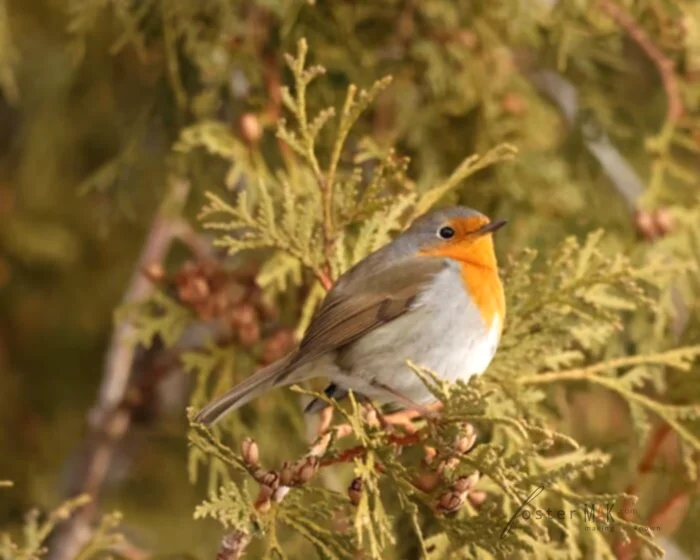
The European robin, known for its distinctive orange-red breast and melodic song, is a common sight across Europe. However, its presence in Canada is unprecedented and has led to a flurry of activity among bird watchers eager to catch a glimpse of the avian visitor. Typically residing in a range that spans from the British Isles to western Siberia, the European robin’s unexpected appearance in Canada has raised questions about how it ended up so far from its normal habitat.
The bird was first spotted in a suburban backyard in Nova Scotia, drawing immediate attention from local birding communities. Social media platforms buzzed with excitement as images of the robin quickly circulated, prompting a surge in interest from ornithologists and nature lovers. The sighting of the European robin in Canada has become a topic of fascination, with many speculating about the factors that could have led to its unusual migration pattern.
European Robin in Canada: An Ecological Anomaly
The arrival of the European robin in Canada has prompted experts to consider several possible explanations for its presence. One theory suggests that the bird may have been carried off course by strong Atlantic winds or storms during its migratory journey. Such events, though rare, can sometimes cause birds to stray far from their typical routes, resulting in unexpected appearances in distant locations.
Another possibility is that the bird could have been inadvertently transported across the Atlantic by human activity, such as shipping or aviation. This mode of accidental introduction is not uncommon in the avian world, with birds sometimes stowing away on cargo ships or being displaced by changes in their natural environment. Regardless of the cause, the European robin’s presence in Canada presents a unique case study for scientists interested in understanding the movements and behaviors of migratory birds.
Implications for Local Ecosystems
The presence of a non-native species such as the European robin in Canada raises important questions about the potential impact on local ecosystems. While the robin is not considered an invasive species, its introduction into a new environment could still have unforeseen consequences. One area of concern is the potential competition with native bird species for resources such as food and nesting sites.
Bird experts are closely monitoring the situation to determine whether the European robin will adapt to its new surroundings or if it will eventually migrate back to its native habitat. In the meantime, conservationists are advocating for a cautious approach to ensure that the robin’s presence does not disrupt the delicate balance of local ecosystems. The sighting has also underscored the importance of continued research and monitoring of bird populations to better understand the dynamics of species migration and adaptation.
The Role of Citizen Science in Tracking the Robin
The sighting of the European robin in Canada has highlighted the crucial role that citizen scientists play in tracking and documenting unusual wildlife occurrences. Bird watchers and enthusiasts have been instrumental in providing valuable data and observations that contribute to our understanding of this rare event. Through platforms such as eBird and regional birding networks, individuals have been able to share their sightings and collaborate with professional ornithologists.
This grassroots approach to data collection is invaluable in building a comprehensive picture of the robin’s movements and behaviors. Citizen science initiatives enable researchers to gather a wide range of information across different geographic areas, enhancing our understanding of how species respond to changing environmental conditions. The collaborative effort between amateur and professional birders is crucial in unraveling the mysteries of the European robin’s unexpected journey to Canada.
European Robin in Canada: A Call for Further Research
The appearance of the European robin in Canada serves as a reminder of the complex and dynamic nature of avian migration patterns. It underscores the need for continued research into the factors that influence bird movements and the potential impacts of climate change on migratory behavior. As global temperatures rise and weather patterns shift, the frequency and nature of such unusual sightings may increase, posing new challenges for conservationists and researchers.
Understanding the mechanisms that drive birds to embark on long-distance migrations is essential for developing strategies to protect and conserve avian species. The European robin’s journey to Canada offers a unique opportunity to study the interplay between environmental factors and bird behavior, shedding light on the broader implications of global ecological change.
Engaging the Public in Bird Conservation Efforts
The European robin’s unexpected visit to Canada has captured the public’s imagination, sparking increased interest in bird conservation and wildlife protection. Engaging the wider community in these efforts is vital to ensuring the long-term preservation of bird populations and their habitats. Educational outreach programs and public awareness campaigns can help foster a deeper appreciation for the natural world and the challenges faced by migratory species.
By encouraging people to participate in bird watching and conservation activities, organizations can cultivate a sense of stewardship and responsibility towards the environment. The European robin’s presence in Canada provides a timely opportunity to promote greater public involvement in preserving our shared natural heritage, inspiring future generations to take an active role in protecting the planet’s biodiversity.
The European Robin’s Ongoing Journey
As the story of the European robin in Canada continues to unfold, bird enthusiasts and researchers remain vigilant in tracking its movements and monitoring its impact on local ecosystems. The bird’s journey across the Atlantic serves as a poignant reminder of the interconnectedness of global ecosystems and the importance of safeguarding the delicate balance of nature.
While the mystery of the European robin’s appearance in Canada may never be fully resolved, its presence offers valuable insights into the complexities of avian migration and the challenges posed by a rapidly changing world. As scientists and citizens alike work together to unravel the mysteries of this remarkable journey, the European robin remains a symbol of the enduring wonder and unpredictability of the natural world.