Why Fukushima Towns Frozen in Time Are a Natural Wonder
The Fukushima towns frozen in time have become a unique testament to both the resilience and vulnerability of human society. These towns, once vibrant and full of life, were abruptly halted in their tracks following the catastrophic events of the 2011 earthquake and tsunami that led to the nuclear disaster. Today, they stand as poignant reminders of the past, offering insight into the power of nature and the enduring spirit of recovery.
An Unexpected Legacy of Disaster
In March 2011, a massive earthquake and subsequent tsunami struck Japan, causing widespread devastation. The Fukushima Daiichi Nuclear Power Plant suffered critical damage, leading to the worst nuclear disaster since Chernobyl. As a result, entire communities were evacuated, leaving behind homes, schools, businesses, and infrastructure. These Fukushima towns frozen in time have since become a symbol of both human and environmental challenges.
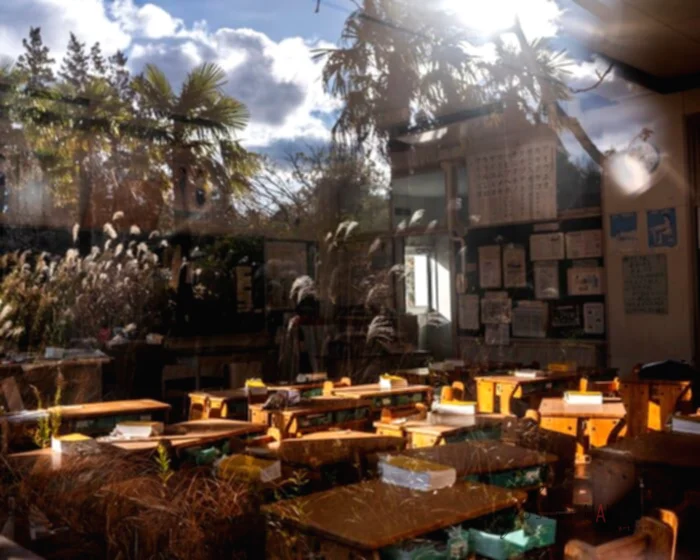
The towns of Namie, Futaba, and Tomioka, among others, were once thriving communities with bustling streets and active industries. Today, they present an eerie stillness, with nature slowly reclaiming the land. Buildings, now overgrown with vegetation, bear silent witness to the passage of time. This combination of human abandonment and the relentless advance of nature creates a unique landscape that captures the imagination.
The Human Story Behind the Silence
Underneath the quiet exterior of these towns lies a tapestry of human stories. The residents who once called these places home were forced to leave everything behind in an instant. Families were uprooted, livelihoods were lost, and a sense of community was shattered. For many former residents, the memories of the life they once knew remain vivid, even as they build new lives elsewhere.
Efforts to decontaminate and rehabilitate the area have been ongoing, but the process is slow and fraught with challenges. Radiation levels, while decreasing, still pose risks in certain areas, making it difficult for residents to return permanently. The government has invested heavily in cleanup operations, and some areas have been declared safe for habitation. However, the psychological scars of the disaster linger, complicating the process of resettlement.
Reconnecting with Nature’s Power
The transformation of these towns highlights the powerful interplay between human civilization and the natural world. As buildings crumble and roads disappear beneath creeping vegetation, the resilience of nature becomes evident. Wildlife has returned to the area in abundance, with animals reclaiming spaces once dominated by human activities.
This resurgence of nature has drawn the interest of scientists and researchers. The Fukushima Exclusion Zone has become an unintended laboratory for studying the effects of radiation on ecosystems and wildlife. Researchers are monitoring the health and behaviors of various species, gaining valuable insights into how nature adapts to and recovers from human-induced environmental changes.
Efforts to Preserve the Past
While nature reclaims these spaces, efforts are underway to preserve the memories and stories of the communities that once thrived here. Local organizations and former residents are working to document the history and culture of these towns. Museums and memorials have been established, providing a space for reflection and remembrance.
In addition to preserving history, there is a growing interest in creating sustainable tourism opportunities. Tours of the exclusion zone offer visitors a chance to witness the unique landscape and learn about the impact of the disaster. These tours are carefully managed to ensure safety and minimize environmental impact, allowing people to experience the haunting beauty of the area while understanding its complex history.
Fukushima Towns Frozen in Time: A Global Lesson
The Fukushima towns frozen in time serve as a poignant reminder of the interconnectedness of human society and the environment. The disaster and its aftermath have prompted discussions about nuclear safety and disaster preparedness worldwide. Countries have reevaluated their own nuclear policies and emergency response strategies, seeking to prevent similar tragedies.
The lessons from Fukushima extend beyond nuclear safety. They highlight the importance of community resilience and the need for effective communication and support systems in times of crisis. The experiences of the residents underscore the necessity of empathy and understanding in the face of adversity.
A Journey of Healing and Hope
Despite the challenges, there are signs of hope and recovery. Some former residents have chosen to return, determined to rebuild their lives and communities. New businesses are emerging, and infrastructure is slowly being restored. The government, along with local and international organizations, continues to support these efforts, providing resources and guidance.
For many, the journey back to normalcy is a long and difficult one. The scars of the past will take time to heal, but the determination of those affected is a testament to the human spirit. The Fukushima towns frozen in time are not just relics of a past disaster; they are a symbol of resilience and the possibility of renewal.
The Future of Fukushima’s Towns
As the world continues to watch the recovery efforts in Fukushima, there is a growing recognition of the need for sustainable and equitable development. The challenges faced by these towns provide valuable lessons for other communities at risk of environmental disasters. By learning from Fukushima’s experiences, societies can better prepare for and respond to future crises.
The story of Fukushima’s towns is far from over. As cleanup efforts progress and more areas become habitable, the region has the potential to become a model for recovery and innovation. The integration of new technologies and sustainable practices can pave the way for a more resilient future, not just for Fukushima, but for communities around the globe.
The Fukushima towns frozen in time stand as powerful reminders of the impact of human actions on the environment and the enduring strength of the human spirit. As these towns navigate the path to recovery, they continue to inspire reflection, learning, and hope for a better tomorrow.