
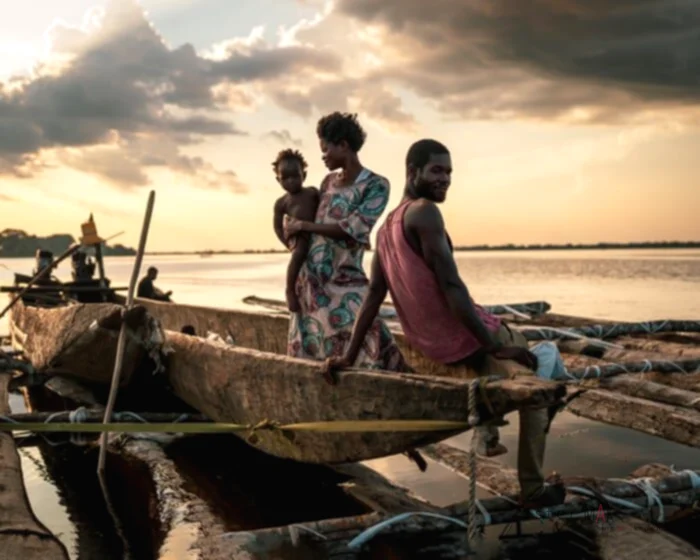
Can Africas Lung Survive the Threat of Exploitation?
The Congo Basin, often referred to as the ‘lungs of Africa,’ is facing a critical survival challenge. Spanning across six countries in Central Africa, this vast tropical rainforest is second only to the Amazon in terms of area. It is an ecological marvel, home to an astonishing diversity of flora and fauna. However, the rapid pace of exploitation, driven by logging, mining, and agricultural expansion, is threatening the very existence of this vital ecological region. The survival of the ‘lungs of Africa’ is now more uncertain than ever as pressures mount from both local and international interests.
The Ecological Significance of the Congo Basin
The Congo Basin is a vital component of the global ecosystem. It covers more than 500 million acres and is home to thousands of plant and animal species, many of which are endemic to the region. This forest plays a crucial role in regulating the global climate by acting as a significant carbon sink, absorbing around 1.2 billion tons of carbon dioxide annually. This capacity to sequester carbon makes the Congo Basin an essential ally in combating global climate change.
Beyond its climate-regulating functions, the Congo Basin provides a livelihood for over 75 million people who depend on it for food, shelter, and medicine. Indigenous communities have lived in harmony with this forest for centuries, developing a wealth of traditional knowledge about its complex ecosystems. The forest is also a source of immense biodiversity, providing habitat for endangered species such as the forest elephant, the bonobo, and the okapi.
Mounting Threats from Human Activities
Despite its ecological and cultural significance, the Congo Basin is under siege. Deforestation rates have been increasing exponentially due to a combination of legal and illegal logging activities. Logging companies, often backed by foreign investors, are extracting timber at unsustainable rates, threatening the delicate balance of the forest ecosystem. This rampant deforestation is exacerbated by weak enforcement of environmental regulations and widespread corruption, making it difficult to curb illegal activities.
Mining is another major threat to the Congo Basin. The region is rich in minerals such as gold, diamonds, and coltan, which are in high demand globally. The mining industry has been a significant driver of deforestation and environmental degradation, as vast areas of forest are cleared to make way for mining operations. These activities not only destroy habitats but also pollute waterways with toxic chemicals, posing a severe threat to both wildlife and human populations.
The Agricultural Expansion Conundrum
Agricultural expansion is further compounding the threat to the ‘lungs of Africa.’ As populations grow, there is increasing pressure to convert forested areas into agricultural land. This trend is driven by both subsistence farming and large-scale agricultural projects aimed at producing cash crops for export. The conversion of forests into farmland releases stored carbon into the atmosphere, contributing to climate change and diminishing the forest’s capacity to act as a carbon sink.
In recent years, there has been a surge in interest from international agribusinesses seeking to exploit the fertile lands of the Congo Basin. These large-scale agricultural endeavors often come at the expense of local communities, who find themselves displaced and disenfranchised. This not only leads to social tensions but also undermines efforts to preserve traditional ways of life and sustainable land-use practices.
International Efforts and Their Limitations
International organizations and governments have recognized the importance of preserving the Congo Basin. Several initiatives have been launched to protect the forest and promote sustainable development. For instance, the Central African Forest Initiative (CAFI) aims to support efforts to conserve the forest while improving the livelihoods of local communities. Similarly, REDD+ (Reducing Emissions from Deforestation and Forest Degradation) programs offer financial incentives to developing countries to reduce deforestation and promote sustainable land management.
However, these international efforts face significant challenges. Funding for conservation projects is often insufficient, and the implementation of programs is hindered by political instability and governance issues in the region. Moreover, the interests of multinational corporations frequently clash with conservation goals, as they seek to exploit the region’s resources for profit.
‘Lungs of Africa’ Survival: A Community-Centric Approach
The key to ensuring the ‘lungs of Africa’ survival lies in adopting a community-centric approach. Empowering local communities to manage their natural resources sustainably is crucial for the long-term preservation of the Congo Basin. Indigenous peoples and local communities possess invaluable knowledge about the forest and have a vested interest in its protection.
Community-based conservation initiatives have shown promise in various parts of the world. By involving local populations in decision-making processes and providing them with the necessary resources and training, these initiatives can help balance conservation goals with the needs of the people who depend on the forest for their livelihoods. Such approaches can also strengthen traditional land rights and promote sustainable agricultural practices, reducing the pressure to clear more forested areas.
Technological Innovations in Forest Conservation
Technological innovations offer new tools for monitoring and protecting the Congo Basin. Remote sensing technology and satellite imagery have become invaluable in tracking deforestation and identifying illegal logging activities. These technologies enable real-time monitoring and provide data that can be used to hold perpetrators accountable.
In addition, advances in sustainable agriculture, such as agroforestry and permaculture, offer potential solutions for reducing the environmental impact of farming. By integrating trees and shrubs into agricultural landscapes, these techniques can help restore soil fertility, enhance biodiversity, and increase carbon sequestration, thereby supporting both conservation and food security.
The Role of Global Awareness and Advocacy
Raising global awareness about the plight of the Congo Basin is essential for mobilizing support and action. Advocacy campaigns, led by environmental organizations and activists, have been instrumental in drawing attention to the threats facing the forest and influencing policy changes. These efforts have been successful in pressuring governments and corporations to adopt more sustainable practices and increase transparency.
Social media and digital platforms have also played a significant role in spreading awareness and engaging a wider audience. By highlighting the importance of the Congo Basin and the challenges it faces, these platforms can inspire individuals and organizations worldwide to take action and support conservation efforts.
As the battle to save the ‘lungs of Africa’ intensifies, the combined efforts of local communities, governments, international organizations, and the global public will be crucial in ensuring the survival of this vital ecosystem. The stakes are high, and the time to act is now.