Madagascar’s Fishers Finding New Ways A Struggle for Survival
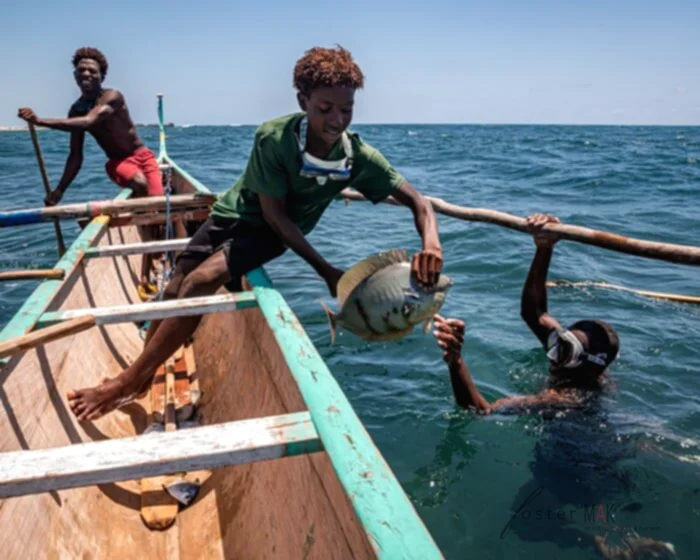
In the coastal regions of Madagascar, life has always been intertwined with the ocean. For generations, fishing has not just been a livelihood but a way of life. Recently, however, the tides have shifted, leading to a scenario where Madagascar’s fishers finding new ways to survive is more essential than ever. Environmental changes, economic challenges, and evolving global demands are pushing these communities to innovate and adapt in ways they never imagined.
The Changing Tides: Environmental Challenges
Madagascar, known for its rich biodiversity and unique ecosystems, faces significant environmental challenges. Climate change has brought about rising sea levels, unpredictable weather patterns, and increasing ocean temperatures. These changes have had a direct impact on marine life, including the fish populations that local communities depend on.
Fish stocks have been dwindling, and the competition for resources has intensified. Fishers who once relied on traditional knowledge passed down through generations now find themselves in a precarious position. The catch is no longer as abundant or predictable, forcing fishers to venture further into the ocean, which is both risky and costly. This shift is not just a matter of adaptation but a struggle for survival.
Economic Pressures and Global Market Dynamics
The economic pressures on Madagascar’s fishers are mounting. Locally, the cost of maintaining fishing equipment and boats has risen sharply. Fuel prices have increased, and the maintenance of boats has become more expensive due to the scarcity of materials. Globally, the demand for sustainable and ethically sourced seafood has changed the dynamics of the fishing industry.
International markets are increasingly scrutinizing the origins of seafood, emphasizing sustainability and traceability. While this offers opportunities for fishers who can meet these standards, it also presents challenges for those who cannot afford the necessary certifications and changes in practice. Madagascar’s fishers finding new ways to align with these global trends is crucial to accessing international markets and sustaining their livelihoods.
Madagascar’s Fishers Finding New Ways Amidst Adversity
Despite these challenges, Madagascar’s fishers finding new ways to adapt and thrive is a testament to their resilience. Community-led initiatives and collaborations with NGOs are paving the way for sustainable fishing practices. These collaborations focus on education and training, equipping fishers with the knowledge and skills required to adopt sustainable methods.
Marine conservation programs have been established to protect fish stocks and habitats. These initiatives often involve setting up marine protected areas where fishing is restricted, allowing ecosystems to recover and replenish. Although this means short-term sacrifices for fishers, the long-term benefits of sustainable stocks are undeniable.
Innovations and Alternative Livelihoods
In addition to adopting sustainable practices, many fishers are exploring alternative livelihoods to complement their incomes. Aquaculture, or fish farming, is becoming an increasingly popular option. It provides a controlled environment for breeding fish, reducing the pressure on wild populations.
Moreover, fishers are diversifying their income sources by engaging in ecotourism. Madagascar’s unique marine biodiversity offers opportunities for eco-friendly tourism activities such as snorkeling and diving tours. By promoting conservation and educating tourists about the importance of marine ecosystems, fishers not only generate additional income but also raise awareness about environmental issues.
Madagascar’s Fishers Finding New Ways through Technology
The integration of technology is another avenue through which Madagascar’s fishers are finding new ways to survive. Mobile technology provides fishers with access to real-time weather updates and market prices, enabling them to make informed decisions about when and where to fish. Digital platforms also facilitate direct sales to consumers, bypassing intermediaries and ensuring fairer prices for fishers.
Training programs and workshops are being conducted to familiarize fishers with these technologies. This knowledge transfer is empowering communities, allowing them to leverage modern tools to enhance traditional practices. As technology continues to evolve, it is expected to play an even more significant role in the future of Madagascar’s fishing industry.
The Role of Government and Policy
Government intervention and supportive policies are critical in ensuring that Madagascar’s fishers can navigate these challenging times. The government has been working with international organizations to develop and implement policies aimed at supporting sustainable fishing practices and protecting marine biodiversity.
Efforts are being made to regulate fishing activities, prevent illegal fishing, and promote fair trade practices. These policies are designed to create a more equitable and sustainable fishing industry, ensuring that both the environment and local communities benefit. However, the success of these initiatives hinges on effective enforcement and collaboration with local communities.
Community Empowerment and Social Dynamics
Empowering fishing communities is vital for the sustainable development of Madagascar’s coastal regions. Education and capacity-building efforts are being prioritized to ensure that fishers can actively participate in decision-making processes related to marine resource management.
Women, who play a crucial role in the fishing industry, are also being empowered through various programs. By promoting gender equality and providing opportunities for women to engage in alternative livelihoods, communities are becoming more resilient and adaptable to change.
Madagascar’s Fishers Finding New Ways: A Testament to Resilience
The story of Madagascar’s fishers finding new ways to adapt and thrive in the face of adversity is one of resilience and innovation. Despite the numerous challenges they face, these communities are demonstrating their ability to adapt to changing circumstances while preserving their cultural heritage and connection to the sea. Through sustainable practices, alternative livelihoods, and the integration of technology, Madagascar’s fishers are paving the way for a sustainable future, ensuring that their way of life endures for generations to come.