
New Search for Missing Airliner MH370 A Decade Later
In a renewed effort to solve one of aviation’s greatest mysteries, a new search has been launched for the missing airliner MH370. Nearly a decade after Malaysia Airlines Flight MH370 vanished from the radar, leaving the world in suspense and the families of the 239 people on board in anguish, a fresh initiative aims to uncover the truth behind the plane’s disappearance. This latest search brings a mix of hope and skepticism as advanced technologies and refined models are employed to locate the elusive aircraft.
The Disappearance that Shook the World
On March 8, 2014, Malaysia Airlines Flight MH370 took off from Kuala Lumpur International Airport, bound for Beijing. The Boeing 777-200ER carried 227 passengers and 12 crew members. However, less than an hour into the flight, contact with the aircraft was lost. The plane was last detected by military radar deviating west from its planned flight path over the South China Sea before disappearing entirely. Despite extensive international search efforts encompassing vast areas of the Indian Ocean, the fate of the flight remains unknown.
The disappearance of MH370 captured global attention and led to one of the most extensive search operations in aviation history. Initial efforts were concentrated in the South China Sea and Gulf of Thailand, later shifting to the southern Indian Ocean as new satellite data emerged. Despite these efforts, the aircraft’s main wreckage has not been found, making the incident one of the greatest unsolved mysteries in modern aviation.
Renewed Hope with Advanced Technology
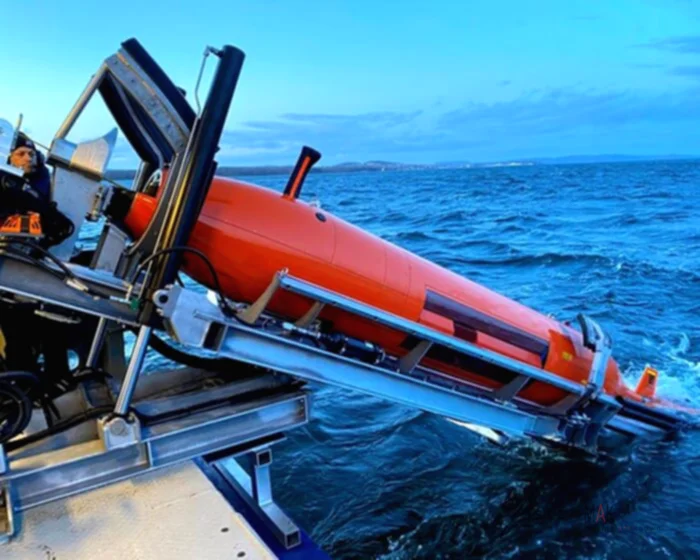
The new search for the missing airliner MH370 is being spearheaded by Ocean Infinity, a marine robotics company that previously undertook a search in 2018. With advancements in technology, the company is optimistic about the prospects of locating the aircraft. This renewed search will leverage state-of-the-art autonomous underwater vehicles (AUVs) capable of operating at depths of up to 6,000 meters. These AUVs can cover large swathes of ocean floor more efficiently than previous technologies.
The team at Ocean Infinity plans to utilize refined drift models and satellite data analyses to narrow down the search area. These models take into account ocean currents and debris findings to provide a more precise location for the search. The company is also collaborating with scientific experts and relying on the latest data from the Australian Transport Safety Bureau to enhance the accuracy of the search mission.
Families of the Missing Still Seeking Closure
For the families of those on board the missing airliner MH370, the new search brings a glimmer of hope. Many have been tirelessly advocating for continued search efforts and transparency in the investigation. The emotional toll of the prolonged uncertainty has been immense, leaving families in limbo and without closure. The possibility of finally discovering the fate of their loved ones is a powerful motivator for these families, who have become vocal champions for aviation safety and accountability.
The renewed search effort is seen by many families as a necessary step toward resolution. They hope that discovering the wreckage will provide answers to the many questions surrounding the flight’s disappearance. For them, the quest to locate MH370 is not just about finding a missing plane but also about honoring the memories of those who were on board and ensuring that such a tragedy never occurs again.
The Challenges of Searching the Deep Ocean
The search for MH370 is fraught with challenges, primarily due to the vast and remote nature of the Indian Ocean. The area where the plane is believed to have crashed is characterized by deep ocean trenches, underwater mountains, and unpredictable weather conditions. These factors make it a formidable task for search teams to navigate and thoroughly investigate the seabed.
Despite the use of advanced technology, the unpredictability of the ocean environment presents significant hurdles. Equipment malfunctions, strong underwater currents, and limited visibility are just a few of the potential obstacles faced by search teams. Additionally, the sheer size of the search area, which spans thousands of square kilometers, adds to the complexity of the operation.
International Cooperation and Support
The search for the missing airliner MH370 has been an international effort from the outset. Countries across the globe have contributed resources and expertise to aid in the search and investigation. The latest search operation continues to receive support from various governments and international bodies, underscoring the global significance of resolving the mystery.
Australia, Malaysia, and China have been instrumental in the search efforts, providing funding, technical assistance, and coordination. The International Civil Aviation Organization and other aviation safety bodies have also played crucial roles in facilitating information sharing and enhancing global aviation safety standards in response to the incident.
The Impact on Aviation Safety
The disappearance of MH370 has had a profound impact on aviation safety and tracking technologies. It highlighted the need for improved aircraft tracking systems and real-time data transmission to prevent similar incidents in the future. As a result, the aviation industry has implemented several changes, including the adoption of satellite-based tracking systems and more stringent requirements for cockpit communications.
The lessons learned from the MH370 disappearance continue to shape aviation policies and practices. The International Air Transport Association has been actively working with airlines and regulatory bodies to enhance global tracking capabilities and ensure that no aircraft can vanish without a trace again. The ongoing search efforts serve as a reminder of the importance of these advancements in safeguarding air travel.
The Role of Public Interest and Media
Public interest in the missing airliner MH370 has remained high over the years, fueled by media coverage and speculative theories about the plane’s fate. The mystery surrounding the disappearance has led to a plethora of documentaries, books, and investigative reports attempting to piece together the events of that fateful night. While some theories have been debunked, others continue to intrigue and captivate audiences worldwide.
Media coverage has played a crucial role in maintaining awareness of the search efforts and advocating for transparency in the investigation. Journalists and researchers have been relentless in their pursuit of the truth, holding authorities accountable and ensuring that the story of MH370 remains in the public eye. The media’s role in amplifying the voices of the families and keeping the search mission alive cannot be understated.
The Search Continues
As the new search for the missing airliner MH370 gets underway, the world watches with anticipation. The possibility of finally solving the mystery brings a renewed sense of urgency and determination to the mission. With advanced technology and international cooperation, hopes are high that this search will succeed where previous efforts have not. For the families of those on board and the global community, discovering the fate of MH370 is not just a matter of closure but a quest for truth and justice in the aviation world.