Orcas Team Up with Dolphins to Hunt Salmon and Stun Scientists
In a remarkable display of interspecies cooperation, scientists have observed an extraordinary phenomenon where orcas team up with dolphins to hunt salmon. This unprecedented alliance has left marine biologists both baffled and excited as it reveals a complex level of communication and strategy between two of the ocean’s most intelligent species. The findings, made along the Pacific Northwest coast, could have significant implications for our understanding of marine life dynamics.
The Unlikely Alliance: Orcas and Dolphins Working Together
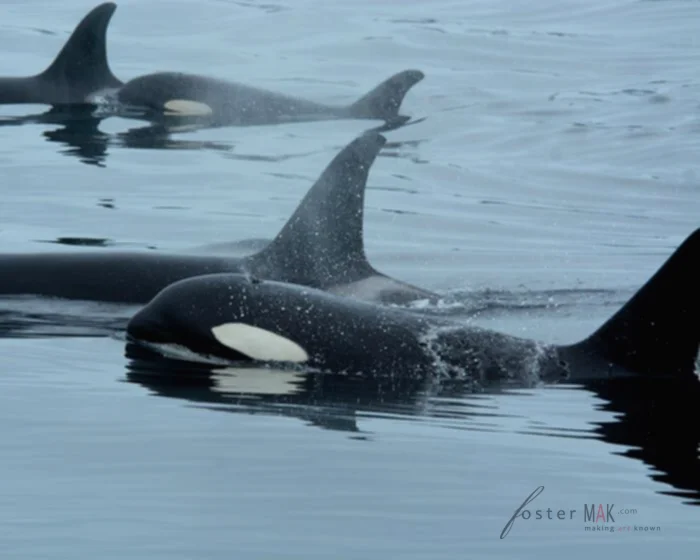
The sight of orcas and dolphins swimming in the same waters is not uncommon. However, the recent observations of these two species working together have taken marine biologists by surprise. Orcas, also known as killer whales, are apex predators known for their intelligence and complex social structures. Dolphins, on the other hand, are equally intelligent but are often prey to orcas in certain parts of the world. The collaboration between these natural rivals has never been documented in such a strategic manner before.
Researchers have been studying the waters around the San Juan Islands, a region known for its rich marine biodiversity. Here, both orcas and dolphins are regular inhabitants, although they typically go about their business separately. The new findings suggest that these species have developed a mutualistic relationship, at least temporarily, to hunt the abundant salmon in the area. The collaboration seems to be driven by the need to efficiently capture prey, which would otherwise be difficult for either species to catch alone.
Scientists Stunned by Complex Hunting Techniques
The discovery that orcas team up with dolphins to hunt salmon has provided biologists with a unique opportunity to study complex hunting strategies in the wild. This alliance involves sophisticated techniques that demonstrate advanced problem-solving abilities. Orcas are known for their cooperative hunting skills, often working in pods to encircle and trap fish. Dolphins, with their agile movements and speed, add a new dimension to this hunting strategy.
In observations, scientists noted that dolphins would herd salmon into tighter groups, making it easier for the orcas to swoop in and capture the fish. This coordinated effort not only increases the efficiency of the hunt but also minimizes energy expenditure for both species. The orcas benefit from the dolphins’ speed and agility, while the dolphins likely gain access to more food resources by aligning themselves with the orcas.
Communication and Coordination: How Do They Do It?
A critical aspect of this newfound alliance is the communication and coordination required between the two species. Marine biologists are particularly interested in understanding how orcas and dolphins manage to synchronize their actions so effectively. Both species are known for their advanced communication skills, using a combination of vocalizations and body language to convey information. However, the intricacies of cross-species communication remain largely a mystery.
One theory suggests that the orcas and dolphins may be using a form of mimicry or learning from each other’s signals to coordinate their movements. Alternatively, they might have developed a unique set of signals during their interactions over time. Researchers are using underwater microphones and video recordings to capture these interactions in the hope of deciphering the communication methods employed by the orcas and dolphins during their hunts.
Orcas Team Up with Dolphins: A Rare Ecological Phenomenon
The phenomenon where orcas team up with dolphins is a rare ecological event that challenges current understanding of predator-prey dynamics. Traditionally, orcas have been viewed as dominant predators that rely solely on their own species for cooperative hunting. The emergence of this partnership with dolphins suggests that orcas are more adaptable and opportunistic than previously thought.
This behavior also raises questions about the ecological pressures that may have driven such an alliance. Scientists speculate that changes in the availability of prey or environmental factors could have prompted the two species to work together. The Pacific Northwest has seen fluctuations in salmon populations due to overfishing and climate change, which may have influenced the hunting strategies of both orcas and dolphins.
Implications for Marine Conservation Efforts
The discovery that orcas team up with dolphins has significant implications for marine conservation efforts. Understanding the conditions that foster such alliances could help in developing strategies to protect and manage marine ecosystems. By studying these interactions, conservationists can gain insights into the adaptability of marine species in response to environmental changes.
Moreover, this partnership highlights the importance of preserving the natural habitats where such interactions occur. Protecting areas like the San Juan Islands is crucial for maintaining the biodiversity and ecological balance necessary for these species to thrive. Conservationists are calling for increased protection measures to ensure that the delicate marine ecosystems supporting these remarkable alliances are safeguarded for the future.
Further Research: Unraveling the Mysteries of Interspecies Cooperation
The revelation that orcas team up with dolphins to hunt salmon opens up new avenues for research into interspecies cooperation. Scientists are eager to explore whether similar alliances exist in other parts of the world and what factors influence such behaviors. This could lead to a deeper understanding of the cognitive abilities of marine species and the evolutionary benefits of interspecies collaboration.
Future studies will likely focus on long-term monitoring of these interactions to determine their frequency and impact on the local marine ecosystem. Researchers are also interested in exploring the genetic and evolutionary factors that enable such cooperation, as well as the potential for similar alliances among other marine species.
In conclusion, the observation of orcas and dolphins working together to hunt salmon is a groundbreaking discovery that challenges existing perceptions of marine animal behavior. It serves as a reminder of the complexity and adaptability of life in the ocean and underscores the importance of continued research and conservation efforts to protect these fascinating ecosystems.