
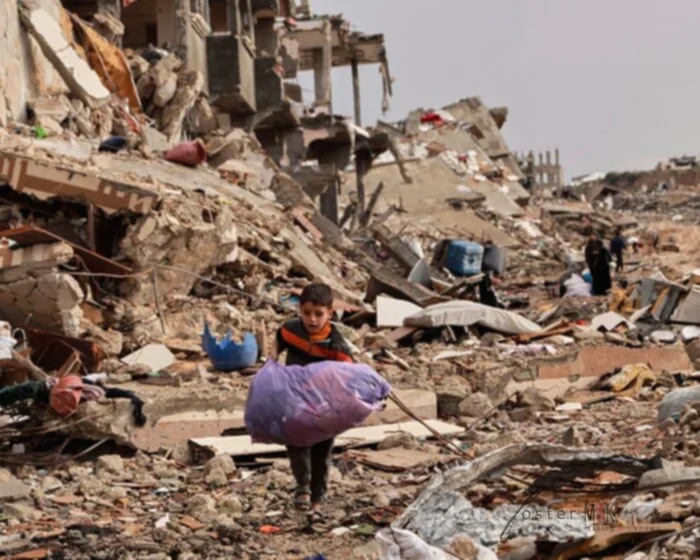
How a Polycrisis Shattered Our World and Ways to Heal
In recent years, the term
polycrisis
has emerged as a way to describe the complex web of crises that have simultaneously impacted societies across the globe. The notion that a polycrisis shattered our world is not merely a hyperbolic statement but a reflection of the multifaceted challenges facing humanity today. From environmental catastrophes and economic instability to political unrest and public health emergencies, these interconnected issues demand immediate and coordinated responses. As countries grapple with these challenges, understanding the nature of polycrises and exploring pathways to recovery become crucial tasks for leaders and citizens alike.
Unpacking the Concept of Polycrisis
The term
polycrisis
is used to describe a situation where multiple crises occur simultaneously, creating a compounded effect greater than the sum of its parts. These crises are often interlinked, meaning that the solution to one may exacerbate another. This complexity makes it difficult to address any single issue without considering its broader impact on other areas. The notion of a polycrisis challenges traditional crisis management strategies that typically focus on isolated incidents rather than interconnected challenges.
Experts in economics, climate science, political science, and sociology have been increasingly using this term to describe the current global landscape. They argue that the polycrisis framework allows for a more nuanced understanding of the intricate relationships between various crises, ranging from climate change and biodiversity loss to geopolitical tensions and economic inequalities. By considering these challenges in tandem, policymakers can develop more comprehensive and integrated strategies to address them.
Climate Change: The Heart of the Storm
One of the most pressing components of the polycrisis is climate change. Its effects are pervasive and multifaceted, influencing almost every aspect of life on Earth. Rising global temperatures, melting ice caps, and extreme weather events are just a few of the symptoms of a warming planet. These environmental changes disrupt ecosystems, threaten biodiversity, and pose significant risks to human health and food security.
The impact of climate change is not confined to environmental degradation. It exacerbates existing social and economic inequalities, disproportionately affecting marginalized communities and developing countries. As resources become scarcer due to droughts, floods, and other climate-induced events, competition for these resources intensifies, leading to potential conflicts and further destabilization of regions already experiencing turmoil.
Economic Instability and Inequality
Economic instability is another critical facet of the polycrisis. The global financial system has faced significant challenges over the past two decades, from the 2008 financial crisis to the more recent economic disruptions caused by the COVID-19 pandemic. These events have highlighted vulnerabilities in the global economy and have exacerbated existing inequalities within and between nations.
As economies strive to recover from these shocks, they face additional pressures from technological advancements and automation, which threaten to displace workers and increase unemployment rates. The disparity between rich and poor continues to widen, undermining social cohesion and trust in institutions. Addressing economic inequality is therefore essential in mitigating the broader impacts of the polycrisis.
Political Unrest and Governance Challenges
The political dimension of the polycrisis is characterized by increasing polarization and a decline in public trust in democratic institutions. Across the globe, populist movements have gained traction, capitalizing on public discontent and economic grievances. This political unrest is often fueled by misinformation and the erosion of traditional media outlets, which further complicate efforts to address the polycrisis.
Effective governance is crucial in managing and mitigating the effects of a polycrisis. However, political fragmentation and gridlock often hinder the implementation of comprehensive policies. To navigate this complex landscape, governments must rebuild trust with their citizens and foster collaboration across political divides. International cooperation is also essential, as many of the challenges posed by a polycrisis transcend national borders.
How a Polycrisis Shattered Our World
The assertion that a polycrisis shattered our world is not an exaggeration but a reflection of the cascading effects of multiple crises. Each element of the polycrisis, whether it be climate change, economic instability, or political unrest, interacts with and amplifies the others. The result is a world where traditional coping mechanisms are often insufficient, and where the stakes are higher than ever.
In this interconnected web of crises, the vulnerabilities of global systems are laid bare. The COVID-19 pandemic, for example, highlighted the fragility of global supply chains and the inadequacies of public health infrastructure. It also underscored the need for coordinated international responses to global challenges. As countries grapple with the aftermath of these crises, the lessons learned from the polycrisis will be critical in shaping future strategies.
Pathways to Recovery and Resilience
In the face of such daunting challenges, the question remains: how can societies recover and build resilience against future crises? The answer lies in adopting a holistic and integrated approach that addresses the root causes of the polycrisis while preparing for future uncertainties.
One key aspect of this strategy is investing in sustainable development and green technologies. By transitioning to renewable energy sources and promoting sustainable agricultural practices, societies can reduce their carbon footprint and mitigate the effects of climate change. Additionally, investing in education and skills training can help workers adapt to technological changes and reduce economic disparities.
Building Stronger Communities
At the community level, fostering social cohesion and resilience is essential in addressing the polycrisis. Community-based initiatives, such as local food systems and cooperative businesses, can enhance self-sufficiency and reduce reliance on vulnerable global supply chains. Empowering local leaders and organizations to take an active role in crisis management can also strengthen community resilience.
Moreover, promoting inclusivity and equity within communities can help bridge social divides and reduce tensions. Ensuring that all members of society have access to resources and opportunities is crucial in building a more just and stable world. By addressing the needs of marginalized groups and promoting dialogue and understanding, societies can foster a sense of belonging and collective purpose.
International Cooperation: A Global Imperative
Addressing a polycrisis requires a coordinated global response. International organizations and governments must work together to develop comprehensive strategies that address the interconnected nature of these challenges. This involves sharing knowledge and resources, as well as establishing frameworks for cooperation and accountability.
Global agreements, such as the Paris Agreement on climate change, demonstrate the potential for international collaboration in addressing common challenges. However, these agreements must be backed by concrete actions and commitments from all stakeholders. By prioritizing international cooperation, countries can leverage their collective strengths to tackle the polycrisis and build a more sustainable and resilient world for future generations.