Can Quagga Mussel Invasive Species Be Stopped? Discover How
The quagga mussel invasive species has become a formidable environmental challenge across several regions, causing significant ecological and economic impacts. Originating from Eastern Europe, these small freshwater mollusks have made their way into numerous water bodies worldwide, primarily through ballast water discharge from ships. Their rapid spread and ability to outcompete native species have raised alarms among ecologists, policymakers, and industries reliant on water resources.
The Arrival and Spread of Quagga Mussels
Quagga mussels were first detected in the Great Lakes of North America in the late 1980s. Their introduction was likely a result of ballast water discharge from transoceanic ships. Since then, they have spread rapidly across various freshwater systems in the United States and beyond. These mussels are known for their prolific breeding capabilities, with a single female capable of producing up to a million eggs per year. This has enabled them to establish large populations in a short period.
The invasion of quagga mussels extends beyond the Great Lakes, affecting numerous water bodies in the United States, including the Colorado River, Lake Mead, and the Mississippi River. Their spread has been facilitated by their ability to attach to boats, trailers, and other equipment, allowing them to hitchhike to new locations. As a result, they have become a significant concern for water management authorities and conservationists.
Ecological Impacts of Quagga Mussels
Quagga mussels pose a serious threat to native aquatic ecosystems. They are filter feeders that consume large quantities of plankton, the primary food source for many native fish and other aquatic organisms. This can lead to a decline in native species populations, altering the entire food web and ecosystem dynamics. The mussels also compete with native mussels for space and resources, often leading to the displacement or extinction of indigenous species.
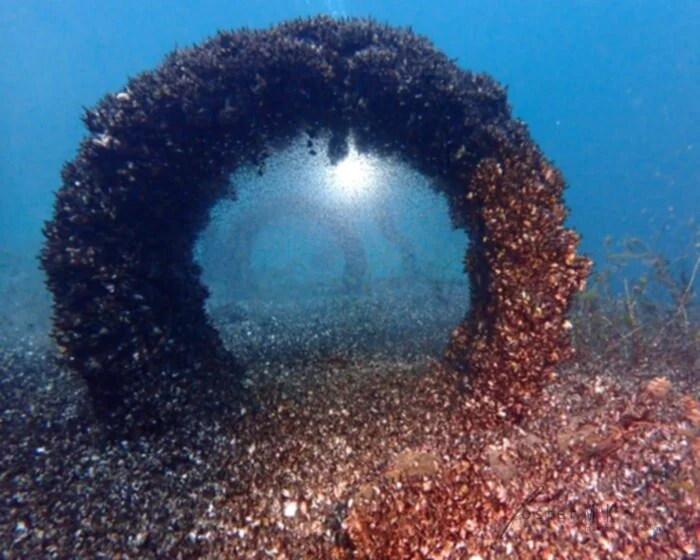
Moreover, quagga mussels can drastically change the physical environment of water bodies. By filtering water, they increase water clarity, which may seem beneficial but can lead to the proliferation of aquatic plants and algae. This can result in harmful algal blooms and oxygen depletion, further disrupting the aquatic ecosystem. Additionally, the accumulation of mussel shells on lake and river bottoms can alter habitats and affect the spawning grounds of fish.
Economic Consequences of the Invasion
The economic implications of the quagga mussel invasion are substantial. Industries that rely on water resources, such as power generation, water treatment, and agriculture, face significant challenges due to the mussels’ presence. Quagga mussels can clog intake pipes, reducing the efficiency of water systems and leading to costly maintenance and cleaning operations. The power industry, in particular, has incurred millions of dollars in expenses to manage and mitigate the impacts of these invasive mussels.
Recreational activities and tourism are also affected by the invasion. The presence of quagga mussels can lead to the fouling of beaches and the degradation of water quality, deterring tourists and affecting local economies reliant on recreational water activities. The fishing industry, both commercial and recreational, is not spared either, as changes in fish populations and ecosystem dynamics impact fish catches and the overall health of fisheries.
Quagga Mussel Invasive Species: Challenges in Management
Efforts to manage and control the quagga mussel invasive species have proven to be complex and challenging. Traditional methods such as chemical treatments and mechanical removal have limitations and can have unintended consequences on non-target species and the environment. The resilience and adaptability of quagga mussels make them difficult to eradicate once established, necessitating a multifaceted approach to management.
Public awareness and education play a crucial role in preventing the spread of quagga mussels. Boaters and water users are encouraged to clean, drain, and dry their equipment to prevent the accidental transfer of mussels to uninfested waters. Many states have implemented inspection and decontamination programs at boat ramps and water access points to reduce the risk of spreading these invasive mussels.
Innovative Solutions and Research
Researchers and scientists are exploring innovative solutions to combat the quagga mussel invasion. Biological control methods, such as introducing natural predators or pathogens specific to quagga mussels, are being investigated as potential long-term solutions. However, these methods require careful consideration and testing to avoid unintended ecological consequences.
Advanced technologies such as DNA-based detection methods are being developed to enhance early detection and monitoring of quagga mussel populations. These tools can help identify new infestations before they become widespread, allowing for more targeted management efforts. Additionally, research into the genetic makeup and reproductive biology of quagga mussels may provide insights into vulnerabilities that can be exploited for control measures.
Collaborative Efforts and Policy Initiatives
Addressing the quagga mussel invasive species requires collaboration among various stakeholders, including government agencies, researchers, industries, and the public. International cooperation is also crucial, as the movement of ships and goods across borders can facilitate the spread of invasive species. Policies and regulations aimed at controlling ballast water discharge and promoting biosecurity measures are essential components of managing the quagga mussel threat.
In the United States, the Aquatic Nuisance Species Task Force, a federal interagency committee, coordinates efforts to combat aquatic invasive species, including quagga mussels. State and local governments have also implemented policies to prevent the spread of these mussels, including mandatory boat inspections and public outreach campaigns.
Future Prospects and Ongoing Challenges
While significant progress has been made in understanding and managing the quagga mussel invasive species, challenges remain. The adaptability of these mussels and their ability to thrive in diverse environments make eradication difficult. Continued research, public engagement, and policy enforcement are essential to mitigate their impacts and prevent further spread.
The battle against quagga mussels is an ongoing one, requiring vigilance and cooperation from all sectors of society. As new technologies and management strategies are developed, there is hope that the spread of these invasive mussels can be curbed, protecting both ecological and economic interests. However, the complexity of the issue underscores the need for sustained efforts and innovation in addressing this persistent environmental challenge.