
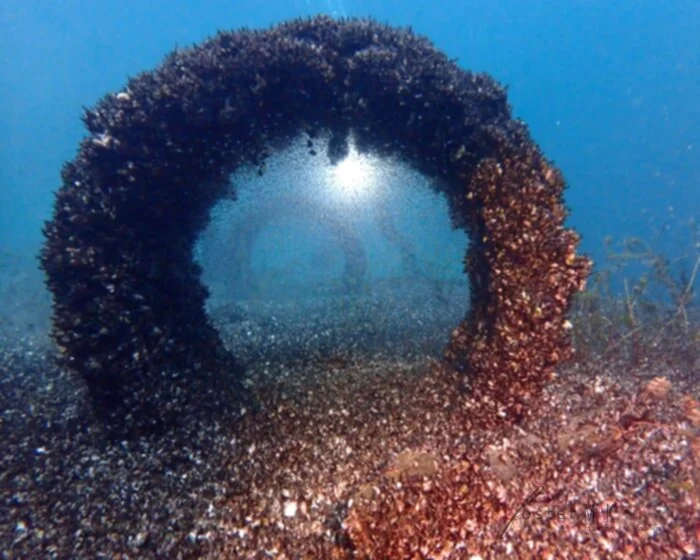
Lake Geneva Transformed How Quagga Mussels Changed Everything
Nestled on the border between Switzerland and France, Lake Geneva has long been a beacon of natural beauty and ecological diversity. However, recent studies and observations have highlighted a significant transformation in this iconic body of water. Quagga mussels, an invasive species, have drastically altered the lake’s ecosystem. This article takes a closer look at how quagga mussels changed Lake Geneva, examining the implications for local biodiversity, water quality, and the broader ecological balance.
The Arrival of an Invasive Species
Quagga mussels are native to the Dnieper River drainage in Ukraine. Over the last few decades, they have spread across various water bodies in Europe and North America. Their unintentional introduction into Lake Geneva has been attributed to the movement of boats and equipment from infested waters. Once introduced, these mussels found the conditions in Lake Geneva to be highly conducive to their proliferation. With no natural predators and an abundance of nutrients, the quagga mussel population exploded.
How Quagga Mussels Changed Lake Geneva: An Ecological Shift
The arrival of quagga mussels has led to a profound ecological shift in Lake Geneva. These mussels are filter feeders, capable of processing large volumes of water to extract plankton and other suspended particles. This feeding habit significantly reduces the plankton population, which forms the base of the aquatic food web. As a result, fish species that rely on plankton as a primary food source have been adversely affected.
Moreover, quagga mussels have a unique ability to alter the physical environment of the lake. By attaching themselves to hard surfaces, they can form dense colonies on rocks, boats, and infrastructure. This biofouling can lead to increased maintenance costs for water intake systems and recreational facilities. The mussels also excrete waste that can increase nutrient levels in the water, potentially leading to algal blooms and further disrupting the aquatic ecosystem.
Impacts on Local Biodiversity
The introduction of quagga mussels has had a cascading effect on Lake Geneva’s biodiversity. Native mussel species have been outcompeted for food and habitat, leading to declines in their populations. This has a knock-on effect on species that depend on native mussels, such as certain types of fish and birds. Additionally, the reduction in plankton has impacted fish species that feed directly on these microorganisms.
Predatory fish, which rely on smaller fish species for sustenance, have also been affected. Changes in the availability of prey have led to alterations in their behavior and distribution. This disruption of the food web can have long-term consequences for the lake’s biodiversity, potentially leading to a less resilient ecosystem.
Water Quality Concerns
The presence of quagga mussels in Lake Geneva has raised concerns about water quality. The mussels’ filtration capability, while initially seeming beneficial, can lead to clearer water. However, this clarity allows sunlight to penetrate deeper, potentially promoting the growth of submerged aquatic vegetation and harmful algal blooms. These blooms can produce toxins that affect drinking water quality and pose health risks to humans and animals.
Additionally, the accumulation of mussel waste on the lakebed can create nutrient-rich environments conducive to the growth of nuisance algae. These algae can decompose and deplete oxygen levels in the water, creating hypoxic conditions detrimental to aquatic life. Such changes in water quality not only impact ecological health but also have economic implications, particularly for tourism and recreation industries that rely on the lake’s natural beauty and resources.
Economic Implications for the Region
Lake Geneva is a vital resource for the surrounding communities, supporting industries ranging from fishing to tourism. The changes brought about by quagga mussels have economic ramifications. The decline in fish populations affects commercial and recreational fishing operations, while the increased maintenance required to manage mussel infestations on infrastructure adds to operational costs for businesses and municipalities.
Tourism, a major economic driver in the region, also faces challenges. Visitors are drawn to Lake Geneva for its scenic beauty and recreational opportunities. However, the presence of algal blooms and the potential for reduced water quality could deter tourists, impacting local economies dependent on this influx of visitors. Efforts to manage and mitigate the impact of quagga mussels will require significant investment and collaboration among stakeholders, adding further economic considerations.
Collaborative Efforts to Address the Challenge
The recognition of the impact quagga mussels have had on Lake Geneva has spurred collaborative efforts to address the challenge. Local governments, environmental organizations, and researchers are working together to develop strategies for managing mussel populations and mitigating their effects. These efforts include monitoring programs to track mussel distribution and density, as well as public education campaigns to prevent further spread via boating and watercraft.
Innovative approaches, such as the use of biological control agents and environmentally friendly mussel removal techniques, are being explored. Additionally, collaboration with international partners is essential given the transboundary nature of Lake Geneva. By sharing knowledge and resources, stakeholders aim to develop comprehensive solutions that balance ecological preservation with economic sustainability.
Looking Ahead: The Future of Lake Geneva
As stakeholders continue to grapple with the challenges posed by quagga mussels, the future of Lake Geneva hangs in the balance. The resilience of its ecosystem and the effectiveness of management strategies will determine the extent to which the lake can recover from this ecological upheaval. Continued research and monitoring are crucial to understanding the long-term impacts of quagga mussels and informing adaptive management practices.
Public engagement and awareness are also key components in addressing the issue. By fostering a sense of stewardship among local communities and visitors, efforts to protect and preserve Lake Geneva can gain broader support. The story of how quagga mussels changed Lake Geneva serves as a cautionary tale for other regions facing similar threats, underscoring the importance of proactive measures in safeguarding natural resources.