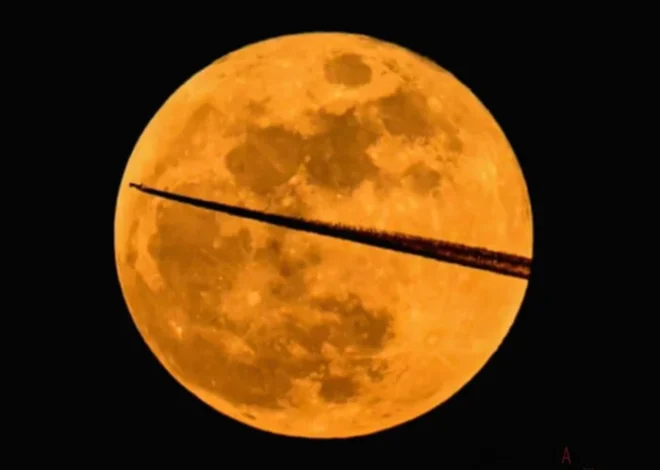
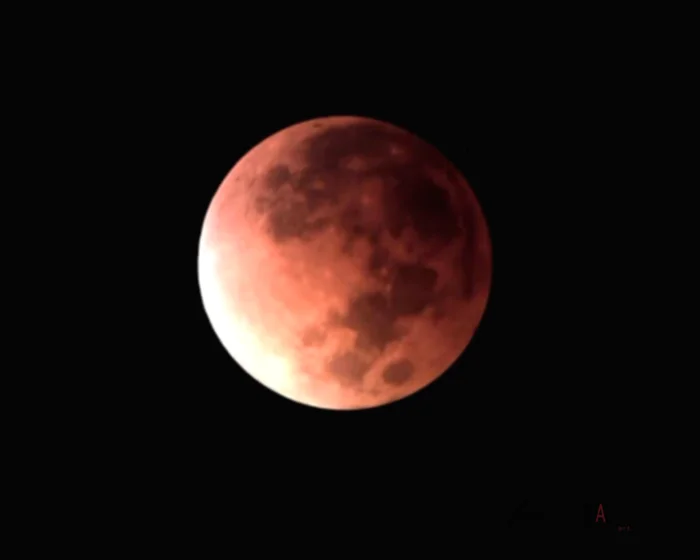
Witness the Rare Blood Moon Lunar Eclipse Timelapse in NZ
Residents of New Zealand and astronomy enthusiasts across the globe are eagerly awaiting the rare blood moon lunar eclipse set to grace the night sky. This celestial spectacle, known for its dramatic transformation of the moon’s color, promises to be an awe-inspiring event. As the earth, moon, and sun align perfectly, casting a shadow on the lunar surface, observers will be treated to a breathtaking view of the moon bathed in a reddish hue. This phenomenon, which occurs only a few times each decade, is highly anticipated not only for its beauty but also for its scientific significance.
The Science Behind the Blood Moon
The term
blood moon
is derived from the reddish color the moon takes on during a total lunar eclipse. This occurs when the Earth passes directly between the Sun and the Moon, casting a shadow that completely covers the lunar surface. The reddish tint is the result of Rayleigh scattering, the same effect that causes sunsets to appear red. As sunlight passes through the Earth’s atmosphere, shorter wavelengths of light are scattered out, while the longer red wavelengths are refracted and illuminate the moon.
During a total lunar eclipse, the moon can appear anywhere from a deep brown to a vibrant coppery red, depending on atmospheric conditions. Factors such as volcanic eruptions and air pollution can influence the exact hue and intensity of the blood moon. This natural event provides a unique opportunity for scientists to study the Earth’s atmosphere and gain insights into its composition and changes over time.
Rare Blood Moon Lunar Eclipse Captivates New Zealand
The rare blood moon lunar eclipse is a particularly special event for New Zealanders. As one of the first countries to witness the eclipse, New Zealand offers prime viewing opportunities due to its clear skies and minimal light pollution. Astronomers and photographers from around the world are expected to flock to the region to capture the celestial event in all its glory.
Local observatories and astronomy clubs are gearing up for the occasion, organizing public viewings and educational events to engage the community. The Carter Observatory in Wellington, for example, plans to host a special viewing night complete with telescopes and expert talks on the science behind the eclipse. Meanwhile, amateur astronomers are preparing their own equipment to document the event, hoping to capture stunning images and timelapses of the moon’s transformation.
Preparing for the Celestial Show
For those planning to witness the rare blood moon lunar eclipse, preparation is key. The eclipse is set to occur over several hours, with different phases offering varying views of the moon’s transition. To fully appreciate the event, observers should find a location with an unobstructed view of the night sky, away from city lights and other sources of light pollution.
Binoculars or a telescope can enhance the viewing experience, allowing spectators to see the moon’s surface in greater detail. Photography enthusiasts should consider using a tripod and a camera with manual settings to capture the eclipse’s progression. Long exposure times may be necessary to accurately capture the moon’s color and brightness.
The Cultural Significance of Lunar Eclipses
Lunar eclipses have held cultural and spiritual significance for various civilizations throughout history. Many ancient cultures viewed eclipses as omens or messages from the gods, interpreting the blood moon as a sign of change or impending events. In some indigenous cultures, the eclipse is seen as a time for reflection and renewal, offering an opportunity to connect with the natural world and ancestors.
Today, the rare blood moon lunar eclipse continues to captivate people’s imaginations, inspiring awe and wonder. For many, it serves as a reminder of the vastness of the universe and the intricate dance of celestial bodies. Social media platforms are expected to be abuzz with images and reactions as people across the globe share their experiences of the eclipse.
Tips for Capturing the Rare Blood Moon Lunar Eclipse
Photographers eager to capture the rare blood moon lunar eclipse should take note of several key tips to ensure the best results. First, planning is crucial. Checking local weather forecasts and scouting locations in advance can help avoid last-minute obstacles. Choosing a vantage point with interesting foreground elements, such as trees or landmarks, can add depth and context to photographs.
Using a telephoto lens will allow photographers to zoom in on the moon and capture its details. Adjusting the camera’s ISO, aperture, and shutter speed settings will be necessary to accommodate the changing light conditions during the eclipse. Bracketing exposures can provide a range of images to work with during post-processing, ensuring that the final shot accurately represents the moon’s color and brightness.
Global Interest in the Astronomical Event
The rare blood moon lunar eclipse is not only a highlight for New Zealand but also for stargazers worldwide. As news of the event spreads, interest in astronomy and space science is expected to surge, drawing attention to the wonders of the universe. Educational institutions are seizing the opportunity to engage students with interactive lessons and projects centered around the eclipse, fostering a new generation’s curiosity about space exploration.
Television networks and online platforms are preparing to broadcast live coverage of the eclipse, offering audiences a chance to witness the phenomenon in real-time. Scientific discussions and expert panels are also scheduled, providing viewers with insights into the mechanics of lunar eclipses and their broader implications for our understanding of the cosmos.
A Rare Opportunity for Researchers
For scientists, the rare blood moon lunar eclipse presents a valuable opportunity for research and exploration. By studying the light filtering through the Earth’s atmosphere during the eclipse, researchers can gather data on atmospheric composition and pollution levels. This information can contribute to our understanding of climate change and its impact on the environment.
Additionally, the eclipse allows astronomers to observe the moon’s surface under unique lighting conditions, revealing details that are not typically visible. This can lead to new discoveries about the moon’s geology and history, further enriching our knowledge of Earth’s closest celestial neighbor.