Rare Seals Hiding in Caves to Escape Greek Tourists
The serene coastal areas of Greece, renowned for their breathtaking beauty and tourist appeal, are now witnessing a peculiar yet concerning phenomenon. Rare seals hiding in caves have become a common sight, as these elusive marine creatures seek refuge from the increasing human activity along the shores. This unusual behavior is prompting both concern and interest from scientists, conservationists, and local authorities as they grapple with the delicate balance between tourism and wildlife preservation.
Surge in Tourism and Its Impact
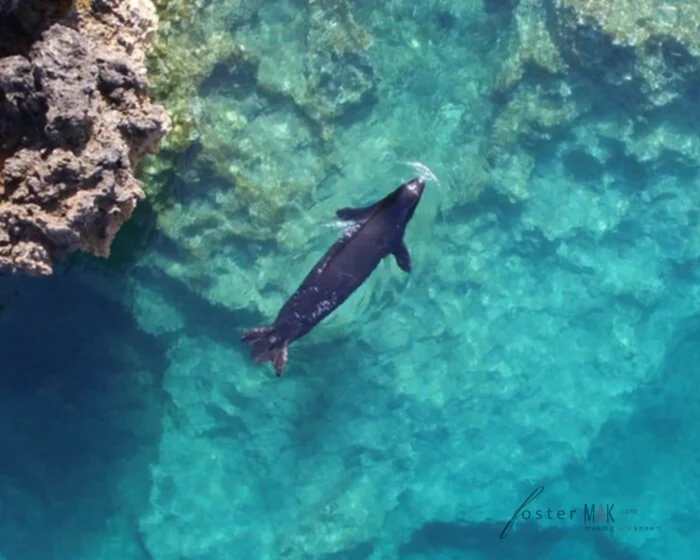
Greece has long been a favorite destination for travelers worldwide, with its picturesque beaches and crystal-clear waters drawing millions annually. However, the surge in tourism has led to a significant increase in human activity along the coastlines, often encroaching on the natural habitats of native wildlife. The Mediterranean monk seal, one of the world’s most endangered marine mammals, is particularly affected by this trend.
A Rare Glimpse of the Mediterranean Monk Seal
The Mediterranean monk seal is a rare species, with an estimated population of fewer than 700 individuals. These seals are known for their solitary nature and preference for secluded areas, making the recent sightings of rare seals hiding in caves all the more intriguing. Once widespread across the Mediterranean, the monk seal has seen its habitat shrink dramatically due to urban development, pollution, and increasing human interference.
The Role of Caves as Sanctuaries
In response to the growing disturbance, many monk seals have taken to the natural caves scattered along the Greek coastline. These caves provide the seals with a much-needed sanctuary away from prying eyes and noise. The secluded nature of these caves offers the seals a safe haven where they can rest, give birth, and nurse their young without the constant threat of human intrusion.
Rare Seals Hiding in Caves: A Survival Strategy
The decision of rare seals hiding in caves is not merely a random choice but rather a strategic survival tactic. The caves offer protection from both natural predators and human activities that threaten their existence. As tourists flock to the beaches, the seals retreat further inland, often seeking the darkest and most inaccessible caves to ensure their safety.
Challenges of Monitoring and Conservation
While the presence of rare seals hiding in caves is a testament to their adaptability, it also poses significant challenges for conservation efforts. Monitoring the seals in these secluded environments is difficult, and researchers often rely on remote cameras and sensors to study their behavior without causing additional stress. The need for effective conservation strategies is more pressing than ever, as scientists work to protect these seals from the dual threats of habitat loss and human disturbance.
Balancing Tourism and Wildlife Protection
Local authorities and environmental organizations face the daunting task of balancing the booming tourism industry with the need to protect vulnerable wildlife. Efforts are being made to regulate tourist activities in sensitive areas, with some beaches implementing restricted zones to minimize human impact on seal habitats. Public awareness campaigns are also underway, educating visitors about the importance of respecting wildlife and maintaining a safe distance from seal colonies.
Conservation Efforts and Community Involvement
The plight of rare seals hiding in caves has spurred a wave of conservation initiatives across Greece. Organizations dedicated to the preservation of marine life are working tirelessly to safeguard the future of the Mediterranean monk seal. These efforts include habitat restoration projects, research on seal behavior and health, and advocacy for stricter environmental regulations.
Engaging Local Communities
Community involvement is crucial in ensuring the success of conservation efforts. Local residents, who often share their coastal areas with these seals, are being encouraged to participate in monitoring programs and report any sightings to authorities. By fostering a sense of stewardship among the local population, conservationists hope to create a sustainable environment where both humans and wildlife can thrive.
Innovative Solutions for Seal Protection
Innovative solutions are being explored to address the challenges posed by rare seals hiding in caves. Technological advancements, such as the use of drones and underwater cameras, have enabled researchers to gather valuable data on seal populations without disturbing their natural habitats. These tools are instrumental in developing targeted conservation strategies that address the specific needs of the monk seal population.
The Road Ahead for Monk Seal Conservation
The situation of rare seals hiding in caves underscores the urgent need for comprehensive conservation efforts tailored to the unique challenges faced by the Mediterranean monk seal. As tourism continues to flourish, it is imperative that measures are put in place to protect these vulnerable marine creatures and their habitats.
Building a Sustainable Future
Building a sustainable future for both the seals and the communities that rely on tourism requires a collaborative approach. Stakeholders from various sectors, including government agencies, conservation organizations, and the tourism industry, must work together to create policies that prioritize the well-being of wildlife while supporting economic growth.
The Role of International Cooperation
International cooperation is also vital in addressing the broader environmental issues affecting the Mediterranean region. Cross-border collaborations can facilitate the sharing of knowledge, resources, and best practices, ultimately contributing to more effective conservation outcomes for the monk seal and other endangered species.
The phenomenon of rare seals hiding in caves serves as a poignant reminder of the delicate balance between human activity and wildlife preservation. As Greece continues to attract tourists to its stunning coastlines, it is crucial to ensure that the natural beauty and biodiversity of the region are protected for generations to come.