Discover How a Retreating Kashmir Glacier Transforms Nature
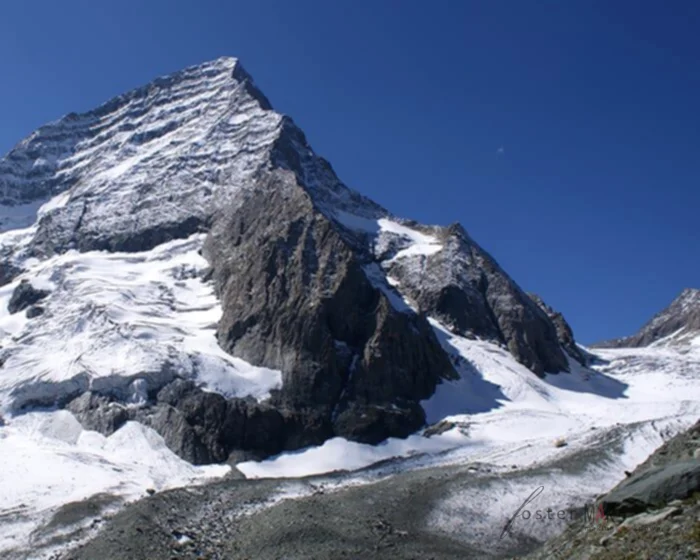
In the heart of the Himalayas, where the majestic peaks stand as guardians of the lush valleys below, a retreating Kashmir glacier is quietly altering the landscape and ecosystems in ways that are both profound and unsettling. The icy behemoths of this region have long been a source of awe and inspiration, but their rapid retreat due to climate change is now a harbinger of ecological transformation.
The Icy Giants of Kashmir
The Kashmir region, known for its breathtaking landscapes and diverse ecosystems, hosts numerous glaciers that are vital for the environment and communities. These glaciers serve as crucial water sources, feeding rivers and streams that support agriculture and provide drinking water. However, the changing climate is putting immense pressure on these glaciers, causing them to shrink at an alarming rate.
The retreat of these glaciers is not just a local issue but a global concern. As glaciers melt, they contribute to rising sea levels, threatening coastal communities worldwide. In Kashmir, the impact is more immediate and visible, affecting everything from water availability to biodiversity.
The Science Behind Glacier Retreat
Scientists have long studied the dynamics of glaciers to understand their behavior and predict future changes. A retreating Kashmir glacier provides a unique case study due to its location and the diverse climatic influences affecting it. The primary cause of glacier retreat is rising temperatures, which lead to increased melting and reduced snowfall.
In addition to temperature changes, other factors such as black carbon deposits from industrial pollution play a significant role. These tiny particles settle on the glacier’s surface, reducing its albedo, or reflectivity, and causing it to absorb more heat. This accelerates the melting process, further contributing to the glacier’s retreat.
A Retreating Kashmir Glacier Impacts Water Resources
The retreat of glaciers in Kashmir has severe implications for water resources in the region. Glaciers act as natural reservoirs, storing water in the form of ice during the winter and releasing it slowly during the summer. This process ensures a steady supply of water throughout the year. However, as glaciers shrink, this balance is disrupted.
Communities that rely on glacier-fed rivers for agriculture and drinking water are particularly vulnerable. With less ice to melt, the flow of water during the crucial summer months is reduced, leading to water shortages. This scarcity affects crop yields and can exacerbate existing tensions over water rights and usage.
Ecological Shifts and Biodiversity Challenges
As the glaciers retreat, the ecosystems that depend on them are also undergoing significant changes. The meltwater from glaciers supports a variety of plant and animal species, creating unique habitats that are not found elsewhere. With less water available, these ecosystems are under threat, leading to a loss of biodiversity.
The retreat of a Kashmir glacier also opens up new areas for colonization by species that were previously unable to survive in the harsh, icy environment. This can lead to shifts in species composition and the introduction of invasive species, which can further disrupt the delicate balance of these ecosystems.
Human Adaptation and Societal Impacts
The retreating glaciers in Kashmir are not just an environmental issue; they have profound implications for the people who live in the region. As water resources dwindle, communities are forced to adapt in various ways. Some have turned to alternative water sources, such as groundwater, while others have implemented water-saving technologies in agriculture.
However, these adaptations come at a cost. The increased reliance on groundwater can lead to over-extraction, causing the water table to drop and affecting the availability of water for future generations. Additionally, the economic burden of adapting to these changes can strain already limited resources in the region.
The Role of Policy and International Cooperation
Addressing the challenges posed by a retreating Kashmir glacier requires coordinated efforts at both the national and international levels. Policymakers must prioritize sustainable water management practices and invest in research to better understand the impacts of glacier retreat. International cooperation is also essential, as the effects of climate change and glacier retreat transcend national borders.
Efforts to reduce greenhouse gas emissions and mitigate climate change are critical in slowing the retreat of glaciers. Additionally, initiatives to reduce pollution and black carbon deposits can help preserve the remaining glaciers and their crucial role in the environment.
Observations from the Field: A Firsthand Account
Researchers and environmentalists working in the region have provided invaluable insights into the changes occurring due to glacier retreat. Their observations highlight the rapid pace of change and the need for immediate action. Studies have documented the shrinking size of glaciers, changes in river flow patterns, and the loss of habitat for various species.
These firsthand accounts serve as a stark reminder of the urgent need to address the impacts of climate change. They also underscore the resilience and adaptability of local communities, who are finding new ways to cope with the challenges posed by a changing environment.
Looking Ahead: What the Future Holds
The future of Kashmir’s glaciers is uncertain, and much depends on the actions taken today. While the current trends are alarming, there is still hope for preserving these vital ecosystems. Continued research and monitoring are essential to understanding the full impact of glacier retreat and developing effective strategies to mitigate its effects.
Public awareness and education are also critical in fostering a sense of stewardship for the environment. By understanding the importance of glaciers and the role they play in sustaining life, individuals and communities can become advocates for change and work towards a more sustainable future.
A Landscape Transformed by Climate Change
The retreat of glaciers in Kashmir is a powerful symbol of the broader environmental changes occurring across the globe. As these icy giants continue to shrink, they transform the landscape and challenge the resilience of ecosystems and communities. The story of a retreating Kashmir glacier is a reminder of the interconnectedness of our world and the need for collective action to address the challenges of climate change.