
Can Rio Carnival Ditch Glitter and Save Beaches from Microplastic
The Rio carnival is one of the world’s most iconic celebrations drawing millions of tourists to Brazil each year. However, behind the glitter and glamour lies a growing environmental concern that threatens the very beauty of the city’s famed beaches. The issue of microplastics has become a hot topic as researchers and environmentalists raise alarms over the potential damage caused by the festival’s extravagant use of glitter and other plastic products.
A Glittering Tradition Under Scrutiny
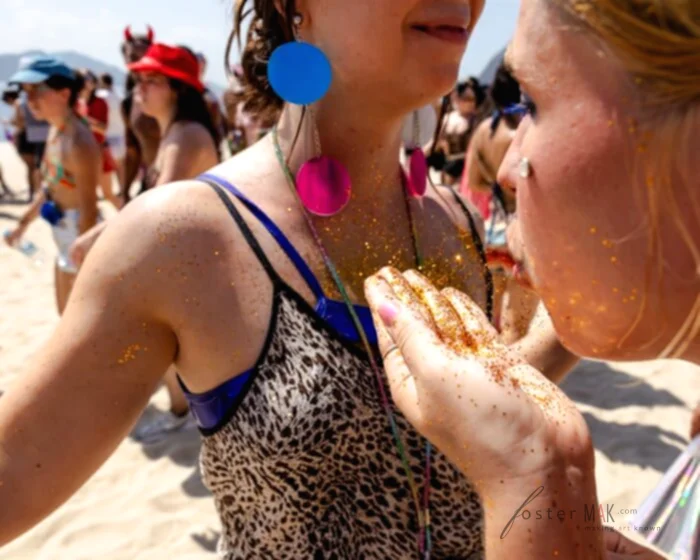
The Rio carnival is synonymous with vibrant parades, elaborate costumes, and copious amounts of glitter. For decades, glitter has been an integral part of the festival, adding sparkle and shine to costumes and floats. However, glitter is essentially a microplastic, composed of tiny bits of plastic and aluminum. Once washed away by rain or during the removal process, these minuscule particles often end up in the ocean, contributing to the global microplastic pollution problem.
Microplastics are defined as plastic particles less than five millimeters in diameter. They pose a significant threat to marine life, as they can be ingested by small fish and other sea creatures, eventually making their way up the food chain to humans. The festive use of glitter in the Rio carnival exacerbates this issue, leading to increased environmental scrutiny and calls for change.
Calls for Change Amidst Carnival Celebrations
As awareness of the environmental impact of glitter has grown, so too have calls for the Rio carnival to adopt more sustainable practices. Environmental groups have been vocal about the need to reduce the use of microplastics, urging organizers to consider biodegradable alternatives. Several local NGOs have started campaigns to educate the public about the risks associated with glitter and are advocating for a shift towards eco-friendly options.
This movement has gained traction among some schools of samba and carnival groups, who are beginning to explore more sustainable materials for their costumes and floats. Some participants have already started using biodegradable glitter made from plant materials, which breaks down naturally and poses less risk to marine ecosystems.
Rio Carnival and Microplastics: A Growing Environmental Concern
The issue of Rio carnival and microplastics has caught the attention of scientists and environmentalists worldwide. Studies have shown that beaches in Rio de Janeiro experience a significant increase in microplastic pollution during and after the carnival. The influx of tourists and the sheer volume of glitter used contribute to the problem, creating a challenging situation for local authorities tasked with maintaining the cleanliness of the beaches.
Efforts to quantify the extent of microplastic pollution caused by the carnival are ongoing, with researchers conducting beach clean-ups and analyzing water samples. These studies aim to provide concrete data that can be used to advocate for policy changes and promote sustainable practices within the carnival community.
Sustainable Alternatives: The Future of Carnival Celebrations
In response to the growing concerns about microplastics, several companies have begun to develop eco-friendly alternatives to traditional glitter. Biodegradable glitters made from plant cellulose are gaining popularity as they offer the same sparkling effect without the environmental cost. These products are designed to break down in natural environments, reducing the risk of pollution.
Some carnival organizers are also exploring the use of natural dyes and sustainable fabrics for costumes. By incorporating these materials, the carnival can maintain its vibrant aesthetic while minimizing its environmental footprint. The challenge lies in encouraging widespread adoption of these alternatives among participants and vendors, many of whom are accustomed to the traditional materials.
The Role of Policy and Regulation
Government intervention may play a crucial role in addressing the environmental impact of the Rio carnival. Policymakers in Brazil are being urged to implement regulations that limit the use of microplastics in festivals and public events. Such measures could include restrictions on the sale and use of non-biodegradable glitter, as well as incentives for companies that produce eco-friendly alternatives.
Local authorities are also considering measures to improve waste management during the carnival. Enhanced recycling programs and public awareness campaigns could help reduce the overall environmental impact of the festival, encouraging both locals and tourists to adopt more sustainable behaviors.
Engaging the Public in the Fight Against Microplastics
Public engagement is critical to tackling the issue of Rio carnival and microplastics. Education and awareness campaigns can empower individuals to make informed choices about the products they use and the impact they have on the environment. Social media has become a powerful tool in spreading awareness, with hashtags and online challenges encouraging people to choose biodegradable glitter and other sustainable options.
Collaborations between environmental organizations and carnival groups can further promote sustainable practices. Workshops and seminars focused on eco-friendly materials and techniques can provide participants with the knowledge and resources they need to make environmentally conscious decisions.
The Global Implications of Local Actions
The efforts to address microplastic pollution at the Rio carnival have broader implications for environmental sustainability worldwide. As one of the largest and most famous festivals, the carnival sets a precedent for other large-scale events. By adopting sustainable practices, the Rio carnival can serve as a model for festivals globally, demonstrating that it is possible to celebrate in style without compromising the planet’s health.
The move towards eco-friendly alternatives is part of a larger global trend aimed at reducing plastic pollution. As awareness grows, more festivals and events around the world are likely to follow suit, adopting sustainable practices and reducing their reliance on microplastics.
A Carnival of Change
The Rio carnival stands at a crossroads, with the potential to lead a significant shift towards sustainability in festival culture. As the world grapples with the environmental challenges posed by microplastics, the carnival has an opportunity to be part of the solution. By embracing eco-friendly alternatives and promoting awareness, the festival can continue to dazzle and delight while preserving the natural beauty of Rio’s beaches for future generations.