Shetland Scallop Fishers Brace for UKs Largest Salmon Farm Arriva
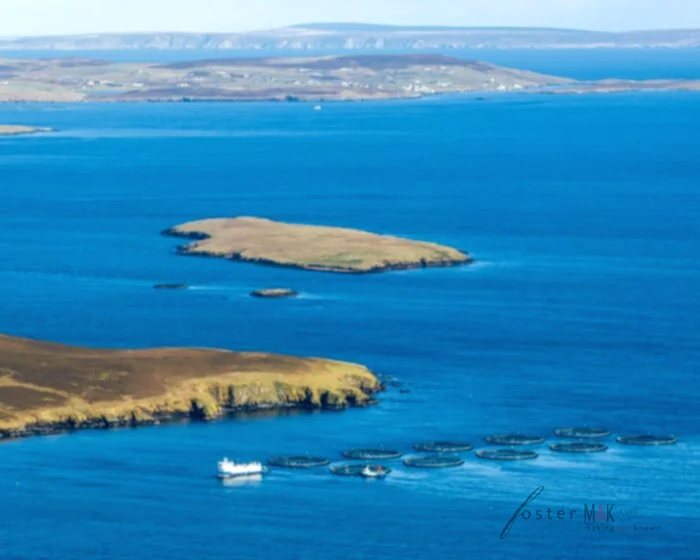
Shetland scallop fishers brace for what could be a transformative moment in their community as plans for the UK’s largest salmon farm proceed. This development has sparked both excitement and concern among the local population. The proposed salmon farm, expected to be a major boost to the local economy, is also raising questions about its potential impact on the region’s traditional scallop fishing industry. The new development is set to be located off the coast of Shetland, an area renowned for its pristine maritime environment and its thriving scallop fisheries.
An Ambitious Undertaking
The project, spearheaded by a leading aquaculture company, aims to establish the largest salmon farm in the United Kingdom. The farm is projected to produce tens of thousands of tonnes of salmon annually, making it a significant player in the global seafood market. This venture represents a substantial investment in the local economy and promises to create numerous jobs for the community. Proponents argue that the farm will bolster Shetland’s position as a pivotal hub for aquaculture in the UK, further enhancing its reputation for high-quality seafood production.
However, the scale of this undertaking has not been without its controversies. Environmentalists and local fishers have expressed concerns about the potential ecological consequences of such a large-scale operation. They fear that the salmon farm could disrupt marine life in the area and negatively affect the local scallop populations. The debate highlights the delicate balance between economic development and environmental preservation, a challenge faced by many coastal communities worldwide.
Shetland Scallop Fishers Brace for Change
As Shetland scallop fishers brace for the impending changes, they find themselves at a crossroads. Scallop fishing has been a cornerstone of the local economy for generations, providing livelihoods for many families and contributing significantly to Shetland’s cultural heritage. The introduction of the salmon farm brings with it the possibility of increased competition for maritime resources, as well as potential changes in water quality and marine ecosystems.
Local fishers are concerned about the impact that the salmon farm may have on the scallop beds, which require clean and stable conditions to thrive. They worry that the farm’s operations might lead to pollution and habitat disruption, thereby threatening the sustainability of their traditional fishing grounds. In response, the scallop fishers are advocating for stringent environmental assessments and monitoring to ensure that their industry can coexist with the new development.
Community Voices and Concerns
The controversy surrounding the salmon farm has sparked widespread debate within the Shetland community. Public meetings and forums have been held to discuss the potential impacts and benefits of the project. Many residents are hopeful that the farm will bring economic prosperity and job opportunities, particularly for young people seeking employment in the region. However, there is also a strong sentiment among locals that the project must be managed carefully to protect Shetland’s unique maritime environment.
Environmental groups have been vocal in their opposition to the salmon farm, citing concerns about waste management and the use of chemicals in aquaculture. They argue that the introduction of such a large operation could lead to significant ecological changes, affecting not only scallops but also other marine species. These groups are calling for a comprehensive environmental impact assessment before any construction begins, ensuring that the farm’s operations are sustainable and do not compromise the health of Shetland’s waters.
The Economic Perspective
From an economic standpoint, the salmon farm represents a significant opportunity for growth in Shetland. The aquaculture industry is one of the fastest-growing sectors in the global food market, and Shetland’s strategic location makes it an ideal site for expansion. The proposed farm is expected to generate substantial revenue and provide a steady supply of salmon for both domestic and international markets.
Supporters of the project emphasize the potential for job creation and increased economic activity in the region. The farm is predicted to employ hundreds of workers in various roles, from fish husbandry to logistics and distribution. This influx of employment opportunities is particularly appealing in a region where economic diversification is necessary to sustain the local economy.
Environmental Safeguards and Regulations
As Shetland scallop fishers brace for the development of the salmon farm, the need for stringent environmental regulations becomes paramount. The aquaculture company behind the project has committed to implementing best practices and adhering to strict environmental standards. This includes measures to minimize waste, reduce the use of antibiotics and chemicals, and monitor the health of surrounding ecosystems.
Government agencies and regulatory bodies are expected to play a crucial role in overseeing the project’s compliance with environmental laws. Regular inspections and assessments will be essential to ensure that the salmon farm operates sustainably and does not adversely impact the surrounding marine environment. The involvement of local stakeholders, including scallop fishers, in these processes will be critical to maintaining transparency and accountability.
A Future of Coexistence?
The proposed salmon farm presents a complex challenge for Shetland, requiring careful consideration of both economic and environmental factors. The potential for economic growth and job creation must be weighed against the need to preserve the region’s natural resources and traditional industries. Achieving a balance that benefits all stakeholders will require collaboration and dialogue among community members, industry leaders, and environmental advocates.
As Shetland scallop fishers brace for this new chapter, there is hope that innovative solutions can be found to ensure the coexistence of scallop fishing and salmon farming. By prioritizing sustainability and responsible practices, Shetland can continue to thrive as a leader in both traditional and modern seafood production.