Adelaides Tour Down Under Dilemma Cycling Boom Turns Sour
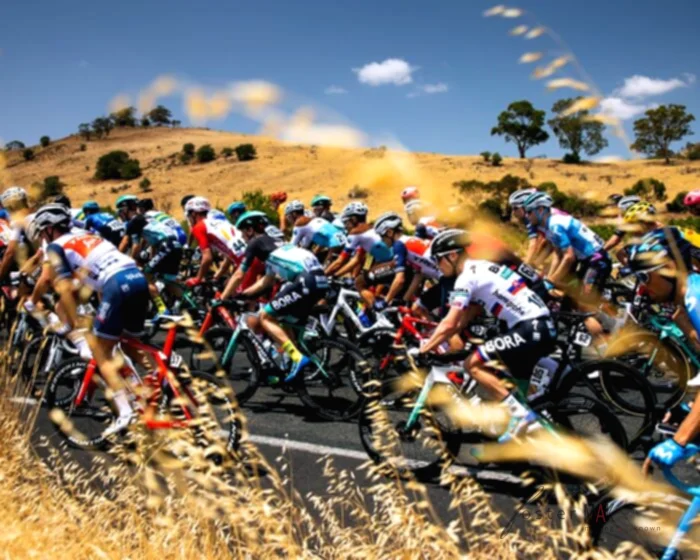
Adelaide, the vibrant capital of South Australia, has long been celebrated for its love of cycling, particularly during the annual Tour Down Under Cycling Adelaide event. This esteemed competition, which attracts professional cyclists from across the globe, is not just a sporting spectacle but a major economic driver for the city. However, recent developments have cast a shadow over this once harmonious relationship between the city and its cycling boom.
The Rise of Adelaide’s Cycling Culture
Adelaide’s transformation into a cycling hub began over two decades ago when the Tour Down Under was first introduced in 1999. The event quickly gained international recognition, becoming the first race outside Europe to be granted UCI WorldTour status. This recognition brought an influx of professional teams and athletes, boosting local tourism and placing Adelaide on the global cycling map.
Local governments seized the opportunity to promote cycling as a healthy and environmentally friendly mode of transport. Investments were made in cycling infrastructure, with the development of dedicated bike lanes, cycling paths, and public awareness campaigns. The city’s commitment to cycling was further cemented by hosting the Tour Down Under, which brought increased media attention and a significant rise in the number of local cycling enthusiasts.
Economic Impact and Community Engagement
The Tour Down Under Cycling Adelaide became a crucial event for the local economy. According to data from the South Australian Tourism Commission, the event generated millions of dollars annually, attracting thousands of visitors who contributed to the hospitality and retail sectors. Hotels, restaurants, and local businesses benefited from the influx of tourists, with many establishments reporting record sales during the event period.
Community engagement was also a significant aspect of the Tour Down Under. The event fostered a sense of pride among residents, who actively participated in festivities, volunteer activities, and amateur cycling events. Schools and local clubs organized cycling-themed events, further embedding cycling culture within the community. The city’s identity became intertwined with the sport, bolstering Adelaide’s reputation as a cyclist-friendly destination.
The Challenges Facing the Tour Down Under
Despite these successes, the Tour Down Under Cycling Adelaide has faced mounting challenges in recent years. One of the primary issues is the escalating costs associated with hosting the event. Local governments have struggled to balance the financial demands of organizing a world-class race with other budgetary priorities, leading to questions about the sustainability of continuing to host the event at its current scale.
Moreover, there has been growing public concern over the environmental impact of the race. While cycling is promoted as an eco-friendly sport, the logistics of organizing such a large-scale event involve considerable carbon emissions from transportation, infrastructure setup, and waste management. Environmental groups have called for greater transparency and measures to mitigate the environmental footprint of the Tour Down Under.
Tour Down Under Cycling Adelaide: A Divided Public Opinion
Public opinion in Adelaide regarding the Tour Down Under Cycling Adelaide is increasingly divided. Supporters argue that the event brings significant economic and cultural benefits to the city, enhancing its global profile and fostering community spirit. They emphasize the importance of maintaining Adelaide’s status as a premier destination for cycling enthusiasts.
Conversely, critics highlight the financial and environmental costs, questioning whether the benefits truly outweigh the drawbacks. Some residents feel that public funds could be better allocated to other pressing issues such as healthcare, education, and infrastructure development. The debate has sparked heated discussions among local politicians, community leaders, and the general public.
Environmental Concerns and Sustainability Efforts
In response to environmental concerns, organizers of the Tour Down Under Cycling Adelaide have initiated efforts to enhance the event’s sustainability. These include measures to reduce waste, promote recycling, and utilize renewable energy sources for event operations. Additionally, partnerships with environmental organizations aim to offset carbon emissions through tree-planting initiatives and other conservation projects.
Despite these efforts, environmental advocates argue that more comprehensive strategies are necessary to address the ecological impact effectively. They call for a holistic approach that encompasses not only the event itself but also broader considerations such as transportation emissions and resource consumption.
The Future of Cycling in Adelaide
The debate surrounding the Tour Down Under Cycling Adelaide raises broader questions about the future of cycling in Adelaide. While the event has undoubtedly played a pivotal role in promoting the city as a cycling destination, the ongoing challenges necessitate a reevaluation of its approach to cycling promotion and event management.
One potential avenue is to diversify cycling-related activities beyond the Tour Down Under. This could involve investing in local cycling infrastructure, supporting community-led cycling initiatives, and promoting year-round cycling tourism. By broadening its focus, Adelaide can continue to nurture its cycling culture while addressing concerns related to sustainability and public funding.
As Adelaide grapples with these complex issues, the city’s commitment to cycling remains steadfast. The Tour Down Under Cycling Adelaide has left an indelible mark on the community, highlighting both the opportunities and challenges inherent in hosting an internationally acclaimed sporting event. The path forward will require careful consideration and collaboration among stakeholders to ensure that Adelaide continues to thrive as a cycling capital while addressing the evolving needs and concerns of its residents.