Discover How Climate Change Alters Tropical Plant Blooming Cycles
In recent years, a remarkable shift has been observed in the world of tropical flora. One of the most striking changes is the phenomenon of tropical plants flowering months earlier than traditionally expected. This unexpected alteration in blooming cycles has left scientists and ecologists scrambling for answers. As climate change continues to reshape ecosystems worldwide, the impact on plant life, particularly in tropical regions, has become a critical area of study.
An Unexpected Phenomenon in the Tropics
In the lush rainforests and vibrant landscapes of tropical regions, the timing of plant life cycles plays a crucial role in maintaining ecological balance. Historically, tropical plants have adhered to predictable blooming schedules, often tied to the region’s unique climate conditions. However, recent observations indicate that many tropical species are now flowering significantly earlier than their historical patterns suggest.
This shift in blooming time has intrigued and alarmed scientists. The early flowering of tropical plants poses questions about the underlying causes and potential consequences for the ecosystems they inhabit. As researchers delve deeper into this phenomenon, the role of climate change emerges as a central factor.
Climate Change as a Driving Force
The link between climate change and alterations in plant phenology is well-documented, with rising temperatures and shifting precipitation patterns being primary drivers. In tropical regions, where temperatures are typically stable, even slight changes can have profound effects. Scientists assert that global warming is influencing the cues that trigger plant flowering, leading to these premature blooms.
Studies conducted across various tropical ecosystems reveal that the earlier flowering of plants is closely correlated with increasing temperatures. As global temperatures rise, the natural signals that prompt plants to bloom, such as temperature thresholds and photoperiods, are being disrupted. This disruption results in plants flowering ahead of their usual schedule, an adaptation that could have far-reaching ecological implications.
Tropical Plants Flowering Months Earlier: Ecological Impacts
The phenomenon of tropical plants flowering months earlier holds significant implications for the ecosystems they inhabit. Plants serve as foundational components of food webs, providing resources for a multitude of species. Changes in flowering times can ripple through these systems, affecting everything from pollinators to herbivores.
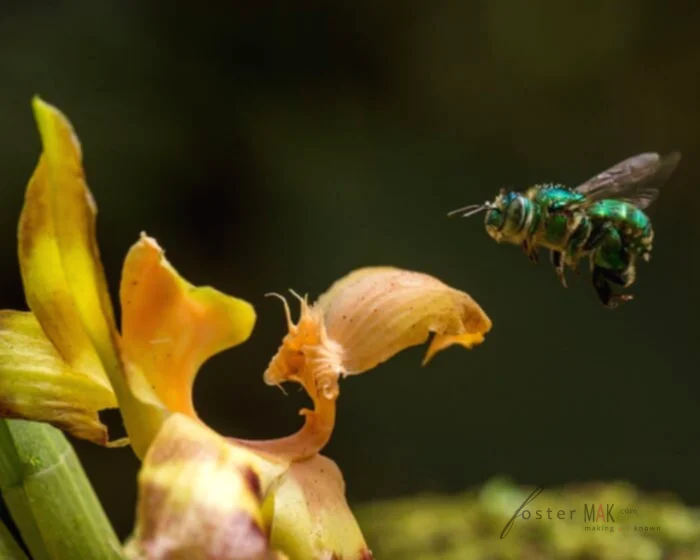
Pollinators, such as bees and butterflies, rely on the synchrony of plant flowering to access vital food sources. When plants bloom earlier, it can lead to a mismatch between the availability of flowers and the presence of pollinators. This temporal disconnect can reduce pollination success, thereby impacting plant reproduction and the production of seeds.
Furthermore, the shift in flowering times may influence herbivores that depend on specific plant species for sustenance. If plants flower and subsequently fruit earlier, herbivores may find themselves facing food shortages at critical times. This can lead to population declines and disrupt the intricate balance of tropical ecosystems.
The Role of Research and Monitoring
To better understand the consequences of tropical plants flowering months earlier, researchers are intensifying their efforts to monitor these changes. Long-term phenological studies are being conducted in various tropical regions to track the timing of plant life cycles and identify patterns.
These studies involve meticulous observations of plant species, documenting flowering times and correlating them with environmental data. By analyzing these trends, scientists aim to unravel the complex interplay between climate variables and plant phenology. This research is crucial for developing predictive models that can anticipate future changes and inform conservation strategies.
Adaptive Strategies and Potential Solutions
As the phenomenon of tropical plants flowering months earlier becomes more pronounced, scientists and conservationists are exploring adaptive strategies to mitigate its impacts. One approach involves the conservation and restoration of habitats that support diverse plant and animal communities. By maintaining healthy ecosystems, the resilience of these systems can be bolstered against the challenges posed by climate change.
In addition, researchers are investigating the potential for assisted migration. This strategy involves relocating plant species to areas where the climate remains suitable for their growth and reproduction. Assisted migration is a controversial approach, as it risks unintended ecological consequences. However, it may become an essential tool as climate change continues to alter the distribution of suitable habitats.
Tropical Plants Flowering Months Earlier: A Call for Global Action
The phenomenon of tropical plants flowering months earlier serves as a stark reminder of the broader impacts of climate change on natural systems. It underscores the urgent need for global action to address the root causes of climate change and reduce greenhouse gas emissions. The fate of tropical ecosystems, and the countless species they support, hangs in the balance.
International collaboration among scientists, policymakers, and conservation organizations is crucial to effectively tackle the challenges posed by climate change. By sharing knowledge and resources, the global community can work towards solutions that protect tropical biodiversity and ensure the sustainability of these vital ecosystems.
Engaging the Public in Conservation Efforts
Raising public awareness about the issue of tropical plants flowering months earlier is essential for garnering support for conservation initiatives. Public engagement can drive policy changes and encourage individuals to adopt sustainable practices that contribute to mitigating climate change.
Educational campaigns, citizen science projects, and community-based conservation programs are effective tools for involving the public in efforts to protect tropical ecosystems. By fostering a sense of stewardship and responsibility, these initiatives empower individuals to make meaningful contributions to the conservation of our planet’s biodiversity.
As scientists continue to unravel the complexities of this phenomenon, the need for informed and coordinated action becomes increasingly apparent. Tropical plants flowering months earlier is not just a scientific curiosity but a critical indicator of the broader challenges facing our planet. It serves as a call to action for all of us to safeguard the natural world for future generations.