Trumps Assault on the Environment Unprecedented Moves and the Lac
In recent years, the environmental policies of former President Donald Trump have been the subject of intense scrutiny and debate. Trumps assault on the environment has been characterized by a series of unprecedented moves that have sparked both national and international concern. From rolling back critical environmental protections to championing fossil fuel development, these actions have had far-reaching implications for climate change, biodiversity, and public health.
A Shift in Environmental Policy
When Donald Trump took office in January 2017, he brought with him a clear agenda to dismantle many of the environmental protections put in place by his predecessors. His administration quickly moved to weaken regulations that were designed to combat climate change and protect natural resources. One of his first major actions was to announce plans to withdraw the United States from the Paris Agreement, a landmark international accord aimed at limiting global warming.
The decision to leave the Paris Agreement signaled a dramatic shift in the United States’ commitment to addressing climate change. Critics argued that this move not only undermined global efforts to reduce greenhouse gas emissions but also diminished America’s leadership role in international climate negotiations. The Trump administration justified the decision by claiming that the agreement was unfair to American workers and industries but environmentalists and scientists warned of the long-term consequences for the planet.
Deregulation and Its Impact
A cornerstone of Trump’s environmental strategy was deregulation. His administration targeted a wide range of environmental regulations, arguing that they were burdensome for businesses and stifled economic growth. This included rolling back rules related to clean air and water, endangered species protection, and public lands management.
One of the most controversial regulatory rollbacks was the repeal of the Clean Power Plan, an Obama-era initiative aimed at reducing carbon emissions from power plants. The Trump administration replaced it with the Affordable Clean Energy rule, which offered states more flexibility in setting their own emissions standards. Critics contended that this approach would result in weaker environmental protections and potentially increase pollution levels.
Another significant move was the weakening of the National Environmental Policy Act, a key piece of legislation that requires federal agencies to assess the environmental impacts of major projects. By streamlining the review process, the Trump administration aimed to accelerate infrastructure development but opponents argued that this would lead to insufficient scrutiny of potential environmental harms.
Energy and Fossil Fuels
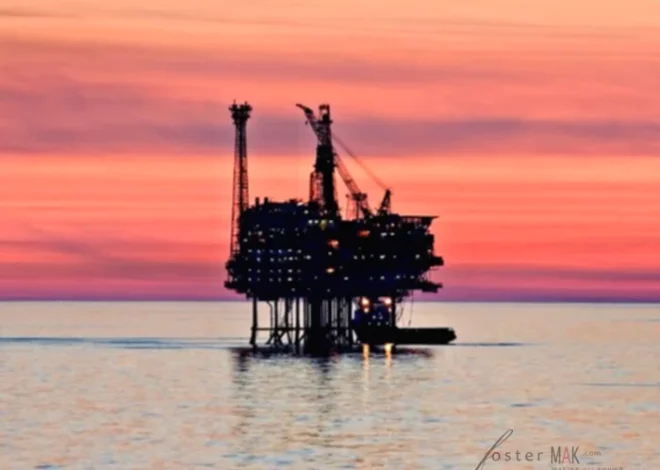
Trumps assault on the environment was also evident in his administration’s fervent support for fossil fuel industries. From approving new pipelines to opening up previously protected lands for oil and gas drilling, Trump sought to expand domestic energy production. The administration’s
energy dominance
agenda prioritized fossil fuels over renewable energy sources, leading to increased exploration and extraction activities.
One notable decision was the approval of the controversial Keystone XL and Dakota Access pipelines. These projects had faced significant opposition from environmentalists and indigenous groups concerned about the risks of oil spills and the infringement on sacred lands. Despite widespread protests, the Trump administration pressed forward with these projects citing economic benefits and job creation.
In addition to pipeline approvals, the Trump administration also opened up vast areas of public lands for oil and gas leasing. This included parts of the Arctic National Wildlife Refuge in Alaska, a pristine wilderness area that had been off-limits to drilling for decades. The move was met with fierce opposition from environmental organizations and indigenous communities who argued that it threatened fragile ecosystems and wildlife habitats.
Trumps Assault on the Environment Faces Legal Challenges
Many of the Trump administration’s environmental policies faced legal challenges from states, environmental groups, and advocacy organizations. These lawsuits argued that the rollbacks violated federal laws and endangered public health and the environment. Courts often sided with the plaintiffs, blocking or delaying the implementation of several controversial policies.
One high-profile case involved the rollback of the Clean Water Rule, which expanded federal protections for small streams and wetlands. Several states and environmental groups sued the administration, contending that the new rule would leave millions of acres of waterways vulnerable to pollution. Federal judges in multiple states issued injunctions preventing the rule from taking effect, highlighting the legal obstacles faced by the Trump administration in its efforts to reshape environmental policy.
Public Response and Environmental Advocacy
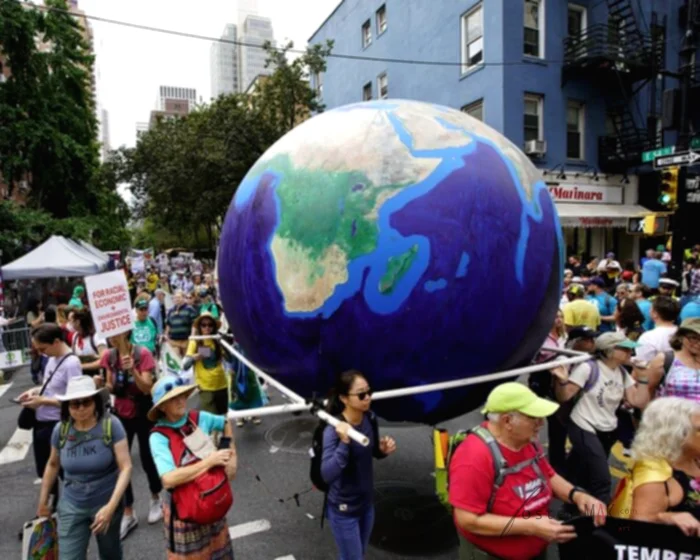
Trumps assault on the environment prompted a surge in activism and advocacy. Environmental organizations mobilized to challenge the administration’s policies and raise awareness about the potential impacts on climate change and public health. Grassroots movements, such as the Youth Climate Strikes and the Sunrise Movement, gained momentum as they called for urgent action to address the climate crisis and transition to renewable energy.
Public opinion polls indicated widespread concern about the administration’s environmental policies. Many Americans expressed support for stronger environmental protections and greater efforts to combat climate change. This public sentiment was reflected in the 2020 presidential election, where environmental issues played a significant role in shaping the political landscape.
Trumps Assault on the Environment: A Legacy in Question
As the Biden administration took office in January 2021, it faced the daunting task of reversing many of the environmental rollbacks implemented by the Trump administration. President Biden pledged to rejoin the Paris Agreement, strengthen emissions standards, and invest in clean energy technologies. These efforts aimed to restore the United States’ commitment to environmental stewardship and address the pressing challenges posed by climate change.
However, the legacy of Trumps assault on the environment remains a topic of debate. Supporters argue that the administration’s policies were necessary to promote economic growth and reduce regulatory burdens. Opponents contend that these actions have set back progress on environmental protection and endangered the planet for future generations.
As the world grapples with the escalating impacts of climate change, the decisions made during the Trump administration continue to influence the trajectory of environmental policy in the United States. The challenges of balancing economic interests with environmental sustainability remain at the forefront of national and global discussions.